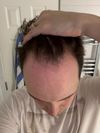
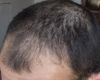
18M experiencing hair loss, using finasteride and considering hair transplant. Replies suggest waiting, giving finasteride a year, and consulting a specialist.
OP is planning a hair transplant but has gyno surgery scheduled next month. It's recommended to wait 4-6 weeks after the gyno surgery before proceeding with the hair transplant.
The conversation discusses preventing infection from derma stamping for hair loss treatment, with suggestions to reduce needle depth and consider alternatives like tretinoin. The user experienced irritation possibly from zinc chloride and stopped using the shampoo and derma stamping.
The conversation is about using microneedling for hair loss treatment, including questions on disinfection and post-treatment care. The user mentions using oral minoxidil and finasteride, and considering dutasteride.
Adding a daily scalp massage with an acupressure device before applying minoxidil can enhance its effects by improving blood circulation, with no side effects. Users are advised to continue microneedling weekly and consider using a derma stamp to avoid scarring.
Balding is challenging, and relying on medications like finasteride is often seen as a better option than constantly shaving or trying to compensate in other areas. Many feel that societal expectations to "own it" or drastically change oneself to cope with baldness are unrealistic and burdensome.
A user is seeking advice on increasing graft survivability after a hair transplant, mentioning PRP, Mesotherapy, Stem Cell injections, and considering L-Arginine before starting Minoxidil. They are looking for ways to support blood flow before applying Minoxidil.
The person is considering shaving their head due to hair loss but is unsure about the decision and concerned about potential regret. They are not interested in medication due to side effects and cannot afford a transplant, seeking advice and personal experiences.
A 27-year-old shared progress 6 months after a hair transplant of 4500 grafts, using finasteride and minoxidil. The procedure was done at Vera Clinic in Istanbul, costing 3000 Euros, and the user is pleased with the results.
The treatment for androgenetic alopecia involves using finasteride and minoxidil with intense exercise and cold exposure to boost metabolism and reduce androgenic effects, potentially leading to hair regrowth. This approach may activate biological pathways for improved hair and overall health.
The individual is struggling with hair loss and depression, having tried treatments like Finasteride, Dutasteride, and Minoxidil, but faced side effects and limited success. They are considering a hair transplant and other options while dealing with personal challenges, including knee injuries and weight issues, and are encouraged by others to focus on self-improvement and acceptance.
A 25-year-old male experienced significant hair loss due to telogen effluvium and androgenetic alopecia. He began using finasteride, minoxidil, and vitamins, seeing some regrowth but remains worried about hair density.
A 46-year-old man is using minoxidil, finasteride, and derma rolling for hair regrowth but is unsure of the results and considering a hair transplant. Many suggest he looks good bald and recommend continuing treatment or trying scalp micropigmentation.
A 19-year-old is seeking advice on reversing hair loss without a transplant, currently using oral finasteride and topical minoxidil. A suggestion was made to switch to dutasteride and use a stronger minoxidil, with the addition of a topical anti-androgen after three months.
A new hair cloning breakthrough suggests a potential cure for hair loss, though skepticism remains about its availability and cost. Users discuss the possibility of unlimited hair grafts for transplants and express hope for future developments.
A 24-year-old is seeking advice on whether to get a hair transplant now or wait until age 25, and is asking for clinic recommendations in Puglia, Brindisi, Albania, Türkiye, or Naples.
The conversation discusses the use of autologous exosomes for hair loss, questioning their effectiveness and seeking real user experiences. The user is skeptical about the treatment's legitimacy and is looking for honest feedback on its results.
The user experienced severe scalp itching and hair loss while on dutasteride, which they linked to caffeine and masturbation. They plan to cut out both to see if their hair density improves.
The insecurity people feel when going to the barber for a haircut due to visible hair loss. Replies include encouragement, advice such as looking for more understanding barbers and female hairdressers, as well as suggestions of trying at-home haircuts or using treatments like minoxidil, finasteride, and RU58841.
Intense microneedling with heavy pressure and bleeding did not improve hair growth after 4 months. The user advises against this method, noting no benefits and potential harm, and mentions using minoxidil without success.
A 22-year-old has been using topical finasteride and minoxidil with microneedling for hair loss, considering switching to oral finasteride or dutasteride due to slowed progress. Recent changes in application technique and increased microneedling frequency seem to have led to noticeable hair regrowth, prompting reconsideration of switching treatments.
Hair loss treatments for female pattern baldness, with the user focusing on wigs as an effective solution; they also discussed the difference between cheap and real wigs, and the importance of returning to confidence and self-esteem when tackling alopecia.
User tries dermapen for hair loss and plans to use non-mainstream topicals like c60, ghk-cu, and ptd-dbm with valproic acid. They also use a head massager and modified LLLT belt for additional treatment.
The user has seen great results from microneedling but is worried it might lead to faster balding without medication. They are considering adding Finasteride or Dutasteride to their routine to address underlying DHT issues.
A user's experience with microneedling monotherapy and potential treatments such as finasteride, minoxidil, Stemoxydine, rosemary oil, peppermint oil, and RU58841 for reversing hair loss.