Search
for
Sort by
Community Join
870-900 / 1000+ resultscommunity what could cause seemingly endless shedding while on Fin?
The user is experiencing continuous hair shedding after starting finasteride and is considering switching to dutasteride or adding minoxidil. They are seeking advice on whether the shedding is normal or if it could be due to other factors like telogen effluvium.
community Finally jumped on Fin after decent regrowth using all natural regime (mechanical stimulation)
The user experienced good hair regrowth using natural methods and mechanical stimulation but decided to add finasteride to their regimen for better results. They are optimistic about further regrowth and plan to update on the effects of finasteride, noting no significant side effects so far.
community Consistency finally paying off. Microneedling progress
community Oral min and Isotretinoin (accutane) to respond
Oral minoxidil combined with isotretinoin may improve hair loss treatment effectiveness. Tretinoin is known to increase the absorption of topical minoxidil.
community Caffeine Shampoo Shed? (Alpecin)
community I wanted to share this micro-needling study with you guys, it cites multiple studies and goes pretty in-depth and shows promising results for those who do it.
community New Hair Loss Cure: AMP-303 Is Back. It’s what PP405 should have been.
AMP-303 and AMP-601 are new hair loss treatments targeting dermal papilla cells, with AMP-303 showing early efficacy in transitioning vellus hairs to terminal hairs after one injection. Further clinical trials are planned, and these treatments are seen as promising due to their biologic approach and less frequent application compared to daily treatments.
community My 1 year crown transformation (2nd hair transplant)
A user shared their 1-year crown transformation after a second hair transplant with 4000 grafts, using finasteride, minoxidil, and vitamins. Another user commented that while the crown has filled in, they expected more coverage from 4000 grafts and suggested a possible shedding phase.
community DLQ01: A Better "Minoxidil" PGF2a synthetic analogue.
DLQ01, a prostaglandin F2α analog, shows promise for hair growth by directly stimulating PGE2/PGF receptors without needing conversion, and can be combined with minoxidil and retinoids like tretinoin for enhanced effectiveness. Minoxidil's efficacy may be reduced by COX-1 inhibitors, but using prostaglandin analogs like Latanoprost or Bimatoprost can help maintain its effectiveness.
community Rejux-3x - the copper peptide combo that tressless overlooks.
Rejuv-3X, a topical blend with GHK-Cu, AHK-Cu, and JXL-089, is used for hair loss, offering a targeted option without finasteride's side effects. The user plans to combine it with microneedling for enhanced results.
community From month 1 to month 2. Min,fin,RU,micro needling, and keto.
User experienced hair regrowth using Min, Fin, RU, micro needling, and keto. Others encouraged consistency and shared excitement for future progress.
community 3-month intense regrowth after accidentally slowing down fin/topical min and losing all gains
The user experienced significant hair regrowth by returning to a regimen of 1mg oral finasteride daily and daily topical minoxidil after previously reducing their doses. They also emphasize maintaining energy and health through diet, exercise, and supplements.
community The case of a 78 year old man who accidentally regrew his hair (published in the British Medical Journal)
A 78-year-old man regrew hair after suffering burns, suggesting that injury-induced healing processes might trigger hair growth. Microneedling and other treatments like minoxidil and finasteride are discussed as potential methods to stimulate similar regrowth.
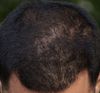
community Weird Hair Loss Pattern – Worth a Biopsy?
The user is experiencing a strange hair loss pattern despite using dutasteride for 3 years and minoxidil with tretinoin for 1.5 years. They recently added microneedling and are considering a scalp biopsy to understand the cause.
community regrowth afrer shed on dutasteride?
User experienced hair loss after starting dutasteride, but saw regrowth with finasteride. They wonder if dutasteride can cause initial shedding but eventually lead to hair regrowth.
community My transplant review - for anyone who wants to know how it works
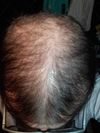
community 30M Experiencing Shedding After Restarting Min + Fin + Mesotherapy, Is It Too Late?
A 30-year-old is seeking advice on hair loss treatment, currently using oral minoxidil, finasteride, mesotherapy, and a supplement. They are experiencing shedding and are anxious about the effectiveness of the treatment, asking if they should continue or consider other options like topicals or microneedling.
community Hormone test results - anybody else have similar with fin/dut
community My 4100 grafts hair transplant surgery update
community AttentionHomemade Topical Fin Users- requesting Feedback
A user is seeking feedback on a homemade topical finasteride formula for hair loss, consisting of 7.5 mg of finasteride, propylene glycol, ethanol, and distilled water. They aim to achieve a 0.0125% solution by applying 2 ml daily.
community PP405 gets its generic name - Suvomipic
community Update on the ol' crown (oral min/fin)
Using 2.5mg oral minoxidil and 1mg oral finasteride daily leads to significant hair regrowth without side effects, especially at the crown. Consistency is crucial, and some users consider additional methods like derma rolling.
community From basically bald to brushing, showering, swimming, and sleeping on it like real hair
A user shared their experience with a hair restoration method involving adding individual human hairs on ultra-fine strands between existing hair, allowing for natural movement and appearance without blocking the scalp. They also continue using rosemary oil and gentle massage for basic growth support.
community Kintors interim report from 9-2-24 for everyone whos interested
Kintor plans to release pyrilutamide foam and a plant-based Koshine by year-end, with GT20029 progressing in their pipeline. Users are pleased about the absence of propylene glycol (PG) in the new products.
community 1 year! 1mg fin/topical min, currently adding dut 👍
The user achieved impressive hair regrowth using 1mg finasteride and topical minoxidil, and is now adding dutasteride due to recent diffuse thinning. They experienced initial side effects with finasteride but no longer have issues.
community Attacking DHT synergistically both locally at the scalp and systemically = Greater Success??
The user has been using oral Dutasteride, RU58841, and Minoxidil for three years without success and is considering adding topical Finasteride or Dutasteride to target DHT both locally and systemically. Other users suggest sticking to a consistent treatment plan, exploring different combinations, and considering other factors like potential misdiagnosis or inconsistent medication use.
community dht becoming active since the scalp is tight en cause inflammation
User discusses tight scalp causing hair loss and suggests treatments like scalp massages, PRP, saw palmetto, and eucapil. They share their experience with saw palmetto and eucapil and consider adding PRP and scalp massages for better results.
community Oral Minoxidil stopped my growth?
The user switched from topical to oral Minoxidil and is experiencing hair shedding without significant regrowth, despite using Finasteride and Dutasteride. They are considering whether their body isn't responding to oral Minoxidil and are exploring options like dermarolling.
community I have heard that Amplifica - Scube3 initiate a human study for AGA, but I cannot find any information about it from clinictrial.gov. Amplifica did not state it is a phase 1 clinic trial or not, it says it is "The initiation of our first-in-human clinical study"
The conversation is about a user seeking information on a clinical trial by Amplifica - Scube3 for Androgenetic Alopecia (AGA). The user is unsure if it's a formal phase 1 study.