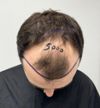
The hair transplant has a straight, unnatural-looking hairline that many find unappealing. The person is not using finasteride or minoxidil, which may affect future hair retention.
Exploring the idea of transplanting miniaturized hair follicles to healthier areas to potentially reverse hair loss, with concerns about DHT sensitivity and scar tissue formation. The conversation also humorously considers using mice for hair growth experiments.
A user shared their 7-month progress after a hair transplant, using dutasteride and minoxidil to maintain native hair. The transplant was done in Juarez, Mexico, and the user noted that medication is still necessary to prevent further hair loss.
A user shared impressive progress at 4 months post-hair transplant with 5120 grafts by Dr. Ahmet Yildirim in Istanbul. The user expressed satisfaction with the results, which exceeded expectations.
A user shared a 5-month update on their hair transplant, praising the natural results and the surgeon in Patna, India. They mentioned using 2000 grafts at a cost of 90,000 INR and discussed the importance of taking finasteride or dutasteride to maintain the transplanted hair.
A 42-year-old had 2,100 grafts transplanted to the frontal third of the scalp, using treatments like Dutasteride, oral Minoxidil, ketoconazole shampoo, dermarolling, and PRP. They plan to add RU58841 and have scheduled SMP to improve cosmetic results.
Six months after a 4000 graft hair transplant, the individual has seen little to no results. They are currently using finasteride, minoxidil, ketoconazole, and biotin but not microneedling. The advice given is to wait another 2-6 months as full results can take up to a year, and to consider the possibility of shock loss.
The user experienced hair loss after a hair transplant and stopped using finasteride and minoxidil temporarily, as advised by their medical team. They resumed the treatments and are hopeful for regrowth, attributing the current hair loss to shock loss and shedding.
A 27-year-old actor shared his positive experience with two hair transplant surgeries, highlighting the importance of customization and detail for a natural look. He is taking finasteride to prevent future hair loss.
USER19 shared progress pictures 1.5 years after a hair transplant of 4180 grafts by Dr. Ahmet Yildirim, with no medications used. New hair growth started after the 3rd month.
The conversation discusses FUE hair transplant surgery, including questions about donor area recovery, success rates, precautions, hair growth rate, and the safety of PRP injections. It also inquires about using hairpieces post-surgery.
Getting a hair transplant without using finasteride or dutasteride for at least two years can waste donor hair, as these medications can lead to significant hair regrowth in areas like the crown and mid-scalp. Delaying a transplant allows for better results by maximizing natural regrowth and preserving donor hair for more needed areas.
A user shared a 12-month update on their hair transplant, which involved 5700 DHI grafts and cost £4500 at Cosmedica. They also dyed their hair and beard, and users praised the impressive results, suggesting finasteride or dutasteride to prevent further hair loss.
A 22-year-old is experiencing aggressive hair loss despite using minoxidil and finasteride and is considering a hair transplant but lacks funds. The discussion includes advice on treatments like dutasteride, microneedling, and lifestyle changes, with mixed opinions on the timing and effectiveness of a transplant at a young age.
The user had a hair transplant with 2,000 grafts in 2017, and after four and a half months of using finasteride, minoxidil, derma rolling, and Boton shampoo, they are seeing hair regrowth including the return of their widow's peak. They are considering switching to RU58841 and a deeper derma rolling treatment.
A user is concerned about low hair density 12 months after a hair transplant and is not using finasteride or minoxidil, only taking biotin. They are seeking advice on whether this is normal, if starting medication now would help, and when to consider a second procedure.
A 20-year-old is using minoxidil, finasteride, tretinoin cream, and microneedling for hair loss but sees no improvement in the crown area and is considering a hair transplant. Users advise patience with finasteride and suggest trying a low-dose oral minoxidil if no progress is seen.
A 27-year-old using minoxidil and dutasteride for hair loss has seen significant improvement but is considering a hair transplant for a more defined hairline. Most responses suggest the hair looks good, advise against a transplant, and recommend patience or trying microneedling or tretinoin.
A user shared progress pictures 7.5 months after a hair transplant of 6350 grafts in Turkey, using 6% minoxidil and 0.05% finasteride. They are satisfied with the results but note some thin areas.
A user is seeking advice on increasing graft survivability after a hair transplant, mentioning PRP, Mesotherapy, Stem Cell injections, and considering L-Arginine before starting Minoxidil. They are looking for ways to support blood flow before applying Minoxidil.
The user is dissatisfied with their hair transplant results from Asli Tarcan, citing poor donor area management and insufficient graft density. They advise against opting for cheaper procedures and express hope for future hair cloning solutions.
The conversation is about hair transplants and the perception that they often look unnatural, especially in the first few rows of hair. There is a debate about whether it's better to choose a cheaper clinic in Turkey or a more expensive one in the USA, with some arguing that experience and skill matter more than cost.
The post and conversation are about hair transplant tips and experiences. The user emphasizes thorough planning, essential packing, and post-surgery care, and regrets not using finasteride earlier.
Temporal peaks are crucial for a natural-looking hair transplant, but they are challenging to achieve due to the need for precise angles and appropriate hair thickness. Many users emphasize the importance of finding a skilled surgeon and using finasteride to maintain hairline stability.
User got a hair transplant and it improved their life. Transplanted hair lasts, but medication like finasteride is needed to maintain non-transplanted hair.
A person had a hair transplant using FUE with 4150 grafts after a previous FUT with 2000 grafts and is now using Dutasteride and oral Minoxidil. They are concerned about hair gaps on the side, questioning if they are a result of the transplant and if they are temporary.
The user is unhappy with the results of their second hair transplant, feeling that grafts were wasted on an already transplanted hairline instead of increasing mid-scalp density. They regret stopping medications like Dutasteride, Minoxidil, and RU58841, which led to significant hair loss, and plan to restart them.
Before getting a hair transplant, it's crucial to research and understand that ongoing treatments like finasteride, dutasteride, or minoxidil are necessary to maintain results. Concerns were raised about Turkish clinics, including overharvesting grafts, lack of regulations, and discouraging finasteride use.
A user shared their 9-month post-hair transplant results with 4600 grafts, using only Nourkin hair vitamins, Vitamin D, and B12, and expressed satisfaction. The replies debated the necessity of medications like finasteride and minoxidil for maintaining hair health.
A user underwent a 5000 graft hair transplant in Istanbul, which included 900 beard grafts, after previously using finasteride with limited success. The procedure cost £4500, including transport and aftercare in both Istanbul and the UK.