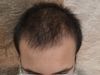
The user is considering using dutasteride or finasteride for hair loss and has recurrent folliculitis. Another user suggests treating the folliculitis and notes diffuse thinning.
Hair loss treatments include finasteride, minoxidil, microneedling, dutasteride, CB-03-01, RU-58841, and experimental options like KY-19382 and stem cell therapy. Some treatments are considered ineffective or risky, such as ketoconazole, PRP, and low-level laser therapy.
A 16-year-old female experiencing severe hair loss and sebum buildup, likely due to telogen effluvium and PCOS, is currently using vitamin D3 supplements, Redenser serum, and T follihair supplements. Recommendations include addressing PCOS first and consulting a doctor.
The user underwent a biopsy two years ago and was diagnosed with keratosis pilaris, leading to hair issues. They tried treatments including Minoxidil, betamethasone, lymecycline, topical Accutane, and dutasteride, as well as diet changes, without improvement in hair thickness or skin dryness.
An 18-year-old noticed hair thinning at 17, started finasteride 5 months ago, and saw shedding stop but no regrowth. They suspect male pattern baldness due to family history and are concerned about thinning on the back and sides, possibly due to inflammation.
The conversation discusses hair loss treatments, including oral finasteride, topical minoxidil, and microneedling, and the potential impact of Vitamin D and folic acid deficiencies on hair regrowth. It suggests that while male pattern baldness is the primary cause, addressing vitamin deficiencies may aid in improving regrowth.
OP is experiencing significant hair loss despite GFC and PRP treatments and has abnormal lab results. They are advised to consult a hair-focused dermatologist for further evaluation.
The conversation is about potential causes of hair loss and treatments, including topical and oral minoxidil, finasteride, and dutasteride, with a focus on checking for vitamin deficiencies and conditions like Lichen Planopolaris. It also discusses the skepticism around certain tests and the success of hair transplants.
A user with long-term hair loss has been using topical minoxidil, finasteride, RU58841, ketoconazole, and dermastamping for 8 months. They are unsure if the new hairs are miniaturized or vellus.
The user is experiencing ongoing hair loss despite using a comprehensive treatment regimen including dutasteride, oral minoxidil, cyproterone acetate, transdermal estradiol, and topical bicalutamide. They suspect cyproterone acetate may be worsening their hair loss and are considering switching to injection monotherapy.
A South Korean company, Therazyne, has developed a promising hair loss treatment using a WNT chain surrogate that binds to Frizzled 7, with human follicle testing expected soon. Current treatments like minoxidil and finasteride are not seen as cures, and while optimism exists for future solutions like PP405, approval processes are lengthy.
A 20-year-old is experiencing hair loss and is using finasteride, ketoconazole, and topical minoxidil. They suspect retrograde alopecia due to hair loss on the sides and nape, despite noticing some hair thickening on top.
A user's 20 year journey with hair loss and the treatments they have used to manage it, including finasteride, minoxidil, a custom Strut Blend of Dutasteride, Minoxidil, Tretinoin, and Biotin, Nizoral shampoo, multivitamins, Vitamin D, B Complex, Dim, Clomid, exercise, diet, laser helmet, Toppik dark brown, and topical Finasteride. The user also talks about their successful life, lack of desire for children and high sperm count due to Clomid.
Hair loss discussion with a focus on a single resilient hair, jokingly called "chad hair," that remains despite hairline receding. Some users suggest microneedling and hairfollicle cloning as potential treatments.
A user named Mmherak is experiencing hair loss, with low B12 and iron deficiency, and has been recommended minoxidil and spironolactone by dermatologists. Other users suggest seborrheic dermatitis or dandruff, recommending treatments like Nizoral shampoo, ketoconazole, and Selsun Blue.
A user experienced hair loss due to a folic acid deficiency and saw hair regrowth after taking a folic acid supplement. They advise checking for a folic acid deficiency before spending money on other treatments.
A 21-year-old male has been experiencing persistent hair loss despite using treatments like dutasteride, finasteride, RU58841, minoxidil, and ketoconazole. Suggestions include checking for hormonal issues, nutritional deficiencies, or allergies, and consulting a doctor for professional advice.
A female, aged 17-18, is experiencing significant hair loss, feeling hopeless despite trying various treatments like leave-in conditioners, omega-3s, supplements, sulfate-free shampoo, and biotin. She is distressed as her hair continues to thin, affecting her body image and self-esteem.
A 23-year-old is experiencing hair that is thick at the ends but thin at the roots despite using minoxidil and finasteride for 10 months. They are concerned about whether this is normal or a sign of miniaturization and seek advice on reversing or improving the condition.
A person in their 20s is struggling with hair loss, using treatments like minoxidil and finasteride. Suggestions include self-improvement, therapy, hair transplants, and focusing on acceptance and confidence.
Hair loss without a white bulb may indicate mechanical damage, anagen effluvium, alopecia areata, or traction alopecia. Seeking a specialist is recommended, but access can be difficult in smaller areas.
Hair loss from seborrheic dermatitis can be temporary. Treatments discussed include Minoxidil, finasteride, and RU58841, along with collagen and biotin supplements.
A trans woman is using finasteride, minoxidil, microneedling, and HRT to address hair loss, with noticeable improvement in hairline shape and presence of vellus hairs. She is considering hair transplants if these treatments don't yield desired results within a year or two.
The user has been using dutasteride, lymecycline, betamethasone, and minoxidil for hair loss but struggles with eczema and dry skin. They feel hopeless as no treatments or moisturizers have helped, and they are concerned about their appearance due to their soft facial features.
A 19-year-old is experiencing hair loss and shedding despite using Dutasteride and topical Minoxidil for six months. They are concerned about potential infections like folliculitis and are considering stopping the treatments due to stress and hair loss from various areas, including eyebrows and eyelids.
The user has been experiencing hair loss for years, tried ketoconazole shampoo without success, and has been on finasteride for 3 months but is unsure if it's working. A reply suggests waiting 6-12 months to properly assess finasteride's effectiveness.
A user proposed genetically engineering scalp stem cells to stop androgen receptors from causing hair loss. Others discussed the feasibility, existing research, and potential issues with this approach, including targeting the correct cells and unintended effects.
The conversation discusses using herbal oils, scalp massage, and dietary changes for hair loss prevention, with some success in regrowing baby hairs. Treatments mentioned include peppermint oil, cinnamon oil, castor oil, and RU58841.
The conversation is about various hair loss treatments, including finasteride, minoxidil, RU58841, and natural supplements like saw palmetto and pumpkin seed oil. It also covers methods to improve blood circulation, nourish hairfollicles, and address underlying health issues like vitamin D deficiency and high cortisol levels.