The conversation discusses natural ways to reduce cortisol, such as avoiding caffeine, getting proper sleep, syncing with the sun, walking in nature, breathing exercises, increasing calories, and not doing keto. Magnesium supplements are recommended for stress reduction.
Minoxidil gains are typically lost after stopping its use, but some suggest finasteride or dutasteride might help retain them, though results vary. Microneedling and low-level laser therapy are mentioned as alternative treatments, but minoxidil is noted for having a more significant impact.
Switching from finasteride to dutasteride can cause initial shedding, but many see long-term hair regrowth and stabilization. Responses vary, with some experiencing fewer side effects and others finding it less effective.
Hair loss treatments like Minoxidil, finasteride, and RU58841, focusing on their effectiveness and side effects. It also highlights the disparity in medical research funding between hair loss and conditions like endometriosis.
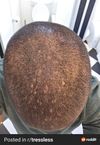
The user noticed small circular hairless spots after a buzz cut and has been using finasteride, dutasteride, and oral minoxidil for hair loss. They are experiencing continuous shedding and thinning, and it is suggested they consult a dermatologist for a scalp examination and possible biopsy to determine if it's alopecia areata or androgenetic alopecia.
The conversation is about long-term finasteride use for hair loss, with users discussing periods of improvement and worsening, and considering switching to dutasteride. Other treatments mentioned include minoxidil, red light therapy, microneedling, and scalp massaging.
Dermatologists often advise against at-home microneedling due to risks of scarring, infection, and improper technique. Professional guidance is recommended for safe and effective use, with some users reporting positive results when done correctly.
Minoxidil foam and oral finasteride resulted in significant hair regrowth, especially on the hairline, with no side effects from finasteride. The user applied Rogaine 5% for minoxidil.
People discussed starting hair loss treatments like finasteride, dutasteride, and minoxidil due to personal experiences or comments about their hair loss. Some reported positive results, while others mentioned side effects or switching treatments.
A 25-year-old is using a combination of oral minoxidil, finasteride, RU58841, and topical dutasteride mixed with minoxidil to combat hair loss and hopes to see regrowth. They plan to update on the effectiveness of this regimen in a few months.
The user experienced hair loss since 2019 and tried finasteride, dutasteride, RU58841, and ketoconazole shampoo without success. A scalp biopsy showed scarring and inflammation from folliculitis, indicating chronic inflammation was affecting treatment effectiveness.
The user has been using finasteride for over a year without improvement and recently started oral minoxidil. Suggestions include trying dutasteride and continuing minoxidil for potential regrowth.
The conversation discusses hair loss treatments for a 30-year-old female, comparing red light therapy with minoxidil and finasteride. Concerns about hormonal impact and potential pregnancy are raised, with suggestions to consider spironolactone and microneedling, while emphasizing the importance of consulting a dermatologist.
A user is seeking affordable hair vitamins without biotin, already taking zinc and D3+K2, and has been dealing with chronic telogen effluvium since 2013. They previously used Nutrafol Vegan but found it too expensive.
A user is concerned that finasteride isn't working for their hair loss, questioning if it's due to male pattern baldness or low iron levels. They are advised to take finasteride daily and get blood work done.
A user on dutasteride and oral minoxidil for two years has experienced worsening hair loss and an itchy scalp. Suggestions include increasing medication doses, trying other treatments like RU58841, getting a scalp biopsy, and addressing potential inflammation through diet and topical treatments.
A user with seborrheic dermatitis is experiencing bald spots and hair thinning despite changing their diet and taking oral minoxidil. Another user suggests using ketoconazole shampoo properly, using a scalp massager, applying rosemary/peppermint oil, keeping hair short, and taking fish oil to improve scalp health.
The individual has experienced a sore, stiff, and itchy scalp with hair loss for 4.5 years, and has noticed increased thinning and miniaturized hairs, especially at the temples. They have tried ketoconazole shampoo without success and are considering finasteride for treatment.
The user visited three dermatologists for hair loss treatment and was disappointed with their lack of thorough examination and discussion. Treatments prescribed included minoxidil, finasteride, multivitamins, ketoconazole shampoo, vitamin D3, and biotin, but the user was dissatisfied with the approach and lack of consideration for newer treatments.
The user experienced hair loss due to a crash diet and later developed scarring hair loss. They are now on finasteride, oral minoxidil, LDN, Zyrtec, and Oztela to reduce scalp inflammation and promote hair regrowth.
A user on dutasteride and oral minoxidil for two years reports worsening hair loss and is seeking advice. Suggestions include consulting a professional for underlying causes, acknowledging that treatments don't work for everyone, and considering dosage adjustments or additional treatments.
A user shared a 4-month update on their hair regrowth progress using finasteride, minoxidil, a dermaroller, ketoconazole shampoo, multivitamins, and biotin, and received positive reactions and inquiries from others. They also mentioned lifestyle changes such as quitting creatine, alcohol, and smoking, which may have contributed to their success.
User has been on Fin for 6 years and shares 4 years of progress pictures, noticing less dense and itchy hair. Replies suggest visiting a dermatologist, considering Dutasteride and Minoxidil, checking bloodwork, and evaluating lifestyle factors.
A user's transformation from an accountant to a spartan with a full beard, discussing the potential of DUPA and alopecia areata, as well as treatments like vitamins, topicals, and natural treatments for potential regrowth.
Hair loss's social impact, focusing on Will Smith defending Jada Pinkett Smith's alopecia. The conversation highlights double standards between men and women experiencing hair loss and emphasizes empathy.
Feeding bacteria-free mice with Lactobacillus murinus worsened hair loss, but a regular diet with biotin stopped it. The conversation suggests gut bacteria and diet may influence hair loss, with some skepticism and discussion about other factors like DHT and genetics.
Dermarolling has potential for hair regrowth and is being used alongside minoxidil and a rosemary oil/castor oil mix. Users discuss its effectiveness and the need for more research.