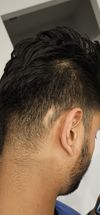
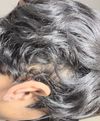
The conversation discusses hair loss treatments, specifically mentioning Minoxidil, finasteride, and RU58841. It also references Epibiotech's hair multiplication and cell therapy as potential solutions.
Corticosterone inhibits GAS6, affecting hair follicle stem-cell activity, with potential implications for stress-related hair loss. Ashwagandha and Vitamin K are suggested for reducing cortisol, but their effectiveness is debated.
Vitamin D deficiency is linked to hair loss, and supplementation with vitamin D can improve conditions like androgenic alopecia and telogen effluvium. Users discussed various dosages of vitamin D, emphasizing the importance of getting blood tests to determine the appropriate amount.
The conversation humorously discusses the fictional "Post PP405 Syndrome" and the idea of starting a foundation or cult around it. It mentions skepticism about the effectiveness of PP405 and jokes about future therapies.
PP405 is discussed as a potential treatment for hair loss, with excitement about its promise but skepticism about its current effectiveness. Users mention combining it with treatments like minoxidil, finasteride, and microneedling, but emphasize it is not a cure.
User experienced hair loss after surgery and was diagnosed with TE. The doctor recommended PRP therapy, Finasteride, Anatrix pro Hair Serum, a multivitamin, and a lotion and shampoo containing Zinc Pyrithione.
ET-02, a new hair loss treatment, shows promising results with a 6-fold increase in hair count, potentially outperforming minoxidil by activating stem cells in hair follicles. Further trials are ongoing to confirm its efficacy and safety, with potential market release in the future.
Avixis Alfatradiol is a topical 5-alpha reductase inhibitor available in Latin America and Germany, but its effectiveness is questioned. A user reported worsened hair loss after using it and recommended finasteride instead due to its proven effectiveness and lower cost.
The hair transplant at Eugenix in New Delhi resulted in poor density and texture, with only about 2,500 grafts surviving out of 4,500. The user is considering holding the clinic accountable and exploring options like shaving, using hair fibers, or seeking another transplant.
A user shared their positive experience with a hair transplant at Eugenix in India, noting the professionalism and natural results. They mentioned using 2815 grafts and discussed the clinic's controversial name, but did not mention using specific treatments like Minoxidil or finasteride.
The discussion is about using ASCEplus HRLB exosomes for hair loss treatment, which combines 10 billion exosomes with growth factors, nutrients, biotin, and copper tripeptide. The treatment is expensive and typically administered via scalp injections, but in Europe, it's done with microneedling.
The conversation discusses a hair loss and scalp care routine involving ciclopirox shampoo, benzoyl peroxide, clindamycin gel, clobetasol propionate, and calcipotriol to manage seborrheic dermatitis, folliculitis, and inflammation. It also touches on the role of diet and other treatments like oral minoxidil and pioglitazone for scalp health.
The user visited a trichologist due to ineffective topical finasteride treatment for hair loss. The trichologist recommended a new regimen including a two-month course of locoidon (cortisone 0.1%), followed by a solution containing minoxidil, hydrocortisone butirrate, estrone, progesterone, tocopherol acetate, trichosol, and transcutol.
The post discusses using a combination of Dutasteride, Minoxidil, Ketoconazole, Estradiol, and Spironolactone for hair regrowth. Users suggest it needs more time and possibly a transplant, with some sharing personal experiences and side effects of similar treatments.
The post discusses a hair loss treatment regimen using saw palmetto, pumpkin seed oil extract, EGCG (green tea) extract, grape seed oil extract, rosemary oil extract, and Zix. The user plans to use these DHT-blockers and 5AR inhibitors for six months and report the results.
A 26-year-old male with high testosterone is experiencing diffuse hair thinning despite using a comprehensive treatment regimen including dutasteride, oral minoxidil, RU58841, ketoconazole shampoo, microneedling, and low-level laser therapy. Suggestions include adjusting dutasteride dosage, monitoring iron levels, and consulting a dermatologist for further evaluation.
The user experienced side effects from ecklonia cava similar to those reported with finasteride, including depression, brain fog, anxiety, and testicular pain. Despite these issues, the user is still considering using topical finasteride in the future.
The user is seeking advice on a hair loss treatment called Ell Cranell, which contains Alfatradiol. Another user shared information from a study stating that Alfatradiol only slows down or stabilizes hair loss, but does not increase hair density or thickness.
The user experienced hair shedding after increasing minoxidil from 5% to 7% with latanoprost, possibly causing telogen effluvium. They are on HRT with Lupron, Estradiol, and Raloxifene, and are concerned about the shedding's duration.
A new hair loss treatment, PP405, showed promising Phase 2a results with 31% of patients experiencing over 20% hair density increase without systemic absorption, avoiding hormonal side effects. The treatment is expected to be expensive, with Phase 3 trials starting mid-2026, and there is skepticism about the data's strength.
A user shared their successful hair regrowth journey using oral minoxidil, dutasteride, and eucapil, with additional benefits from MTF hormone replacement therapy. They advised consulting specialists and considering individual responses to treatments.
Treatments for hair loss, focusing on Fluridil/Topilutamide (Eucapil), Finasteride and RU58841 (Alfatradiol). The user reported that the Fluridil seemed to work well but had side effects of testicle ache, decreased mood and sex drive.
User discusses Alfatradiol (17a-Estradiol) as a potential hair loss treatment with mixed results. Concerns include low dosage, receptor theory, and possible increased aromatase activity on scalp.
Cyproterone Acetate stopped hair loss and led to regrowth on the temples for a transgender individual, which is considered a good sign. Unlike Minoxidil and Finasteride, which can cause initial shedding, Cyproterone did not cause shedding.
The conversation discusses managing seborrheic dermatitis (sebderm) and male pattern baldness (MPB) with treatments like finasteride, coal tar shampoo, Nizoral, and oral minoxidil. Users suggest dietary changes, regular shampooing, and using antifungal products to control sebderm before considering minoxidil.
PP405, a topical treatment, shows promise for hair growth by activating inactive follicles, with 66% of participants experiencing positive results. The treatment is well-tolerated and may proceed directly to Phase 3 trials, offering a potential alternative to minoxidil and finasteride.
Despite using dutasteride, RU58841, minoxidil, and ketoconazole for years, the user continues to experience severe hair loss and thinning. They seek advice after multiple dermatologists confirmed androgenetic alopecia (AGA) but offered no effective solutions.
The user has tried various hair loss treatments including topical minoxidil, oral finasteride, oral dutasteride, oral minoxidil, and exosome therapy, but none have been effective. They suspect trichodynia might be preventing these treatments from working.