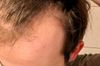
The user has been experiencing continuous hairloss despite using finasteride, minoxidil, and dermastamping. They are seeking advice on what to do next.
A 25-year-old female is experiencing hairloss and has tried PRP, Minoxidil 5% with Biotin, and weekly needling sessions. Her doctor suggested switching to GFC treatment and stopping the needling sessions due to increased shedding, which may be caused by Minoxidil.
DHT promotes beard growth but causes scalp hairloss due to inflammation and fibrosis. Treatments like finasteride and minoxidil help with hormonal signals and blood flow but don't address underlying inflammation.
GT20026 is discussed as a potential treatment for hairloss that targets androgen receptors without affecting hormone levels, but it may not promote significant regrowth. It is expected to be available by 2028, with other treatments like Breezula and Clascoterone also mentioned.
The user has been using topical minoxidil and finasteride for hairloss, with some regrowth at the temples but continued hairline thinning. The dermatologist suggested possible telogen effluvium due to stress and deficiencies, prescribed oral minoxidil, and may consider dutasteride if the condition doesn't improve by January 2026.
A man in his twenties experiencing hereditary hairloss has been using 5% Minoxidil, a derma roller, Vitamin D3, and recently started Finasteride. He has noticed baby hairs appearing, indicating some regrowth, and is advised to continue the treatment consistently for several months to potentially see significant results.
A 22-year-old is experiencing worsening hairloss despite using a doctor-prescribed serum and shampoo. They are seeking advice on additional treatments like Minoxidil, finasteride, or RU58841.
The user experienced hair thinning from chromium and alpha lipoic acid supplements, which stopped after discontinuing them. Someone mentioned this could be telogen effluvium, a temporary condition.
The user discusses their experience with diffuse unpatterned alopecia and acquired progressive hair kinkering, noting improvements with treatments including biotin, pantothenic acid, finasteride, ketoconazole, and zinc pyrithione shampoo. They report thicker, healthier hair and improved scalp condition, attributing success mainly to biotin, pantothenic acid, and finasteride.
User is experiencing severe hairloss despite using finasteride for 15 months, losing 500 hairs a day and 50% density since June. Minoxidil with needling was ineffective, and RU58841 is too expensive and hard to obtain.
A user shared a 9-month hair recovery journey from androgenic alopecia using 1 mg finasteride daily, 5% minoxidil twice daily, and weekly dermarolling with a 1.5 mm roller. Some responders were skeptical about the authenticity of the results, while others confirmed the consistency of the user's appearance and supported the effectiveness of the treatment.
A user shared their experience with hairloss treatments, including RU58841, ketoconazole shampoo, caffeine shampoo, and topical finasteride. They found RU58841 effective for diffuse thinning but experienced severe hairloss after stopping it; topical finasteride worked well for a receding hairline but caused side effects. They also use a charcoal shampoo and practice scalp massages.
The user stabilized hairloss with oral finasteride, dutasteride, and topical minoxidil, and underwent a stem cell and PRP procedure. Recent increased hair shedding may be due to restarting dermarolling, affecting minoxidil absorption, or the waning effects of the stem cell treatment.
A 20-year-old experiencing hairloss was diagnosed with androgenetic alopecia and prescribed finasteride, minoxidil, and multivitamin/zinc pills. They are considering starting finasteride and minoxidil daily to maintain their hair and stop further loss.
The conversation discusses hairloss causes beyond male pattern baldness, mentioning treatments like ketoconazole, zinc shampoo, and finasteride. Stress-related hairloss (telogen effluvium) is also suggested.
A 23-year-old discusses their hairloss treatment using finasteride, dutasteride, oral and topical minoxidil, and topical tretinoin under medical supervision. They stress stabilizing hairloss before a hair transplant and plan to continue the regimen for at least 18 months.
People with hairloss experience emotional struggles and body dysmorphia. Treatments like minoxidil, finasteride, and dutasteride are used, but results vary and can take time.
The user is using oral minoxidil, ghk-cu, and HGH for hair regrowth, noticing small vellus hairs on the crown. They avoid traditional DHT blockers like finasteride due to side effects, despite skepticism from others about the effectiveness of ghk-cu.
A user discusses their experience with hairloss, noting they don't notice shedding despite using finasteride, minoxidil, and tretinoin. Others share similar experiences, suggesting that shedding varies and may not occur for everyone using these treatments.
A 31-year-old who experienced severe hairloss during medical school tried various treatments, including topical and oral finasteride and minoxidil, but stopped due to side effects. They restarted treatment 10 months ago with a regimen including topical finasteride, minoxidil, retinoic acid, hydrocortisone, oral minoxidil, and light therapy, emphasizing the importance of consistency and skincare.
The user experienced significant hair regrowth using minoxidil, finasteride, and Nizoral shampoo, with initial shedding but eventual improvement. They plan to continue the treatment after regaining lost progress from stopping minoxidil.
Hairloss journey of a 24-year-old man who tried Finasteride, RU58841, Dutasteride, and Minoxidil. Significant hairline recovery achieved after 18 months of various treatments.
The user is treating hairloss with topical Minoxidil, Finasteride, RU58841, microneedling, and Ketoconazole. For grey hair, they use L-Cysteine, L-Methionine, and PABA, and have noticed some re-pigmentation.
A user started using oral minoxidil (2.5 mg) and dutasteride (1 mg) for hairloss three months ago and noticed no side effects, possibly due to regular exercise. They speculate a possible link between COVID-19 and accelerated hairloss.
A 19-year-old shares his hairloss experience and treatment routine, which includes 1mg finasteride daily, 2mg oral minoxidil daily, ketoconazole shampoo every 2 days, and a healthy lifestyle. He notes that oral minoxidil is showing better results than topical minoxidil.
The user shared their 11-year journey battling hairloss, highlighting the importance of consistent treatment and avoiding common mistakes. Treatments included minoxidil, finasteride, derma rolling, ketoconazole, multivitamins, and a hair transplant.
A user shared their personal experience with hairloss treatment, detailing their journey from initial hairline thinning to regrowth. They tried several protocols, with the most effective being a combination of finasteride, minoxidil, dermarolling, and topical tretinoin, and plan to continue finasteride daily.
Increased Malassezia and Cutibacterium in the scalp microbiome are linked to higher sebum production and inflammation in androgenetic alopecia (AGA). Treatments include ciclopirox shampoo, benzoyl peroxide shampoo, clobetasol propionate, calcipotriol, minoxidil, finasteride, and dutasteride.
The user is experiencing hairloss, initially diagnosed as Telogen Effluvium due to stress, but is concerned it might be Androgenetic Alopecia (AGA). A suggestion was made to consider using Minoxidil or Finasteride if the condition worsens.