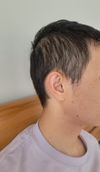
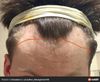
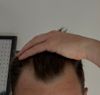
Some embrace baldness, while others promote treatments like minoxidil and finasteride. Opinions differ on accepting baldness versus pursuing hair regrowth.
PP405 is being discussed as a potential treatment for hair loss, with uncertainty about its effectiveness compared to existing treatments like finasteride, dutasteride, and minoxidil. There is cautious optimism, but its impact on hair transplants remains unclear.
PP-405, a potential hair loss treatment, shows promise in stimulating dormant hairfollicles and may help with various hair loss types. Current treatments like Minoxidil are still recommended as PP-405 is in early trials and may take years to become available.
A non-binary individual experienced hair loss after stopping hormone replacement therapy and is using oral Dutasteride, oral Minoxidil, and ketoconazole shampoo. They are hopeful for regrowth but may use wigs due to the high cost and uncertain effectiveness of additional treatments like mesotherapy and PRP.
A 33-year-old man using finasteride, minoxidil, thickening shampoo, conditioner, and Nizoral noticed peach fuzz after a month and is hopeful for regrowth. Others shared mixed experiences, with some seeing further growth and others not.
The conversation is about someone's hair transplant progress after 8 months, questioning if results will improve. They use topical minoxidil and finasteride, a dermapen, vitamins for hair, and aminexil shampoo, and sometimes do scalp massages.
The user experienced hair loss from age 16 to 24 and tried various treatments. Effective treatments included Finasteride, Minoxidil, and hair transplants, while thickening shampoos, biotin, laser hair therapy, and excessive exercise were ineffective.
The conversation is about restoring hairline and temples using finasteride, micro-needling, and Ketoconazole shampoo, with suggestions to add minoxidil despite its side effects. A hair transplant is considered likely necessary for significant restoration.
The user has seen hair regrowth after using oral finasteride, topical minoxidil, ketoconazole, and microneedling for three months. They are considering growing their hair out but are concerned about the appearance and the practicality of applying treatments to longer hair.
The user is 6 months post-hair transplant and uses finasteride, oral and topical minoxidil, along with supplements like omega-3, vitamin D3, and zinc. They are experiencing significant shedding and seek advice on whether the medications are effective and if the shedding will settle.
User experienced hair loss after weight lifting, had a successful hair transplant, but later faced significant thinning. Current treatment includes finasteride, minoxidil, dermal rolling, and supplements.
The user is using finasteride, minoxidil, and ciclopirox shampoo for hair loss and is considering adding a topical anti-androgen like RU58841, Clacosterone, or KX286. They have scheduled a hair transplant and are concerned about the cost and effectiveness of future treatments.
The user is using Minoxidil, Finasteride, RLLT, Nizoral Shampoo, and microneedling for hair regrowth. They notice some thickening and new hair growth, especially in the front, but are unsure about the overall regrowth due to previous head shaving and photo comparisons.
The user wants to undergo laser hair removal on a bad hair transplant and maintain their natural hairline. They are seeking shampoo recommendations while using finasteride and minoxidil.
PP405 is a promising new treatment for hair loss that activates dormant stem cells in hairfollicles, potentially bypassing the effects of DHT. It is currently in phase 2 trials and could be available between 2027 and 2030, but it is not considered a definitive cure.
The conversation is about a 40-year-old trying a homemade topical hair loss treatment combining finasteride and minoxidil, and considering microneedling after previous side effects from oral finasteride. They plan to provide updates on the results and any side effects.
The user has been using 1MG finasteride, 5% minoxidil, LLLT, and derma stamping for a year to improve hair density for a potential transplant. They are considering switching to dutasteride and are unsure whether to proceed with a transplant now or wait for more growth.
Pelage PP405 is a new hair loss treatment in trials, potentially reactivating dormant hairfollicles without affecting hormones. Results are expected in February 2025, offering an alternative to minoxidil and finasteride.
Tiny blond hairs on the vertex may indicate early hair regrowth from using dutasteride and minoxidil. Consistent treatment is advised, with potential for thicker hair over time, but a hair transplant might be needed for significant results.
A 19-year-old is using keto shampoo, topical Minoxidil 5% for 3 months, and topical finasteride 0.1% for 1.5 months to address hair loss. They are noticing baby hairs and shedding, questioning if the hairs will thicken and if more time is needed for finasteride to work.
A user shared a blog post by "swissTemples" claiming to have reversed hair loss using a combination of treatments including suppressing PGD2 and increasing PGE2. The user noted that "swissTemples" has been banned from forums, possibly due to conflicts of interest.
The user is frustrated with hair regrowth despite using finasteride, minoxidil, dutasteride, RU58841, ketoconazole shampoo, and dermastamping. Others suggest improvement, advise against overmedication, and recommend consulting a doctor or considering a simpler regimen or hair transplant.
A user experienced extreme hair growth on their hairline and temples using natural remedies like onion juice, nail rubbing, more veggies and fruits, less carbs, jojoba oil, and dermarolling. They did not use Minoxidil, finasteride, or any prescription drugs.
A 31-year-old man shared his 2-year experience using finasteride and minoxidil after a hair transplant on the front and mid scalp, noting improvement but still having a thin crown. He recently started dermastamping, plans to use ketoconazole shampoo, and uses hair fibers for extra confidence at events.
User shared progress pictures of hair regrowth on the crown/vertex after a transplant and using finasteride, Minoxidil foam, and a dermapen. They hope to fully regrow or increase density in the crown area.
An 18-year-old male experiencing hair thinning and loss is using oral minoxidil, topical minoxidil, finasteride, and a multivitamin as prescribed by a dermatologist. He's having difficulty applying the topical minoxidil effectively due to his hair length, as he feels a lot of it stays on his hair instead of reaching the scalp.
Verteporfin treatment shows promise for hair regeneration and reducing scar tissue in hair transplants. Some users plan to try verteporfin with hair transplants, and it may also be combined with PRP in future experiments.
After suffering from hair loss and trying various treatments like finasteride, minoxidil, RU58841, and scalp micropigmentation without lasting success, the individual found freedom and a renewed sense of self by shaving their head and accepting their baldness. They encourage others struggling with hair loss to not waste years searching for a cure and to consider embracing a shaved head as a positive solution.
Carnosic acid in rosemary extract may enhance skin repair and promote hairfollicle regeneration. It could be used alone or with verteporfin for scarless healing after dermal wounding.