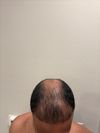
User shares 8-month hair transplant update with 3800 grafts, using Minoxidil and Xpecia. Others express amazement at results and discuss costs and procedures.
A user has been using dutasteride and oral minoxidil for hair loss with no change and is considering a hair transplant at age 22. Replies suggest that a transplant is possible if DHT blockers like finasteride are continued, and another user shared a positive personal experience with a transplant at age 20.
A user sharing the results of their hair transplant surgery after two years, with some commenters noting that it looks unnatural and others praising the result. Several users suggest specific treatments such as Toppik, Minoxidil, Finasteride and RU58841 to improve the look.
The user is experiencing hair loss and is using oral finasteride, considering adding RU58841 and microneedling, and planning a hair transplant. They are seeking advice on whether to wait for treatment results or proceed with the transplant.
A user is seeking advice on increasing graft survivability after a hair transplant, mentioning PRP, Mesotherapy, Stem Cell injections, and considering L-Arginine before starting Minoxidil. They are looking for ways to support blood flow before applying Minoxidil.
A 24-year-old male is considering the "Big 4" treatments (Finasteride, Minoxidil, Ketoconazole shampoo, and Microneedling) or a hair transplant for hair loss. Most users recommend starting with Finasteride and Minoxidil to stabilize hair loss before considering a transplant.
The conversation discusses whether someone with a naturally large forehead and widow's peak can get a hair transplant and start finasteride early. It also mentions a surgery to lower the hairline as an alternative.
A user shared their 15-month progress after a hair transplant in Turkey, using 4200 grafts, topical Minoxidil, and Finasteride, and considering switching to oral Finasteride. They are mostly satisfied with the results but are contemplating further treatment for better density.
The user stopped oral treatments due to side effects and switched to a regimen of topical minoxidil, tretinoin, azelaic acid, and dermaneedling, with recent addition of topical finasteride. They are questioning the long-term effectiveness of non-hormonal methods and considering hairtransplantation.
Using PP405 and Clascoterone after a hair transplant may not cause issues if the transplant didn't achieve native density, but could lead to competition for blood supply if it did. Some users suggest waiting for these drugs to be available, as they might not significantly impact blood supply or regrowth.
Hair regrowth treatments, including stem cell injections, are discussed, with skepticism about their effectiveness compared to Minoxidil and finasteride. Derma stamping is mentioned as effective when used with Minoxidil, finasteride, and dutasteride.
A user shared their experience with a 2000 FUE hair transplant at Hasson and Wong, noting significant improvement 7.5 months post-op. They also used finasteride and dutasteride to slow hair loss.
Verteporfin shows promise in donor hair regeneration after 84 days. Combining Finasteride, Minoxidil, and Pyrilutamide with unlimited hair transplants is seen as a potential near-cure for hair loss.
The user switched from oral to topical finasteride with minoxidil after a hair transplant and is experiencing increased hair growth in unexpected areas like eyebrows and sideburns. They are seeking feedback from others with similar experiences.
The user shared progress on hair restoration using dutasteride, oral minoxidil, and 2800 grafts, noting significant improvement in hair thickness and coverage. They discussed the importance of continuing DHT blockers like finasteride or dutasteride post-transplant to prevent further hair thinning.
Finding treatments for regrowth on the hairline which have not been successful so far, with suggestions of maintaining what they currently have and considering a hair transplant as an option.
A person had a successful hair transplant in Turkey with 3200 grafts using FUE and DHI techniques, and is satisfied with the results after 9 months. They have been using finasteride for 7 years to maintain hair health.
A user shared their 7-month progress after a hair transplant, using dutasteride and minoxidil to maintain native hair. The transplant was done in Juarez, Mexico, and the user noted that medication is still necessary to prevent further hair loss.
A user's results after 10 months of hair transplant surgery, which they had been taking care of with 0.5mg/day finasteride, 1x daily minoxidil and 1.5 times weekly microneedling treatments. One other user replied positively to the post.
The user experienced severe hair shedding and thinning about a year after a hair transplant, despite using finasteride and minoxidil. They are concerned about whether the transplanted hair can regrow or if it is miniaturizing.
A user underwent a hair transplant at Moart Clinic in Seoul, receiving 1100 grafts in the crown area after Dutasteride and oral Minoxidil failed to improve a stubborn bald spot. The procedure was successful, with minimal pain and good post-op recovery, costing $6900 USD before a tax refund.
A potential non-invasive topical treatment targeting the WNT Signaling Pathway for hair regeneration is being researched, with positive results on human hair follicle cells. Current effective treatments for hair loss include Minoxidil, finasteride, and hairtransplantation.
A user plans to experiment with creating new hair follicles using methods like derma rolling, applying lithium chloride, tannic acid, and various other substances including caffeine, ketoconazole, and raspberry ketones. They also consider using anti-inflammatories, immunosuppressants, and DHT inhibitors to potentially improve results.
The user experienced significant hair regrowth using oral and topical minoxidil, dutasteride, and microneedling, with natural hair returning despite previous baldness and transplants. The treatment appears effective, as hair has darkened and increased in length.
User tried topical finasteride mixed with minoxidil, Nizoral shampoo, oral minoxidil, and FUE hair transplant for hair loss. User asks when it's safe to trim hair after transplant and considers trying RU58841 or pyrilutamide.
A user shared their positive experience with a 4200-graft hair transplant performed by Dr. Heena Kudyar, noting significant improvement in hairline and density by month 9. The user did not mention using medications like Minoxidil, Finasteride, or RU58841.
The user is unhappy with the results of a FUT hair transplant from 2021, noting uneven hair texture and persistent thinning. They are considering a FUE procedure and have been using finasteride for a year, previously used minoxidil, and currently use Toppik for concealment.
Hair regeneration and follicle cloning are considered far from being feasible, with current treatments like finasteride, minoxidil, and hair transplants expected to remain dominant for the next 15-20 years. Some are hopeful that AI advancements might accelerate progress, but many remain skeptical about significant breakthroughs in the near future.
The conversation discusses the lack of significant advancements in hair loss treatments beyond finasteride and minoxidil, questioning if hair restoration technology has reached a dead end. Hair transplant technology has improved, but new medications face challenges with market entry, cost, accessibility, and long-term effectiveness.