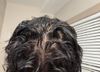
A user trying various treatments for hairloss, such as minoxidil, stemoyxidine, alfatradiol, and microneedling, with plans to add tretinoine and finasteride.
A 20-year-old male has been experiencing hairloss since age 16 and has tried various treatments including topical minoxidil, topical and oral finasteride, and oral dutasteride with minoxidil, but has not seen significant improvement. He is currently using 1.5mg dutasteride and 5mg oral minoxidil daily, along with derma penning, and is seeking advice on regrowing hair to avoid using hair fibers.
A 21-year-old expresses feeling alone and invalidated in his struggle with hairloss, seeking empathy from others. Some users share similar feelings, while one mentions making progress with dutasteride and minoxidil treatments and considering a hair transplant.
The user has been using Dutasteride 0.5mg, Biotin, and oral Minoxidil 2.5mg for 12 weeks to treat hairloss and is optimistic about future results. Others encourage consistency and express satisfaction with the progress.
A 21-year-old is experiencing severe hairloss despite using finasteride and minoxidil, and plans to try dutasteride. Others share similar struggles and suggest various treatments like RU58841, spironolactone, and hair systems, while emphasizing the emotional impact of hairloss.
The user is concerned about hairloss, particularly at the crown, and is using topical finasteride and ketoconazole shampoo but avoids minoxidil due to side effects. Opinions vary, with some suggesting the hair looks worse, while others see no change or slight improvement; additional treatments like oral finasteride and micro-needling are suggested.
The user experienced hair regrowth and thickening using 1mg oral finasteride, 3mg oral minoxidil, biotin, vitamin D, red light therapy, and microneedling. Some shedding occurred around 4-6 weeks into the treatment.
The user shared a 6-month aggressive hairloss treatment progress, using oral minoxidil, finasteride/minoxidil topical, dutasteride, derma stamping, Nizoral, and daily Cialis, which notably improved regrowth. Commenters observed significant improvement, with one noting a change from a Norwood 5 to a Norwood 1 in hairloss classification.
A 30-year-old started hairloss treatment in September 2022 with oral Minoxidil and Finasteride, then switched to a spray version in June 2023. They also improved their diet, exercised, used biotin shampoo daily, and micro needled weekly, resulting in noticeable hair regrowth.
A user's hairloss progress after 4 months of using a topical fin and min mix, with responses from other users about their experience with the same treatments.
The user has been on finasteride and minoxidil since 2020 and increased dutasteride and minoxidil doses in June 2024, but still experiences hairloss. Despite trying pyrilutamide without success, opinions vary on whether the hairloss is significant, with some suggesting it might be due to lighting, angles, or a regular shedding cycle.
Tressless GPT is now free and accessible for hairloss advice. Treatments discussed include Minoxidil, finasteride, RU58841, dutasteride mesotherapy, topical melatonin, microneedling, and rapamycin.
The user shares their hairloss treatment routine, which includes dermarolling every 5 days, daily Minoxidil, topical Finasteride, Biotin, Nizoral every 2 days, Castor Oil, and daily use of a Power Laser Comb. They categorize it as "Progress Pictures."
The user shared their positive experience with hairloss treatment using 1mg finasteride, 0.5mg minoxidil, vitamins, ketoconazole shampoo, and a thickening shampoo, noting significant progress and minimal side effects. They emphasized the importance of trying treatments despite initial shedding and shared their routine for managing frizzy hair.
The user is experiencing hairline recession and plans to use minoxidil, finasteride, and biotin for a year, considering a hair transplant if needed. They seek advice on their treatment plan and additional ways to support hair growth.
A 21-year-old man shared his 2.5-year experience with hairloss treatments, including 1mg Propecia (finasteride) nightly, 12.5% Minoxidil once daily, 2% Nizoral shampoo 2-4 times a week, and later 5% Minoxidil once daily. He experienced minor side effects like watery semen and itchy scalp, and while he's seen fluctuations in hair growth, he's generally happy with the results and is considering experimental treatments like CB-03-01 and RU58841.
A 30-year-old male shared his hair transplant experience after being diagnosed with Norwood grade 5 baldness, receiving 4000 grafts, and considering another 3000 grafts due to gaps. He is using minoxidil, RCP serums, multivitamins, anti-hair fall shampoo, a derma roller, and rosemary oil, but some users suggest he should have used finasteride or dutasteride earlier.
New hairloss treatments include Breezula, PP405, ET-02, KX-826, GT20029, VDPHL01, and CosmeRNA, with some showing promise in reactivating stem cells and reversing greying. Breezula and VDPHL01 are highlighted as potential add-ons or alternatives to current treatments like finasteride and minoxidil.
The user is happy with their 3-month hairloss treatment progress using 1mg finasteride daily, 5% minoxidil twice daily, derma stamping 1-2 times a week, and WaterMans shampoo. They noticed improvements despite initial shedding and stopped taking creatine, which they suspect might have affected hairloss.
The conversation discusses severe hair shedding and thinning, with the original poster using finasteride, oral minoxidil, and other supplements without improvement. The discussion highlights the possibility of telogen effluvium and the importance of addressing potential underlying health issues, such as stress and gut health, rather than assuming diffuse unpatterned alopecia (DUPA).
A user with long-term hairloss has been using topical minoxidil, finasteride, RU58841, ketoconazole, and dermastamping for 8 months. They are unsure if the new hairs are miniaturized or vellus.
A user experienced rapid hairloss and successfully regrew hair using minoxidil daily and finasteride 0.5mg every other day, along with lifestyle changes. They reported significant improvement after initial setbacks and emphasized the importance of starting treatment early.
A new hairloss treatment called TDM-105795 is discussed as a potential replacement or add-on to Minoxidil. Users express hope for new effective treatments.
The user experienced hair thinning on TRT and considered various treatments suggested by an online clinic, including GHK-Cu Scalp Serum and Minoxidil blends. The consensus is that only finasteride or dutasteride effectively stop hairloss, while Minoxidil can thicken hair.
A user experiencing hairloss received three different diagnoses: androgenic alopecia, traction alopecia, and scarring alopecia, and tried treatments like minoxidil and finasteride without success. They are considering dutasteride but were advised to seek anti-inflammatory medication instead.
The conversation discusses hairloss treatments, focusing on finasteride, minoxidil, and other options like PRP and ketoconazole. It highlights the importance of asking specific questions during a dermatology visit to determine the cause of hairloss and appropriate treatments.
User shared 6-month progress using Fin, Min, Microneedling, Biotin, and Ketoconazole Shampoo for hairloss. They microneedle once a week, use 1.25 mg Fin daily, and apply topical Min twice a day.
The conversation discusses various hairloss treatments, including minoxidil, finasteride, dutasteride, RU58841, microneedling, ketoconazole shampoo, and laser therapy. Users emphasize the importance of consistency, patience, and individual response to treatments.
User ronopibf discusses Fagron TrichoTest, a genetic test for hairloss, and seeks opinions on its effectiveness. Some users support the service, while others call it a scam, with prices ranging from $200-$500.
The user is experiencing hairloss and has tried various treatments including topical and oral finasteride, minoxidil, dutasteride, and ketoconazole, but continues to lose hair. They are considering alternative solutions like hair systems due to the lack of improvement and a scalp condition called CVG.