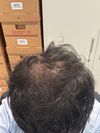
User discusses scalp micropigmentation for denser hair appearance and its benefits compared to lifelong treatments. Special ink is used, which can fade and blur over time but can be topped up.
Hair transplants, oral finasteride, oral minoxidil, and dutasteride mesotherapy are highly effective for treating AGA hair loss. This combination can maintain and improve hair for most people, except those with very aggressive AGA.
A user shared their baseline bloodwork results before starting Finasteride 1mg every other day, seeking comparison with others who have done similar tests. They are interested in any changes observed after beginning the treatment.
User found Annurmets, an Italian supplement with apple extract for hair loss treatment. Many reported incredible results using Procyanidin B2 from apple extract.
A 22-year-old is using a hair loss treatment protocol including dutasteride, microneedling, 10% minoxidil, 0.1% finasteride topical, a healthy diet, and a hair multivitamin. Users discuss the effectiveness of microneedling and the intensity of the treatment.
The conversation discusses hair loss treatment progress using Minoxidil, a 0.5mm derma stamp, and caffeine serum, with additional use of rosemary, peppermint, and olive oil. The user is avoiding DHT blockers like Finasteride due to potential interference with other medications.
SCUBE3 and Amplifica's progress in hair loss treatment is being discussed, with inquiries about their current status and clinical trials. No specific updates or new information are provided in the conversation.
User discusses switching from microneedling to macroneeding for hair loss treatment. Suggestions include using various devices and unconventional methods.
People on testosterone replacement therapy (TRT) with aggressive androgenetic alopecia (AGA) discuss using Dutasteride or Finasteride, sometimes combined with topical treatments like RU58841 or CB-03-01 (Breezula), to prevent hair loss. Concerns about side effects and costs of certain treatments are mentioned, with one individual sharing their experience of slowed hair loss using Finasteride alone.
A user's transformation due to their efforts in fighting hair loss, which was achieved without a hair transplant; the discussion includes advice about treatments such as minoxidil and finasteride.
The user is using a hair recovery treatment with 0.5 mg dutasteride, 5 mg biotin, 5% topical minoxidil, and dermarolling twice a week. They are considering using a 1.5 mm dermaroller and red light therapy.
The conversation discusses using USB microscopes for scalp photos and provides a link to an overview of trichoscopy. Treatments mentioned include Minoxidil, finasteride, and RU58841.
Fluridil degrades androgen receptors, which are prevalent in the scalp and other tissues. People with androgenetic alopecia (AGA) may have higher expression of these receptors and 5AR activity in affected scalp areas.
The conversation discusses hair loss treatments, including the use of Dutasteride, Minoxidil (both topical and oral), and dermastamping at a 2.5mm depth. Users share progress, experiences, and opinions on these treatments.
Female (37) experiencing hair loss for 5 years, tried max dose of spiro and oral + topical minox without success. Discovered low cortisol and low DHEA levels, seeking functional medicine practitioner for help.
The user has been taking 1 mg of finasteride daily for four months and is questioning if they are experiencing hair regrowth, as suggested by their barber. Another user suggests taking better photos to assess the crown area more clearly.
AHK and GHK are discussed for hair growth in the crown area, with questions about side effects and safety after microneedling. Users share experiences and concerns about these treatments.
A 24-year-old shared three months of progress using dutasteride, minoxidil, and biotin for hair loss. The post includes progress pictures and discusses the effectiveness of these treatments.
User experienced significant hair regrowth after 90 days using Dutasteride, oral and topical Minoxidil, RU58841, dermarolling, and Keto shampoo. Others discuss potential side effects and difficulty determining which treatment is most effective.
Amplifica is testing a compound called AMP-303 for hair loss, but it's not Scube3 or osteopontin. The timing for the results from the clinical trial is unknown.
Finasteride, Minoxidil, Bioneer CosmeRNA, Technoderma, Kintor, Hope, Breezula, and Follicum treatments showed increases in hair count, with Technoderma showing the highest increase at 24.3 hairs/cm². Amplifica has not yet published results.
The conversation discusses the effectiveness of Vichy Dercos Aminexil Clinical R.E.G.E.N. Booster for hair shedding and thinning. The main ingredient, Aminexil, is compared to Minoxidil, and the user seeks real experiences to determine its efficacy.
A 25-year-old male experienced significant hair loss due to telogen effluvium and androgenetic alopecia. He began using finasteride, minoxidil, and vitamins, seeing some regrowth but remains worried about hair density.
A 19-year-old male has been using topical finasteride and minoxidil for 8 months with no progress and is considering seeking a second opinion due to potential misdiagnosis. The discussion revolves around whether the hair loss is due to male pattern baldness, alopecia areata, or a vitamin deficiency.
OP experienced significant hair regrowth after recovering from iron deficiency anemia and starting minoxidil. They suspect anemia contributed more to their hair loss than androgenetic alopecia (AGA).
N-Acetyl-Cysteine (NAC) is being explored for treating hair loss, but users report mixed results. Some also mention using Quercetin and Resveratrol without significant hair improvement.
The conversation is about a user's hair loss treatment progress using a routine of Avodart (Dutasteride), oral and topical Minoxidil, Ketoconazole shampoo, and microneedling. The user reports no side effects and shows improvement after resuming consistent treatment.