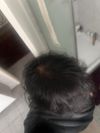
A male in his early 20s with CCCA (scarring alopecia) started treatment with Finasteride, Fluocinolone, and Doxycycline. Steroid injections were suggested but not yet done.
The user experienced hair loss despite using Fin and Min for 12 years and switched to Dutasteride, RU58841, and Keto scalp serum, but shedding and itch persist. They are considering increasing Dutasteride to 2.5mg and questioning the necessity of a scalp biopsy, with mixed opinions on its usefulness.
The user is experiencing hair thinning at the crown and midscalp and is seeking advice. They are considering treatments like Minoxidil, finasteride, and RU58841.
The post discusses a theory that hair regrowth after transplant is due to the angiogenesis process (new blood vessels forming), not because the transplanted hair is unaffected by DHT. The responses highlight the established belief in 'donor dominance' (the importance of the hair's origin in transplantation) and skepticism about the new theory.
Alcohol-based minoxidil absorbs better but can cause irritation; non-alcohol-based is gentler. Topical dutasteride shows promise but needs more research; low-dose oral minoxidil (0.25 mg/day) is effective with fewer side effects. Ingredients like Procapil, Redensyl, caffeine, and Anagain in shampoos have limited evidence; ketoconazole shampoo can help when used 2-3 times a week with other treatments.
A 20-year-old is experiencing severe diffuse thinning and shedding despite using oral minoxidil for 12 months and dutasteride for 8 months, after previously trying finasteride. They are frustrated with the lack of improvement and considering trying RU58841.
A 33-year-old male is experiencing hair loss on the crown and is considering treatments like Minoxidil 2% or 5%, Minoxidil foam, Finasteride, or a hair transplant. He previously used Minoxidil 2% for his hairline but found it annoying to apply.
The user has mostly recovered hair density using finasteride, alternating oral and topical minoxidil, and occasional dermarolling, but the crown area is still struggling. Advice includes continuing treatment for up to 24 months and possibly consulting a doctor if issues persist.
The user experienced worsening hair loss despite using finasteride and dutasteride. They are considering trying minoxidil but are unsure if it will help.
A 31-year-old male experienced significant hair regrowth on his crown after using oral minoxidil (initially 1.25 mg, increased to 2.5 mg, then reduced back to 1.25 mg) and finasteride (1 mg), without side effects except increased hair on arms, beard, and eyelashes. He also used anaphase conditioner and shampoo but no derma rolling or additional multivitamins.
The user switched from finasteride to dutasteride and is using minoxidil and RU58841 for hair loss treatment. They are satisfied with the progress and considering a hair transplant, despite some initial shedding after the medication change.
A 20-year-old male is experiencing worsening diffuse thinning despite using topical minoxidil, topical finasteride with minoxidil, oral finasteride, stemoxydine, and pyrilutimide. He is seeking support and advice as he struggles with the mental and physical challenges of hair loss treatments.
Minoxidil, finasteride, and RU58841 are discussed as treatments for hair loss, with excitement around a new drug, PP405, and a reformulated oral minoxidil in trials. Concerns about cost, side effects, and long-term use are also mentioned.
A user experienced significant hair regrowth using dutasteride without side effects, starting with finasteride and not using minoxidil or dermarolling. They attributed success to a unique genetic response to DHT blockers but did not share their full regimen, frustrating others.
A user shared their 4-year hair loss journey, starting with finasteride and minoxidil, then adding dutasteride and oral minoxidil, which improved their hair. They are now considering RU58841 and a hair transplant in the future.
A 16-year-old is experiencing thinning hair at the front and shedding during showers. He is concerned about potential early baldness and is considering seeing a doctor and taking multivitamins.
The user has been experiencing continuous hair loss despite using finasteride, minoxidil, and dermastamping. They are seeking advice on what to do next.
The post and conversation discuss the unpredictable nature of diffuse thinning, a type of hair loss. Users share personal experiences, with some mentioning treatments like oral finasteride and toppik, and the need for patience with these treatments.
Hair restoration treatments like finasteride, minoxidil, dutasteride, and hair transplants can greatly enhance self-image and dating life. Opinions differ on whether to embrace baldness or pursue treatments for maintaining hair.
A 22-year-old experiencing worsening hair loss after initially stabilizing on Dutasteride, despite adjusting the dosage. They cannot use Finasteride or Minoxidil due to side effects and are seeking advice and planning to consult a specialist.
A 25-year-old is experiencing mild hair loss and is using a regimen including scalp brushing, dermarolling, topical minoxidil, caffeine, melatonin, and a DHT-blocking shampoo. Another person shares their struggle with hair loss due to drug use and plans to start finasteride while trying to quit drugs.
Hair loss can be treated by correcting glucose metabolism in hair follicles and using equol as a safer DHT blocker. Production of these treatments is starting soon, and a Discord channel is available for more information.
The conversation discusses a hair loss treatment regimen involving dutasteride, pyrilutamide, oral minoxidil, and microneedling, with the aim of suppressing DHT and stimulating hair growth. Users debate the effectiveness and potential side effects of these treatments, noting that individual results may vary and that no treatment is foolproof.
A user diagnosed with AGA is seeking advice on hair loss treatments, comparing topical Minoxidil, Spironolactone, and Finasteride to oral medications and natural methods like dermastamping, PRP, and LED light. They are concerned about side effects and effectiveness, especially given their existing fatigue.
The user experienced hair loss due to a crash diet and later developed scarring hair loss. They are now on finasteride, oral minoxidil, LDN, Zyrtec, and Oztela to reduce scalp inflammation and promote hair regrowth.
A young female diagnosed with Lichen planopilaris (LPP) experienced years of misdiagnosis and ineffective treatments, including a hair transplant and other procedures. She is considering litigation due to the misdiagnosis and has learned that LPP is chronic, hair loss can be stopped with ongoing medication, but lost hair cannot regrow.
Genetic factors, enzyme activity, and DHT sensitivity affect individual responses to hair loss treatments like finasteride, minoxidil, and dutasteride. Starting treatments early can slow hair loss, but results vary among individuals.
Oral minoxidil treatment increased hair density and shaft caliber in AGA patients. Side effects included hypertrichosis and lower extremity edema, with younger patients experiencing fewer side effects.