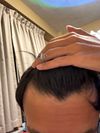
A user started using RU58841 for hair loss and experienced anxiety and physical discomfort. Other users suggested avoiding the treatment due to similar side effects and recommended alternative treatments like pyri.
Minoxidil may inhibit androgen receptors and affect hormonal pathways, potentially explaining its effectiveness in treating androgenetic alopecia (AGA). Users discuss its varying effectiveness on scalp versus facial hair and note fewer side effects with topical use compared to oral.
Dutasteride and finasteride have similar risks of sexual dysfunction for treating androgenetic alopecia. Users experience varying side effects, indicating individual differences in drug reactions.
PTD-DBM therapy for hair loss is being developed by Dr. Kang-Yell Choi, with human testing planned in South Korea. Some clinics in the U.S. offer PTD-DBM/valproic acid therapy, but it hasn't completed trials yet.
The individual is experiencing hair loss due to insulin resistance (IR) and is seeking advice. They are currently using a keto diet, supplements, exercise, and plan to add metformin to their regimen.
The user is experiencing one-sided diffuse thinning and has been using finasteride and liquid minoxidil for 4-5 years with minimal results. They are considering whether to save for a hair transplant or address scalp sensitivity and irritation first.
The conversation discusses using oral spironolactone for hair loss in males when 5ari blockers fail. Concerns are raised about spironolactone's side effects, and alternatives like pyrilutamide and breezula are suggested.
A user experienced significant hair regrowth using dutasteride without side effects, starting with finasteride and not using minoxidil or dermarolling. They attributed success to a unique genetic response to DHT blockers but did not share their full regimen, frustrating others.
The conversation is about the safety of using a product with azelaic acid and other ingredients on a receding scalp for hair loss. Specific treatments mentioned are Minoxidil, finasteride, and RU58841.
Using liposomal solutions with dutasteride, minoxidil, and tretinoin worsened hair loss due to buildup and scalp issues. Consulting a professional and returning to simpler treatments like finasteride and minoxidil improved the situation.
The conversation discusses the use of TRT, dutasteride, minoxidil, and potentially RU58841 for hair loss. Concerns about the risk of developing Cutis verticis gyrata with minoxidil and TRT are raised.
The conversation discusses a hair loss treatment regimen including oral dutasteride, oral minoxidil, tadalafil, and the recent addition of RU58841. The user shares experiences with these treatments, noting significant hair regrowth and stabilization, and discusses the cost and preparation of RU58841.
The conversation discusses hair loss treatments, specifically asking about clinics in the US that perform dutasteride mesotherapy. Minoxidil, finasteride, and RU58841 are also mentioned.
Micronutrient testing and deficiencies related to hair loss, particularly androgenetic alopecia (AGA). Discussion includes the impact of iron, selenium, zinc, copper, folate, B12, vitamin E, vitamin D, amino acids, and fatty acids, alongside treatments like dutasteride or finasteride.
8 months post hair transplant, OP experiences asymmetrical shedding despite using finasteride and starting minoxidil. The doctor suggests it might correct itself or be due to transplant trauma, recommending a wait-and-see approach.
A woman has been struggling with hair loss for over 12 years and is frustrated with doctors refusing to prescribe finasteride due to potential birth defects and unproven breast cancer risk. She's considering self-treatment or permanent birth control, after being offered only minoxidil, PRP therapy, and weaker natural supplements like Saw Palmetto.
An arthritis drug, baricitinib, is discussed as a potential treatment for autoimmune alopecia, not androgenetic alopecia. Ritlecitinib is also mentioned as a possible treatment for scarring alopecia.
The user stopped oral treatments due to side effects and switched to a regimen of topical minoxidil, tretinoin, azelaic acid, and dermaneedling, with recent addition of topical finasteride. They are questioning the long-term effectiveness of non-hormonal methods and considering hair transplantation.
The conversation is about severe Vitamin D deficiency and its potential link to hair loss. The user is already using oral finasteride, topical finasteride, and topical minoxidil for aggressive hair loss.
A 32-year-old male with hair loss cannot use finasteride due to erectile dysfunction and minoxidil due to scalp psoriasis. He seeks alternative treatments for his condition.
A 32-year-old male with Norwood 3 and heavy diffuse thinning is starting a hair loss treatment including RU58841, Minoxidil, finasteride, derma rolling, vitamins, and possibly MK677, while cutting out most sugars from his diet. He plans to share progress photos and updates on his test levels.
The conversation is about a person experiencing significant hair loss in the donor area after a hair transplant, with others suggesting it might be shock loss. The person is taking oral minoxidil and dutasteride to help with the issue.
A 19-year-old concerned about long-term effects of 5AR inhibitors on physical appearance. They have used finasteride and plan to try dutasteride or RU58841; responses suggest improved skin, hair, and confidence.
User experienced hair growth with finasteride and minoxidil, but after using tretinoin, faced aggressive thinning and hair loss. They plan to stop tretinoin for two months to see if the problem improves.
RU and Pyri block androgen receptors to prevent hair loss but may also hinder hair regrowth since they prevent testosterone, which can stimulate hair growth, from binding to these receptors. The user is questioning if this understanding is correct.
The user has been using finasteride and minoxidil for over three years, switched to oral minoxidil, and recently started dutasteride and dermarolling but still experiences thin hair. They are seeking suggestions for improving their hair condition.
RU58841 is generally considered ineffective as a standalone hair loss treatment, with most users combining it with finasteride or dutasteride for better results. Few report success using RU58841 alone.
A 20-year-old is experiencing hair loss despite using dutasteride and oral minoxidil. Suggestions include consulting a specialist, considering RU58841, and checking for other conditions and vitamin deficiencies.
The user has been using oral minoxidil, finasteride, and dutasteride for hair loss, along with supplements like arginine and collagen, but has seen no improvement. They also suffer from chronic eczema, which may contribute to hair loss, but it is considered reversible.