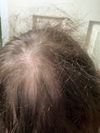
The conversation discusses using Tretinoin for treating androgenic alopecia. Specific treatments mentioned include Minoxidil, Finasteride, and RU58841.
The user has been using minoxidil for 5 years and finasteride for 7 months, with recent addition of tretinoin cream causing significant hair shedding. Other users suggest the shedding indicates effectiveness and recommend continuing tretinoin use.
The user mixed tretinoin with minoxidil and noticed hair regrowth after three months, despite initial dryness. Their regimen includes 0.5mg dutasteride every other day, daily topical minoxidil with 0.025% tretinoin gel, and ketoconazole shampoo twice weekly.
A user shared their experience of hair loss progression after one year on dutasteride, expressing disappointment with no improvement and considering other treatments like RU58841. Other users offered mixed responses, some seeing no change, others suggesting the hair loss might have been worse without treatment, and discussing the role of testosterone and DHT in hair loss.
Scientists discovered a new T cell treatment that could regrow hair. Users are skeptical but hopeful, with some relying on finasteride and minoxidil in the meantime.
A new stem cell method for culturing hair follicles is being developed as an alternative to Minoxidil, finasteride, and RU58841. There are concerns about its cost and accessibility despite plans for commercialization.
The user experienced male pattern baldness starting at 18, tried finasteride with no success, and switched to dutasteride, which halted hair loss. Minoxidil had no effect for them, while their brother, who didn't use AR inhibitors, maintained a juvenile hairline and successfully grew a beard with minoxidil, highlighting the unpredictable nature of genetics in hair loss and treatment response.
The user reports losing a significant amount of hair when applying RU58841 and Minoxidil but loses much less hair when massaging or brushing without these treatments. They are concerned about the increased hair loss associated with these products.
The user shared positive progress in hair regrowth using dutasteride, topical minoxidil, and Keeps shampoo, with a unique minoxidil application schedule and glycolic acid exfoliation to maintain scalp health. They reported no side effects from dutasteride and are pleased with the results.
The user has been using finasteride for over two years with mixed results and is considering starting dutasteride and oral minoxidil, though both are hard to obtain. They are also contemplating a hair transplant in the future due to diffuse thinning.
The conversation discusses hair loss treatments, focusing on reducing scalp itching and dandruff using natural shampoos, witch hazel, and apple cider vinegar. The user also mentions using finasteride and observing potential regrowth, though it's difficult to confirm.
A 21-year-old male has been experiencing hair thinning and receding since age 18 and is considering treatments like Minoxidil, finasteride, and RU58841. He regrets not starting treatment earlier.
A 28 year old using a hair loss prevention protocol to restore thinning hair, which includes finasteride, dutasteride, minoxidil, stemoxydine, alopecin, nizoral shampoo and microneedling; the user is now adding pyrilutamide solution to the regimen with the hope of improving their results. RU58841 was also ordered but not yet used.
The user is considering using tretinoin with minoxidil to enhance its effectiveness for hair loss, as oral minoxidil and finasteride aren't meeting expectations. They also mention ketoconazole topical as a potential scalp treatment.
The user is seeing progress in hair regrowth using a combination of 8% minoxidil, 0.25% dutasteride, and 0.01% tretinoin. The conversation includes comments on the effectiveness and application of these treatments.
The user convinced their trichologist to prescribe topical finasteride after using topical estradiol and progesterone for hair maintenance. They also discussed the potential impact of "nofap" on hair loss, noting that abstaining for about four months seemed to reduce shedding.
The conversation discusses hair cloning progress and mentions treatments like Minoxidil, finasteride, and RU58841. Users also talk about hair transplants and their effectiveness.
The individual is experiencing hair thinning primarily at the front/middle of their scalp and is seeking to identify the type of hair loss they have. They already use treatments like oral Minoxidil, topical Finasteride, Tretinoin gel, dermarolling, and various oils and shampoos.
The user has high free testosterone and is still experiencing hair loss despite taking dutasteride and oral minoxidil for over three years. They are considering adding a topical anti-androgen like RU58841.
A user did not respond to finasteride, dutasteride, and oral minoxidil for hair loss after four years of treatment and is considering scalp micropigmentation (SMP). Other users suggest the hair loss pattern may indicate alopecia areata and recommend seeing a dermatologist.
The conversation discusses hair thinning potentially caused by seborrheic dermatitis, with the user considering over-the-counter treatments like Head and Shoulders, Selsun Blue, and Nizoral, while maintaining keratin-treated hair. A suggestion is made to use raw organic honey as a hair mask to treat seborrheic dermatitis without affecting keratin treatments.
A user tried the Rapid Minoxidil Response Test (TrichoGene) and found they don't respond to topical Minoxidil, so they added tretinoin. The test is available internationally, and another user is considering ordering it.
Adipose-derived stem cells with ATP improved hair regrowth in male and female mice with androgenetic alopecia. The most effective treatments were low dose stem cells with ATP for males and medium dose stem cells with non-liposomal ATP for females.
Maintaining good hair density is more important than preventing a receding hairline, as it can enhance a mature look. Treatments discussed include finasteride, minoxidil, dutasteride, and RU58841.
The user is considering using topical finasteride for hairline recession and thinning, despite having low DHT levels and previous side effects from oral finasteride. They are also taking 2.5 mg of oral minoxidil, which has not resulted in regrowth or stabilization.
The individual reversed their hair loss using oral dutasteride and topical minoxidil, and experienced side effects including low libido, tiredness, and brain fog. They started treatment at age 26 and have a high-protein diet and exercise regularly.
A woman experiencing hair loss and facial hair growth suspects PCOS or androgenic alopecia and is considering treatments like Rogaine, but is concerned about the cost. She has tried various hair care methods and is awaiting a hormone doctor appointment, while others suggest she may have a hormonal imbalance and recommend seeing a gynecologist or trying cheaper versions of Rogaine.