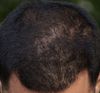
The conversation discusses the effectiveness of combining tretinoin with minoxidil for hair loss. The user notes better results from microneedling rather than the tretinoin and minoxidil combo.
Topical tretinoin can increase the absorption of minoxidil by three times, which may enhance its effectiveness for hair loss treatment. Tretinoin causes increased skin turnover, making the skin more permeable and potentially improving minoxidil's efficacy.
The user is using a combination of hair loss treatments including dutasteride, minoxidil, RU58841, low-level laser therapy, ketokonozole, supplements, Viviscal, Nutrafol, microneedling, PRP, and scalp Botox injections, but is still experiencing hair shedding and thinning. Despite being on this regimen for two years, the user's hair condition is worsening, and they are seeking advice on what else they can do.
Potential treatments for hair loss, specifically the combination of liquid minoxidil and pyrilutamide, with some suggesting that adding finasteride may be beneficial.
The user is seeking advice for the best topical treatment to combat their ongoing hair loss, despite already using oral dutasteride, RU-58841, and minoxidil. They are considering adding CB-03-01 or topical Spiro to their regimen to lower testosterone levels at the follicles.
Microneedling, when combined with finasteride and topical minoxidil, can enhance hair regrowth for male pattern baldness, especially at the temples. Users report varying success with needle depths between 0.5mm and 1.5mm, with stamps preferred over rollers to minimize scalp damage.
Pelage Pharmaceuticals is developing PP405, a topical treatment for hair growth, currently in Phase 2a trials. There is skepticism about the company's claims, and no fast-tracking approval timeline has been detailed.
After a hair transplant, the user noticed unexpected new hair growth without using medications or vitamins. Many advised starting treatments like minoxidil and finasteride to maintain the results and prevent future hair loss.
A user shared their year-long hair loss treatment using minoxidil, microneedling, and scalp massages, reporting moderate hair growth and stabilization. They suggest starting early with less harmful methods and consider adding finasteride or dutasteride if needed.
The conversation discusses hair loss treatments using oral minoxidil, oral dutasteride, and mesotherapy dutasteride, showing impressive 6-month results. The user wishes these treatments were available in the U.S.
Hair follicles are mostly dormant but can be reactivated with treatments like minoxidil, finasteride, and microneedling. A new drug, PP405, shows promise for hair regrowth but may not be available until 2027-2028.
The user shared their 8-week hair regrowth progress using 0.5mg dutasteride, twice-daily topical minoxidil, and weekly 1.5mm microneedling. They noted visible improvement, though some users suggested reducing microneedling depth to avoid potential scalp damage.
The user is experiencing a strange hair loss pattern despite using dutasteride for 3 years and minoxidil with tretinoin for 1.5 years. They recently added microneedling and are considering a scalp biopsy to understand the cause.
Pyrilutamide from RUdirect is discussed, with users sharing experiences and alternative sources like Koshinemall. Users mention using treatments like minoxidil, RU58841, and dutasteride for hair loss.
A new stem cell method for culturing hair follicles is being developed as an alternative to Minoxidil, finasteride, and RU58841. There are concerns about its cost and accessibility despite plans for commercialization.
Pyrilutamide, a potential topical treatment for male pattern baldness, and the user's anticipation of its Phase 2 trial results. Several users discussed their experiences with Finasteride and RU58841, while others voiced skepticism about the efficacy of Pyrilutamide.
Tretinoin may help more minoxidil convert to its active form and could potentially increase its absorption, raising concerns about safety if too much enters the bloodstream. It's unclear if tretinoin affects finasteride absorption.
Some individuals experience side effects from 5AR inhibitors like finasteride and are considering hair transplants without these medications, with some opting for surgeons like Dr. Zarev. Others are exploring alternative treatments and waiting for new medications in development, while some discuss managing side effects through lifestyle changes or additional medications.
The conversation is about organizing hair regrowth results using a standard format in a single post for easier access. Treatments mentioned include oral minoxidil, oral finasteride, and dermarolling.
A user saw no results from using minoxidil and microneedling for 1.5 years and is considering trying tretinoin. They are seeking others' experiences with tretinoin for hair loss.
Some people have low sulfotransferase enzyme levels, affecting their response to minoxidil. Lifestyle factors, genetics, and diet, like MSM intake, might influence these enzyme levels.
Ecklonia cava is suggested as an alternative to finasteride and dutasteride for hair growth, potentially offering benefits without their side effects. It is promoted for anti-aging, mood enhancement, and cognitive support.
Ro mane spray, containing finasteride, minoxidil, and tretinoin, is discussed as a topical treatment for thinning hair. Users believe it should be effective due to its ingredients.
Dutasteride is more effective than finasteride for hair loss, with some users experiencing fewer side effects. Users share experiences with dutasteride, finasteride, minoxidil, and biotin, discussing dosage and fertility concerns.
Biotin may strengthen existing hair and reduce hair loss, but it doesn't promote new hair growth. Some users report stronger, darker hair, while others see no benefits or experience acne.
A user experienced significant hair regrowth from Xeljanz after severe alopecia but can no longer afford it. They are seeking ways to obtain the medication despite its high cost and potential side effects.
Hair regrowth was achieved using minoxidil, nizoral, alfatrodial, and pyrilutamide after finasteride caused side effects. The user recommends this combination for those who can't tolerate 5AR inhibitors, stressing consistent use.
The user reports some hair regrowth after 12 weeks using 5% topical Minoxidil, 0.015% topical finasteride, and occasional microneedling. They also take multivitamins including biotin, though others suggest these are only effective if deficient.