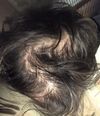
The conversation discusses using green tea, saw palmetto, horsetail, and zinc supplements for hair regrowth. One user criticizes the avoidance of finasteride.
Dr. Muñoz's discovery suggests that targeting potassium channels in fibroblasts could reactivate hair growth, offering new treatment possibilities for alopecia. Potential strategies include using minoxidil, diazoxide, and other potassium channel openers, as well as bioelectric devices and direct growth factor applications.
User tried dutasteride, topical finasteride, oral minox, dermawounding, saw palmetto, pumpkin seed oil, and ketacozonole for hair loss. Improvement was temporary, now trying RU58841 and seeking help.
User asks where to purchase exosomes/AAPE for microneedling hair loss treatment. Links to research on hair regeneration therapy, stem cell therapy, exosome therapy, and dermal exosomes provided.
A user discusses an Iranian hair loss treatment brought by their mom, questioning its effectiveness. Replies mention that Kopexil, an ingredient in the product, is different from Minoxidil and less tested.
A new supplement for hair growth combines black rice, prickly pear, and saw palmetto, showing promising results in increasing hair density and reducing hair loss. The supplement is considered a drug-free alternative to traditional treatments like minoxidil and finasteride.
The conversation is about finding effective hair loss treatments without using finasteride or dutasteride. Suggested treatments include topical minoxidil, oral minoxidil, microneedling, PRP, and RU58841.
Ashwagandha topical formulation may increase hair density and reduce hair loss, but results seem too good to be true due to a small sample size. Users are skeptical about its effectiveness and are experimenting with different application methods.
A new hair growth product claims to use apple stem cells, plant collagen, and bamboo leaf extract, with a 120-day money-back guarantee. Some users are skeptical, noting the product's marketing alongside other treatments like Minoxidil, finasteride, and red light therapy.
The user has been using minoxidil for hair loss and is considering trying a compounded topical treatment with 0.1% dutasteride, minoxidil, tretinoin, collagen, and silicon, as recommended by a trichologist. They learned that dutasteride might be more effective than finasteride and are seeking opinions on the use of topical dutasteride.
Peppermint oil and olive oil are being used to potentially improve hair growth, with some initial observations of stronger, thicker hair. Another user is using a mix of peppermint, coconut, castor, and rosemary oils, noting healthier and softer hair but no significant regrowth yet.
The conversation is about hair loss treatment using topical minoxidil, finasteride, and arginine, showing noticeable progress in one month. The user suggests adding arginine serum for better results.
The conversation discusses creating a 0.01% topical dutasteride solution mixed with minoxidil for hair loss treatment, with concerns about absorption and effectiveness. Some users suggest that dutasteride needs specific formulation for better absorption, while others recommend oral use for practicality.
After suffering from hair loss and Seborrheic Dermatitis for three years with no improvement from various treatments, the individual found success with COQ10 and PQQ supplements, which led to new hair growth and a healthy scalp without flare-ups. They also plan to start additional supplements recommended by a dermatologist.
A user's extreme regimen for hair loss, which includes taking oral and topical medications such as minoxidil, dutasteride, cyproterone acetate and bicalutamide, but still experiencing miniaturization. Suggestions were made to try other treatments such as RU58841 and Pyrilutamide, while also considering mental health treatment and advice on lookmaxxing.
How actor Ashton Kutcher used Dutasteride (Avodart) to treat his hair loss at age 25, but stopped taking it due to potential side effects when he wanted to have kids; and the discussion of various treatments for hair loss such as finasteride, minoxidil, and RU58841.
David Barreto shared that a London-based research group is conducting a 12-month trial for a new nutraceutical treatment for pattern hair loss, designed with Dr. Carlos Puig. The trial aims to provide robust data, with results expected in 1-2 years, potentially representing a significant advancement since finasteride’s introduction in 1997.
The conversation discusses a topical formula for hair loss including Finasteride (0.025%), Minoxidil (0.5%), Tretinoin (0.01%), Caffeine (0.005%), Melatonin (0.003%), Tea Tree Oil (0.05%), Aloe (0.05%), Biotin (0.05%), and Fagron TrichoXidil (2.5%). The user considers removing Minoxidil and Tretinoin to test TrichoXidil's effectiveness.
PP405 shows promise in treating severe hair loss, with 31% of users experiencing over 20% hair density increase in four weeks, faster than minoxidil and finasteride. Some users are skeptical about the results' significance and long-term efficacy.
The conversation discusses hair loss treatments, mentioning minoxidil, finasteride, RU58841, VDPHL, GT20029, and follicle cloning as potential solutions. It also reveals that the discussion about PP405 was an April Fool's joke.
Saw palmetto, derma pen, rosemary oil, scalp massages, pumpkin seed oil, green tea extract, and B complex are discussed as natural treatments for hair loss, with mixed results reported. Some users consider adding finasteride for more effective results.
Minoxidil, finasteride, and RU58841 are suggested for hair loss treatment. Supplements like biotin and saw palmetto may help but are not effective for androgenic alopecia.
Azelaic acid is considered a strong DHT inhibitor with no reported sexual side effects, making it a potential alternative for those who cannot use finasteride. It can be used with minoxidil, but may cause skin irritation.
Onion juice is discussed as a potential treatment for hair growth, with many positive user comments. Other treatments mentioned include Minoxidil, finasteride, and RU58841.
Minoxidil sulfate is considered for those unresponsive to regular minoxidil, with some trying a 10% formulation from Folligenz. Concerns exist about the product's stability and transparency, but some users report positive initial results.
The user stopped using minoxidil due to side effects and is trying alternatives like vitamin D supplementation, scalp massages, cold showers, oil treatments, zinc shampoo, and dermarolling. They report improved scalp health and some new hair growth, despite skepticism from others about the effectiveness of these methods.
A user shared their hair loss experience and treatment routine, which includes using Minoxidil (5% Rogaine foam) and Dutasteride 0.5, along with various supplements and natural oils. They reported positive results and emphasized the importance of liver health and thyroid function, despite skepticism from others about the effectiveness of supplements.
Amplifica is testing a compound called AMP-303 for hair loss, but it's not Scube3 or osteopontin. The timing for the results from the clinical trial is unknown.