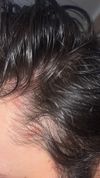
The user is considering starting minoxidil or getting their scalp checked for permanent scarring due to noticing thinner hair after bleaching. They are seeking advice on hair loss remedies.
After 2 years of using finasteride and minoxidil with good results, the user is experiencing severe scalp itchiness, shedding, and tenderness. Despite dermatologists finding nothing wrong, the user seeks over-the-counter treatments for the itch.
Despite using treatments like Dutasteride, Minoxidil, RU58841, and GHK-Cu injections, the individual continues to experience aggressive hair thinning and is seeking a specialist for further help. Suggestions include trying finasteride, dermarolling, or another hair transplant.
The user is experiencing scalp irritation and hair thinning, possibly due to stress, with red patches on the face and dry skin. They are considering seeing a dermatologist and have used tea tree and rosemary oil.
The conversation discusses transitioning from topical to oral minoxidil for hair loss treatment and explores the potential use of Aminexil, despite concerns about its effectiveness compared to minoxidil. It highlights the risks and side effects of oral minoxidil, such as potential heart and liver damage, and emphasizes the importance of monitoring blood pressure.
Exosomes combined with fractional picosecond laser treatment were effective in treating androgenetic alopecia and promoting repigmentation in white hair patches. The role of exosomes in hair repigmentation, particularly in conditions like poliosis, is not well-studied.
A 31-year-old has been using finasteride, dutasteride, and oral minoxidil for hair loss. They noticed a sudden triangular thinning patch on their scalp and are seeking advice, questioning if it could be medication-related.