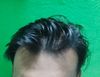
Pyrilutamide (KX-826) is discussed as an anti-androgen treatment for hair loss, with mixed user experiences. Some users report no results, while others find it mildly effective.
A user experienced androgenic alopecia starting at the vertex without frontal hairline recession and is seeking information on this pattern. Another user noted that vertex or diffuse hair loss is common among men.
Switching from oral to topical dutasteride can cause shedding due to changes in DHT levels, and it's recommended to overlap both treatments to minimize this effect. Topical dutasteride may cause scalp irritation, and the user is considering dutasteride mesotherapy as an alternative.
Ashwagandha may increase testosterone, which can convert to DHT and potentially affect hair loss, but using dutasteride should mitigate this concern. Users suggest that occasional Ashwagandha use is unlikely to impact hair loss significantly when on dutasteride.
The user is frustrated with hair loss, having switched from topical minoxidil and finasteride to dutasteride and oral minoxidil without seeing improvements. They are considering a hair transplant and are advised to continue the current treatment and explore therapy or lifestyle changes.
Adipose-derived stem cell secretome showed significant improvement in hair density and growth, especially when combined with minoxidil, suggesting a synergistic effect. The study had limitations, including a small sample size and potential bias.
.
This conversation is a satire post about a user who appears to have an abundance of hair, with other users commenting and asking questions about the treatments they use for their hair loss. Treatments discussed include minoxidil and finasteride.
Hair loss can be caused by various factors such as stress, thyroid issues, and genetics. Treatments mentioned include dutasteride, DHT blockers, and thyroid medication, though results vary.
The conversation is a satirical expression of frustration over hair loss, mentioning treatments like spironolactone, microneedling, and topical applications, with references to various hair loss products and personalities in the community.
ABS-201 shows promise for male hair regrowth by blocking the prolactin receptor, with higher expected efficacy than current treatments. The discussion also covers dosing differences between macaques and humans for hmi115, highlighting a significant dosage disparity.
A 31-year-old female stopped excessive hair shedding using Nizoral shampoo, diluted apple cider vinegar rinse, daily scalp massages, and oral iron and biotin supplements. She noticed a significant reduction in hair loss after 2.5 months and is observing potential regrowth.
A user with androgenetic alopecia is using 8 ml of 1.4% topical spironolactone solution daily but is unsure if this amount is excessive, as 2 ml is more typical. They seek advice on the appropriate amount to apply.
DHT itch's existence is debated, with some claiming it's real and others saying it's psychological. Finasteride, Ketoconazole shampoo, and addressing scalp conditions like dandruff or eczema may help reduce itchiness.
A woman experiencing hair loss, exacerbated by wearing a hijab, is seeking advice for her upcoming wedding. She has tried various treatments, including minoxidil, finasteride, and stem cell therapy, and is considering using hair fibers and extensions to cover her scalp.
The user experienced significant hair improvement using daily dutasteride (0.5mg) and oral minoxidil (5mg), along with ketoconazole shampoo twice a week. They reported no significant side effects, except for mild hypertrichosis, and plan to continue the regimen for a few years before reducing the dosage.
The conversation discusses alternatives to RU58841 for hair loss treatment, with suggestions including topical spironolactone, peppermint and rosemary oils, and saw palmetto. The user also considers ordering RU58841 from China but finds it too expensive.
Men with early male pattern baldness (MPB) may have hormonal abnormalities similar to those in women with PCOS. Specific treatments mentioned include Minoxidil, Finasteride, and RU58841.
The user has chronic itchy scalp and dandruff, unresponsive to ketoconazole, selenium sulfide, zinc pyrithione, coal tar, and salicylic acid. Topical steroids were also ineffective for long-term use.
A user is experiencing significant hair loss and stress, seeking advice on treatments. They are using Pura d'or shampoo and conditioner, biotin, and considering other options but are hesitant about treatments like Minoxidil due to the need for continuous use.
Visible hair improvement after 10 weeks using minoxidil, estradiol enanthate, acetophenide algestone, and bicalutamide. The user is a 25-year-old male with reduced testosterone levels, expressing a preference for less masculinity.
The user is experiencing increased hair shedding while using finasteride and RU58841, possibly due to changes in application methods. They are considering adding minoxidil and stemoxydine to their regimen to improve results and manage hair greasiness.
The user has not seen results from various hair loss treatments including finasteride, dutasteride, minoxidil, and others over several years and is considering adding RU58841 and starting hormone replacement therapy. They are also experiencing anxiety and contemplating moving to a more accepting environment for their nonbinary identity.
A user experienced increased shedding after adding KX-826 to their long-term finasteride and minoxidil regimen. Another user reported mild side effects from KX-826, such as stomach and testicle pain.
RU58841 helped reduce scalp itching for some users within a week, while others experienced immediate relief. Some users reported initial irritation from the solution, possibly due to the carrier used.
The user is experiencing daily hair loss and is considering trimming their hair to manage scalp cleanliness due to excessive sweating. They are seeking advice on how much to cut, preferring a short style similar to a classic military haircut.
The treatment for androgenetic alopecia involves using finasteride and minoxidil with intense exercise and cold exposure to boost metabolism and reduce androgenic effects, potentially leading to hair regrowth. This approach may activate biological pathways for improved hair and overall health.
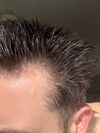
The user experienced anxiety and heart pounding from oral minoxidil, despite its effectiveness, and switched back to topical minoxidil. After managing anxiety, they found oral minoxidil more effective, but side effects differ for each person.
The user is frustrated with ongoing hair loss despite using treatments like dutasteride, finasteride, and minoxidil, and is considering shaving their head. They are advised to maintain consistency with medication, consider oral minoxidil, and explore hair transplant options.
A 34-year-old woman is experiencing diffuse hair loss and irregular periods, possibly due to long-term spironolactone use. She is considering minoxidil and finasteride for treatment and seeking medical advice for androgenic alopecia and hormonal imbalances.