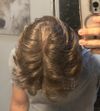
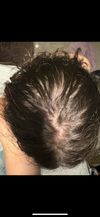
Botox injections on the scalp may help with hair loss, as one small study showed improvement in 8 out of 10 subjects. Treatments mentioned include Minoxidil, finasteride, and RU58841.
The user has been using topical minoxidil for over a year and added kx826/pyrilutamide to improve hair growth, avoiding finasteride due to side effects like lowered libido and panic attacks. They report positive results with reduced shedding and healthier hair, particularly in areas previously unresponsive to minoxidil.
The conversation discusses positive initial trial results for GT20029, a topical compound for hair loss that degrades androgen receptors, potentially requiring only weekly application. Participants express hope for this treatment to be more effective and convenient than current options like Minoxidil, Finasteride, and RU58841.
KX-826 Phase II results show that a 0.5% concentration performs better than 1% for treating male pattern baldness. Concerns about receptor upregulation from long-term DHT antagonism were mentioned.
A user is joining a clinical trial for Clascoterone, a drug approved for acne but being tested for hair loss. They previously tried finasteride with limited success and plan to share updates on their experience with the new treatment.
A user's 6 month hairline results from using dutasteride and microneedling, which resulted in successful regrowth of their thinning temples. Other users commented with similar experiences that were also achieved through the use of finasteride, dutasteride and minoxidil.
A user's experimentation with various hair loss treatments, including medications and topical applications; as well as their desire to experience unusual sensations through the use of drugs.
Exosomes combined with fractional picosecond laser treatment were effective in treating androgenetic alopecia and promoting repigmentation in white hair patches. The role of exosomes in hair repigmentation, particularly in conditions like poliosis, is not well-studied.
The conversation is about finding reputable clinics in Belgium, the Netherlands, France, or Germany for PRP with double centrifugation or exosome therapy for hair loss. The user seeks recommendations based on personal experiences or good reviews.
A user is participating in a phase 3 trial for Clascoterone, a topical acne medication that may stimulate hair growth, and will share results after 6 months. They will have a section of their hair shaved and marked with a tattoo for the study.
Hair loss and potential treatments, primarily focusing on Finasteride and Minoxidil. Other solutions discussed include PRP, dermarolling, LLP, and scalp tension relief.
The conversation discusses the less impressive results of Pyrilutamide (kx-836) in phase 3 compared to phase 2, with a suggestion that a longer study might show more significant results. One user reports personal success with Pyrilutamide, experiencing no further hair loss and gradual regrowth.
Microneedling promotes hair growth by increasing circulation and collagen production, with gains potentially lasting longer than those from minoxidil. Some users report sustained results after stopping microneedling, unlike with minoxidil and finasteride.
Autologous exosome treatment for hair loss is being discussed as an emerging option. Minoxidil, finasteride, and RU58841 are also mentioned as treatments.
The clinic diagnosed the user with NW3 and AGA, noting thinning hair despite using finasteride for 3 years, and suggested PRP and Mesotherapy before considering a transplant. The user questions the necessity of these treatments without confirming retrograde alopecia and its treatability.
A 19-year-old male has been using topical finasteride and minoxidil for 8 months with no progress and is considering seeking a second opinion due to potential misdiagnosis. The discussion revolves around whether the hair loss is due to male pattern baldness, alopecia areata, or a vitamin deficiency.
A user discusses their rapidly receding hairline and a prescribed topical solution containing 7% Minoxidil, 0.1% Finasteride, and 3% biotinoyl tripeptide. The solution is a custom compound from their dermatologist, costing $50 for a one-month supply.
Taurine shows potential in combating hair loss caused by chemical stress, especially when combined with other treatments like finasteride. Finasteride demonstrated better stress-reducing effects in the study.
User noticed tiny dots on their head after using 0.5% dutasteride and 8% minoxidil, which others identified as developing hair follicles. Encouragement was given to continue the treatment.
Minoxidil's effectiveness is limited by the need for sulfation and proper transport to hair follicles, with tretinoin potentially enhancing its effects by promoting enzyme activity and keratinocyte differentiation. Tretinoin may improve minoxidil's response by boosting the expression of necessary enzymes and transporters.
Tazarotene shows potential as a standalone treatment for hair regrowth by stimulating new hair follicle formation and promoting angiogenesis, similar to microneedling effects. It can be used topically without minoxidil, but users should start with a low concentration to avoid irritation.
Kintor Pharmaceutical's stock rise suggests potential positive news about Pyrilutamide, a topical anti-androgen. GT20029 may also compete with existing treatments like finasteride and dutasteride.
The user reports progress in hair regrowth using finasteride every other day, topical minoxidil once daily, ketoconazole twice a week, and Vitamin D3 with zinc. They note improvement in temple areas and the appearance of baby hairs.
This conversation is about a user who has been using Minoxidil for nine months and just noticed hair growing on the inner part of their arms. Responses to this post suggest that they should continue using it, with an increase in frequency from 5% twice a day, as well as trying finasteride if needed.
A trial of verteporfin for hair regeneration, with pictures comparing the original and current status, as well as links to other resources discussing the efficacy of this treatment in combination with Minoxidil, Finasteride, and RU58841.
A 23-year-old user shares their hair regrowth journey, questioning if genetics or other factors are at play. They use Rogaine, finasteride, vitamin B12, biotin, Thera M Plus, and derma stamping, and seek advice on their regimen and hair growth patterns.
The user shared progress after two months of using finasteride, serioxyl, and NOOANCE casque Pro for alopecia. They are documenting their hair loss treatment journey.
The conclusion of this conversation is that the user, NickkSpirit, had a successful hair transplant with 1500 grafts. They recommend leading a healthy lifestyle and mention using finasteride and minoxidil as treatments for hair loss.