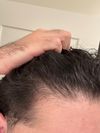
The user experienced hair thinning despite using finasteride and switched to a ketoconazole shampoo without sulfates to address scalp itching and dandruff. They hope this will stop further hair thinning.
A mid-30s individual is experiencing hair loss at the front and temples but not the crown, and is seeking affordable treatments. They have ordered pumpkin seed oil capsules due to cost and side effects concerns with official treatments.
A person is experimenting with microneedling on one temple while using Minoxidil to address hair loss. They plan to needle weekly and apply Minoxidil twice daily, avoiding application around needling sessions.
A 20-year-old has been using 1mg of dutasteride daily, caffeine shampoo, Nizoral shampoo 2-4 times a week, and pumpkin seed pills for hair growth, noticing regrowth since October. Initial shedding occurred, but improvements are felt, especially at the back of the hair.
Dutasteride takes 1-3 months to affect scalp DHT levels, not just a week. The prostate absorbs Dutasteride faster than the scalp due to different vascular networks and enzyme densities.
The conversation discusses using Sandalore for hair loss treatment, with a focus on finding the correct concentration for a topical lotion. The consensus is to start with a 0.1% concentration due to potential scalp irritation at higher levels.
Lichen Planopilaris (LPP), a form of permanent hair loss, which can be mistaken for seborrheic dermatitis and is characterized by scalp itching, burning, redness, and dandruff. Treatment options discussed include steroidal creams, finasteride, minoxidil, and RU58841.
The user started using 5% liquid minoxidil on their scalp and noticed increased facial dryness and faster facial hair growth. They plan to reduce the application to once a day to see if it helps with the dryness.
A user is considering using homemade hair sprays with ingredients like fenugreek seeds, rosemary, and lavender to promote hair growth, alongside topical minoxidil. Other users suggest that while these sprays may improve hair health, they are not as effective as minoxidil and finasteride for regrowing hair, and recommend using proven treatments like finasteride for better results.
The user experienced hair shedding after stopping minoxidil and resumed using minoxidil 5% twice daily, topical finasteride 0.1% twice a week, along with dermarolling, head pinching, deep massaging, and inversion techniques. They are seeking suggestions to maximize hair regrowth efforts and have observed some progress.
The conversation discusses coping with hair loss and the emotional impact of balding, with some users finding peace in shaving their heads. Treatments mentioned include minoxidil, finasteride, and lifestyle changes like diet and exercise.
User on Dut, oral minox 20 mg, Saw Palmetto, Pumpkin Oil, RU, 8% topical minox, and topical fina for hair loss; top of head improves, but retrograde alopecia worsens. Asks for options besides exosomes and where to find topical melatonin.
A user reported that using 0.5 mg finasteride daily, biotin, Nizoral shampoo, and occasional castor oil scalpmassages stopped their hair loss after six months. Another user expressed hope for similar results with castor oil.
The user has been using Minoxidil and Spiro for hair loss treatment but reduced the Minoxidil dosage due to side effects, leading to increased hair loss. They are considering adding the Inkey List caffeine stimulating scalp treatment to their routine and are seeking advice on its safety and effectiveness when used with Minoxidil.
The conversation is about hair loss treatments, specifically discussing the effectiveness of shampoos with Minoxidil and DHT-blocking properties. Users suggest using Minoxidil, tretinoin, and microneedling for hair regrowth, while recommending ketoconazole shampoo for scalp health.
User tried microneedling with min and fin for hair loss, experienced inflamed scalp and dandruff. Recommends proper disinfection of microneedler to avoid issues.
Woman with AGA uses microneedling, minoxidil, spiro, and laser for hair loss. Experiences redness and tenderness for three days after microneedling with Dermapen M8, asks if it's normal and the correct speed setting.
The conversation discusses the effectiveness of Vichy's Dercos shampoo, which contains aminexil, niacinamide, AHA, and Vitamin E, for hair issues. One user mentions success with Vichy's serum containing 1.5% aminexil in reducing hair shedding.
The post is about a user starting a hair loss treatment using finasteride, micro needling, and nizoral. The conversation includes supportive replies from other users.
The conversation is about restoring hairline and temples using finasteride, micro-needling, and Ketoconazole shampoo, with suggestions to add minoxidil despite its side effects. A hair transplant is considered likely necessary for significant restoration.
A 30-year-old male successfully stopped hair loss and improved hair density using red light therapy, saw palmetto, vitamins, L-Arginine, fish oil, derma rolling, and specific shampoos, after experiencing negative effects from minoxidil and finasteride. He emphasizes focusing on blood flow and natural remedies, noting significant improvements in hair and beard fullness.
The user is using ketoconazole shampoo, 5% minoxidil, and microneedling for hair loss treatment. It's suggested that adding a DHT suppressant like finasteride could improve results.
Finasteride use can lead to drier hair and scalp, increased dandruff, and changes in hair texture. Some users manage these effects with products like Nizoral and oils.
Rosemary oil is claimed to slow hair loss and improve hair thickness, but its effectiveness is debated, with some users preferring proven treatments like minoxidil and finasteride. Lifestyle factors and consistent use are suggested to enhance results, though skepticism about natural remedies remains.
The user uses finasteride, ketoconazole shampoo, and derma stamping for hair loss. They consider rosemary and castor oil as alternatives to minoxidil due to fewer side effects.
A user experienced reduced stress and improved hair appearance after getting a buzzcut while using finasteride, minoxidil, and microneedling. The user feels the haircut and treatments may have improved hair quality and filled in patchy areas.
A 27-year-old is using finasteride, minoxidil, microneedling, and Pilexil shampoo to combat hair loss, with plans to add Nizoral shampoo and light stimulation. Initial results show reduced hair loss and some hair thickening, despite a period of shedding.
Microneedling for hair loss, with users recommending a derma stamp over a roller to avoid scalp damage. Cleaning the derma stamp with rubbing alcohol is suggested for maintenance.
The conversation discusses homemade topical finasteride formulas, comparing two solutions with different proportions of alcohol and propylene glycol. The user seeks advice on which formula is gentler on the scalp, suggesting that less alcohol might be better.
The user noticed increased hair loss over the past three years and is seeking advice. A suggestion was made to consult a dermatologist or trichologist and consider blood tests, particularly for vitamin D levels, to address potential androgenetic alopecia (AGA).