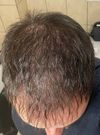
Hair therapy advertisements claim to use a mix of fallopia multiflora, ginseng, angelica sinensis, and vitex rotundifolia for hair growth. A user dismisses it as fake.
The conversation is about the preference for using a derma stamp over a derma roller for hair loss treatment, with users discussing its efficiency, needle material, replacement frequency, and personal experiences. Specific treatments mentioned include microneedling with a derma stamp.
The conversation discusses preventative hair care measures for hair loss, focusing on non-prescription treatments like rosemary, peppermint, castor oils, microneedling, and ketoconazole shampoo. It also touches on the use of finasteride, minoxidil, and RU58841 for those experiencing hair loss.
A vegetarian with IBS is considering reintroducing fish to improve gut and hair health due to protein concerns. Suggestions include adding tofu, avoiding vegan protein shakes, and considering a more carb/fat dominant diet.
The user experienced severe scalp itching after using RU58841 and ketoconazole shampoo, despite trying moisturizing treatments. They suspect the issue is related to the propylene glycol in the vehicle and are seeking alternatives.
30 y/o male started balding at 22, began treatment at 29 using oral dut, oral min, derma rolling, nizoral shampoo, and considering low level light therapy. Plans to monitor progress for 1-2 years and may get hair transplant or use hair system if needed.
The user experienced hair thickening and regrowth using dutasteride on alternate days, oral minoxidil every third day, and daily hair massages, but is dealing with dandruff and inflammation. They are considering adjusting their minoxidil dosage and have started using ketoconazole shampoo and cupping therapy for additional benefits.
The user is experiencing scalp itching despite using finasteride and Ketoconazole shampoo for hair loss and seborrheic dermatitis. They are unsure if the itch is due to their treatments, diet, or mental factors.
Cyperus rotundus oil is suggested as a natural treatment for androgenic alopecia, potentially inhibiting hair growth without affecting testosterone levels. The conversation questions its effectiveness and safety for scalp use.
Some individuals experience side effects from 5AR inhibitors like finasteride and are considering hair transplants without these medications, with some opting for surgeons like Dr. Zarev. Others are exploring alternative treatments and waiting for new medications in development, while some discuss managing side effects through lifestyle changes or additional medications.
Finasteride is essential for hair loss prevention, while minoxidil is optional. Additional treatments include a natural shampoo, a healthy diet, scalp massages, microneedling, laser therapy, and supplements like fish oils and biotin.
The conversation discusses using natural products like rosemary, tea tree, and aloe, along with a DIY coffee rinse to block DHT for hair regrowth, avoiding minoxidil and finasteride. Some users express skepticism about the effectiveness of natural remedies compared to conventional treatments.
Carnosic acid in rosemary extract may enhance skin repair and promote hair follicle regeneration. It could be used alone or with verteporfin for scarless healing after dermal wounding.
A 28-year-old male is experiencing hair loss, itching, soreness, and numbness on the scalp, with symptoms including dry, brittle hair and scalp irritation. Treatments tried include Nizoral, salt water, various oils, and antihistamines, with limited success; a chemist suggested a possible fungal infection, while a doctor suspected male pattern baldness.
The user is experiencing scalp irritation from a compounded treatment of finasteride, minoxidil, and tretinoin. They are considering switching to a non-alcohol, propylene glycol-free formula with a lower tretinoin percentage to reduce irritation.
Ecklonia cava is suggested as an alternative to finasteride and dutasteride for hair growth, potentially offering benefits without their side effects. It is promoted for anti-aging, mood enhancement, and cognitive support.
The conversation discusses using NAC and quercetin as supplements for hair loss, with some users also mentioning finasteride. NAC is highlighted for its potential benefits, but concerns about its safety and absorption are also raised.
The user is exploring alternatives to finasteride and dutasteride due to concerns about side effects, and is using rosemary and jojoba oil, ketoconazole, minoxidil, microneedling, multi-peptide serum, saw palmetto, and stinging nettle for hair loss. They are also considering CB 03 01 and spironolactone.
The conversation discusses using natural alternatives like saw palmetto, pumpkin seed oil, pygeum, and nettle extract for hair loss, alongside treatments like nizoral, dermastamp, red light, and rosemary oil. Opinions vary, with some users skeptical about the effectiveness compared to finasteride, and concerns about potential side effects.
A user asked if applying oil (olive, coconut, etc.) to the scalp for dryness and hair loss is effective, as recommended by a dermatologist. They expressed doubt about the advice and sought opinions on its usefulness.
The conversation discusses the potential of using topical estrogen treatments for hair loss without systemic absorption, highlighting challenges and possible solutions like using estriol. It also mentions other treatments like topical finasteride, microneedling, and scalp massage, while noting the limitations and side effects of current options.
The conversation discusses hair loss, genetics, and treatments like Dutasteride. It highlights the influence of genetics on hair loss, noting that indigenous people are less prone to it.
Progesterone, hydrocortisone butyrate, and estrone base are discussed as treatments for hair loss. Topical progesterone and dutasteride are suggested to potentially reverse androgenic alopecia.
The conversation discusses a hair loss regimen involving finasteride, dutasteride, minoxidil, RU58841, and various supplements like biotin, omega-3, vitamin D3, zinc, and magnesium. The user also uses dermastamping and topicals like ketoconazole and diclofenac, with mixed opinions on zinc's effect on hair loss.
The conversation humorously discusses using anal administration of Dutasteride as a novel method for treating hair loss, suggesting it could target DHT production more effectively. It includes satirical comments about the method's potential effects and absurd outcomes.
The conversation discusses treatments for scalp inflammation, suggesting options like scalp massage, changing shampoos, using aloe vera, Tgel, nizoral shampoo, topical cetirizine, and consulting a dermatologist. Finasteride was mentioned as helpful for reducing inflammation, but with side effects.
Be skeptical of claims about new baldness cures; current treatments like finasteride, dutasteride, and minoxidil remain the best options. New products like Breezula and PP405 lack compelling evidence and may not be available soon.
The user is considering taking ashwagandha while on finasteride to manage side effects, noting it reduces stress but may cause hair thinning. They are unsure if the thinning is due to ashwagandha or normal shedding from finasteride.
Topical RU58841 is discussed for hair loss treatment, with a focus on brands available in Europe that have low systemic absorption. Users suggest mixing your own solution to control vehicle and dosage, and mention different brands like Actifolic and Biolabshop.