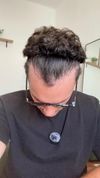
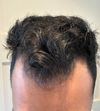
Creatine use with finasteride increased DHT levels, possibly affecting hair loss. The user plans to reduce creatine to stabilize DHT and hair shedding.
The user experienced significant hair loss after extended fasting, initially thought to be Telogen Effluvium, but later suspected male pattern baldness. They tried finasteride briefly but stopped due to concerns about side effects, and are unsure if the hair loss is due to Telogen Effluvium or another cause.
Shiseido's hair loss treatment reported only 5% regrowth, disappointing many. Users discussed other treatments like Minoxidil, finasteride, RU58841, and CB-03-01 as potential alternatives.
Finasteride users report reduced libido and increased hair shedding initially, but some see these as temporary or manageable side effects. Vitamin E and D-3 supplements are discussed as potential aids for libido and mood.
A 22-year-old male with high estrogen levels is considering finasteride for hair loss but is concerned about potential side effects due to his hormone levels and family history of diabetes. Users suggest consulting a doctor, possibly an endocrinologist, and considering lifestyle changes like diet and exercise to address visceral fat and insulin resistance before starting treatment.
PP405 is a promising new hair loss treatment that may reactivate dormant hair follicles without side effects. It could surpass traditional treatments like minoxidil and finasteride if successful in further trials.
PP405 is a potential hair loss treatment that inhibits mitochondrial pyruvate carriers, increasing lactate dehydrogenase activity and stimulating hair follicle stem cells. In a phase 1 trial, 31% of participants showed over 20% hair density increase with PP405 treatment.
Creatine does not increase DHT levels, but some report hair loss when using it, possibly due to other factors. The effects on hair loss vary individually, with no clear connection established.
Scalp biopsies are crucial for diagnosing hair loss conditions like Diffuse Unpatterned Alopecia (DUPA) and retrograde hair loss, as treatments like finasteride and dutasteride may not be effective if other conditions are present. Combining PPAR-GAMMA agonists with retinoids could improve treatments for conditions like Lichen Planopilaris.
The post discusses a user's experience with hair loss treatments, specifically topical finasteride, minoxidil, and micro-needling, and their plan to switch to oral versions and add Dutasteride. The conversation includes various responses, with some users sharing their own experiences and side effects, and others expressing desire for a more permanent hair loss solution.
The conversation is about the lack of improvement in hair loss after using Pyrilutamide for 14 weeks, with the original poster unable to use Finasteride due to depression. Replies suggest that Pyrilutamide, like RU58841, may not work for everyone, and a more potent drug is being developed by Kintor.
The conversation discusses the potential of a new hair loss treatment, GT20029, which may prevent hair loss by destroying androgen receptors on the scalp. Users express hope for the treatment's success and speculate on its usage routine, effectiveness, and possible side effects.
A user's experience with hair loss treatments, including Finasteride, Minoxidil, Nizoral Shampoo, Rosemary Oil, Vitamin D, Biotin, Vitamin C, Zinc and Dermarolling, that have not been successful over the past 14 months. Other users gave advice on how to cope with the issue, such as exercising, changing mindset, and shaving their head.
Minoxidil and finasteride have stabilized hair loss but not significantly improved regrowth. The user is considering dutasteride, oral Minoxidil, or a hair transplant for better results.
A 33-year-old male shared his 3-month progress using 1mg oral finasteride and 2.5mg oral minoxidil, along with supplements and serums, reporting thicker hair and new growth in thinning areas without side effects. Users suggested considering dutasteride or a hair transplant for better results, while others encouraged continuing the current regimen for at least a year.
The user shared progress pictures of their hair loss treatment in Spain. They are using Dutasteride, Minoxidil pills, and a topical combination of Finasteride and Minoxidil.
A 26-year-old is starting a hair loss treatment using 1mg oral finasteride daily, 5% topical minoxidil foam twice daily, 2% ketoconazole shampoo weekly, and microneedling once a week. They noticed worsening hair loss over the past year and are seeking advice.
Clascoterone is promising for hair loss, showing 24.5% improvement in satisfaction compared to placebo. Users consider it an alternative to finasteride, with concerns about absorption and side effects.
There is an inconsistency between the molecular weight and formula listed on EveryChem's product page and the analytical PDFs for 3HP and PP30, suggesting a possible error in the product description. Concerns are raised about EveryChem's business practices and lack of transparency in testing and manufacturing.
Oral minoxidil can cause side effects like heart issues, increased body hair, and facial puffiness, but these are often dose-dependent and temporary. Users report varying experiences, with some combining it with finasteride or RU58841 for better results, while others experience minimal or no side effects.
Vitamin D supplementation may have led to slight hair regrowth and density improvement. Other treatments discussed include finasteride, minoxidil, and maintaining optimal vitamin D levels.
A 24-year-old male experienced hair loss regression after 3.5 years on topical finasteride and minoxidil. He is considering switching to topical dutasteride or oral finasteride due to concerns about side effects and is seeking advice on the efficacy of these treatments.
Hair growth caps and helmets using low-level laser therapy (LLLT) show potential for treating androgenetic alopecia, but more research is needed. Users often combine these devices with treatments like minoxidil and finasteride for better results.
PP405 is moving to late-stage trials, showing potential for hair regrowth, with 31% of male patients experiencing a 20% increase in hair density. Veradermics is developing an oral minoxidil version, and there is interest in combining treatments for better results.
A 25-year-old man is worried about his girlfriend noticing his balding and is frustrated by society's focus on looks. He uses minoxidil, finasteride, and dutasteride for hair loss and considers being honest with her.
PP405 is being discussed as a potential hair loss treatment, possibly more effective than minoxidil. There are concerns about its effectiveness and product contamination, but some users report early signs of hair regrowth.
A 29-year-old male is seeking advice on starting hair loss treatment and is considering using Minoxidil, Finasteride, or Dutasteride. He has not yet begun any treatment and is asking for tips based on his photos.
A 41-year-old South Asian individual feels hopeless about hair loss and cannot use oral finasteride or dutasteride due to existing gynecomastia. They are seeking advice on alternative treatments.
A trans man experiencing hair loss after starting testosterone treatment has seen positive results using topical minoxidil and finasteride, though his hair remains thin. He is considering continuing his current treatment and exploring additional options like microneedling and Breezula, while acknowledging the impact of testosterone on hair loss.
The user shared a 6-month progress update on hair loss treatment using Dutasteride (0.5mg), Minoxidil (5%), and Dermanator 2. They reported improved hair density and coverage, especially in the crown/mid-scalp, and are focusing on enhancing the hairline.