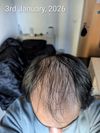
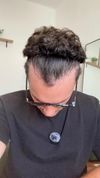
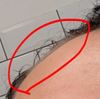
Microneedling for hair restoration involves daily use of a 0.3 mm device and weekly use of a 0.5 mm device. Combining microneedling with Minoxidil can enhance hair growth.
The user's experience and success with taking finasteride to treat hair loss, which is confirmed by other users who have taken it without side effects. The user also advises that consulting a doctor before starting any kind of treatment for hair loss is important, as opposed to relying on self-made remedies available online.
A user who shared progress pictures of their scalp using a microscope camera, demonstrating the difference between healthy and miniaturized hair. Various explanations for the cause of this were discussed, such as DHT build-up in scalp sebum causing an autoimmune response leading to inflammation and eventual hair loss, with some suggesting a do-it-yourself treatment involving adding ascorbic acid powder to shampoo.
Hair loss prevention and regrowth regimen includes finasteride, oral minoxidil, stemoxydine, hair growth serum, derma rolling, and ketocanazole shampoo. Users discuss efficacy, safety, and personal experiences with treatments.
User experienced hair regrowth with minoxidil and dermarolling for 3 months. Routine includes applying 1ml minoxidil nightly and dermarolling with 0.5mm needles twice a week.
A user reported success with RU58841 and a 1mm derma roller for hair regrowth, noting significant improvement in hair density and reduced scalp visibility. They also mentioned using minoxidil and black castor oil in the past, with mixed results.
Using topical finasteride with creatine might help reduce hair loss by targeting local DHT while maintaining normal systemic levels, but results are uncertain without testing. Users report mixed experiences with topical treatments like finasteride, dutasteride, RU58841, and minoxidil, with some seeing regrowth and others experiencing side effects.
A woman experiencing hair loss due to high testosterone and low vitamin D is using treatments like Dutasteride, Rogaine, zinc, ketoconazole shampoo, dermastamp, iRestore, multivitamins, scalp massager, and vitamin D. She plans to switch to oral Minoxidil under medical supervision.
A 17-year-old is considering finasteride for hair loss but is advised to wait due to potential hormonal effects at a young age. Alternatives like minoxidil, micro-needling, vitamins, and lifestyle changes are suggested instead.
Hair thinning possibly due to rapid weight loss and dietary changes, with no nutrient deficiencies found. The user is taking vitamins and considering seeing a hair specialist to promote regrowth.
Male androgenetic alopecia is commonly treated with topical minoxidil and oral finasteride, both requiring continuous use. Other options include hair restoration surgery, dutasteride, light therapy, and camouflaging agents.
Fighting hair loss with "The Big 3" treatments of Propecia, Rogaine and Nizoral shampoo, as well as specific advice on how to use these products. People have shared their long-term success stories and some have discussed the side effects of finasteride. Other suggestions included Lipogaine and Pura D'or Hair Loss Prevention Therapy Shampoo & Conditioner.
The user shared progress pictures of their hair loss treatment in Spain. They are using Dutasteride, Minoxidil pills, and a topical combination of Finasteride and Minoxidil.
A 26-year-old is starting a hair loss treatment using 1mg oral finasteride daily, 5% topical minoxidil foam twice daily, 2% ketoconazole shampoo weekly, and microneedling once a week. They noticed worsening hair loss over the past year and are seeking advice.
Oral minoxidil can cause side effects like heart issues, increased body hair, and facial puffiness, but these are often dose-dependent and temporary. Users report varying experiences, with some combining it with finasteride or RU58841 for better results, while others experience minimal or no side effects.
Dutasteride tablets from India are significantly cheaper than those from pharmacies, but there are concerns about authenticity and customs issues. The user is also using oral minoxidil, finasteride, and RU58841 for hair loss treatment.
The user shared their 2-year hair regrowth journey using oral finasteride, oral and topical minoxidil, and later adding dutasteride. They noted significant hair thickening, especially after starting oral minoxidil and dutasteride, despite some initial thinning and texture changes.
The user switched from finasteride and topical minoxidil to dutasteride and oral minoxidil due to lack of results. They are hopeful about dutasteride but are prepared to stop all medication if it doesn't work, as they have aggressive hair loss genetics.
The user is considering postponing a scheduled hair transplant to see if finasteride and minoxidil treatments improve hair growth. Another user suggests waiting several months to assess the effectiveness of the medications before deciding on surgery.
Use finasteride or dutasteride with minoxidil for at least a year to improve hair density before considering a hair transplant. A transplant might be needed if medications don't provide sufficient regrowth.
Finasteride is seen as risky for men due to side effects like erectile dysfunction, while hormonal birth control for women is normalized despite its side effects. The discussion points out a double standard influenced by societal and gender norms.
Vitamin D supplementation can aid hair regrowth for some, but results differ. Combining vitamin D with finasteride and minoxidil often improves hair thickness, though not for everyone.
The post discusses the theory that persistent dandruff in areas prone to hair loss could be a sign of hair follicles dying due to DHT, indicating balding. The responses vary, with some users noting improvements in dandruff and hair loss with treatments like Dutasteride, while others experienced hair loss without dandruff.
A user's experimentation with various hair loss treatments, including medications and topical applications; as well as their desire to experience unusual sensations through the use of drugs.
After 4 months on oral minoxidil with no significant hair regrowth, a user is frustrated and considering alternative treatments since they can't take finasteride due to side effects. Suggestions include natural DHT blockers, lifestyle changes, and other hair care tips.
Oral minoxidil can cause rare facial bloating, especially at higher doses and in women. Reducing sodium intake, drinking more water, and adjusting the dose can help manage side effects.
There is no imminent cure for hair loss, but treatments like Minoxidil, Finasteride, and new drugs such as KX-826, GT-20029, and PP405 are being explored. Current solutions focus on slowing hair loss and stimulating growth, with hopes for better options in the future.
Dutasteride is often blamed for worsening hair loss, but initial shedding may lead to improvement, requiring patience. Some users find success with dutasteride, finasteride, and minoxidil, while others experience side effects or no improvement.
Some users experience worsening hair loss with dutasteride and improvement after switching back to finasteride, while others find better results with dutasteride. The effectiveness of treatments like finasteride, dutasteride, minoxidil, and RU58841 varies, requiring individuals to try different combinations or dosages to find what works best.
Oral minoxidil and finasteride effectively improved hair growth and stopped hair loss, with no major side effects. The user switched from topical to oral minoxidil, added finasteride, and later transitioned to dutasteride, experiencing regrowth and thicker hair.