Hair loss theories discussed include poor blood flow, scalp tension, inflammation, and DHT. Treatments mentioned are massaging scalp, minoxidil, finasteride, and RU58841.
A woman discovered her long-term hair loss was due to undiagnosed anemia, with ferritin levels as low as 9. After starting iron supplements, she saw significant hair regrowth, especially in previously bald areas, though some spots remain unchanged.
The post and conversation are about microneedling as a treatment for alopecia. It provides a comprehensive review of scientific literature on the technique and its application.
Natural remedies to treat hair loss, such as polyphenols, apple peel extract, grape seed extract, green tea extract, peppermint oil, pumpkin seed oil, apigenin, Ginkgo biloba, red clover extract, olive leaf extract, Ecklonia Cava and Grateloupia elliptica. In addition, terpenes, carotenoids, and tocopherols were discussed as potential treatments.
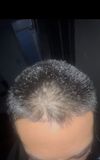
A user shared early positive results after 51 days using finasteride, minoxidil, a DHT blocking shampoo, biotin gummies, and dermarolling to treat hair loss. They noticed new vellus hairs and improved hair density, and provided photos as evidence.
A user shared that taking vitamin E, specifically tocotrienols, seemed to reduce their hair shedding, and they are also using finasteride, minoxidil, and derma rolling for hair loss. Another user cautioned against high doses of vitamin E due to potential health risks.
The user experienced noticeable hair regrowth, especially at the hairline, after using Minoxidil, microneedling, vitamins, and specific shampoos for 2-3 months. They are considering adding finasteride but are hesitant due to potential side effects.
Peppermint oil and olive oil are being used to potentially improve hair growth, with some initial observations of stronger, thicker hair. Another user is using a mix of peppermint, coconut, castor, and rosemary oils, noting healthier and softer hair but no significant regrowth yet.
The user is treating hair loss with dermarolling, a laser helmet, scalp massages, and Nizoral. They stopped using minoxidil and finasteride and are considering pumpkin seed oil and sulforaphane.
Eating 1g of broccoli seeds five days a week may help with hair regrowth due to their high sulforaphane content. However, caution is advised due to potential health risks from erucic acid in the seeds.
A user is considering a 3-in-1 capsule containing Finasteride, Minoxidil, and Biotin for hair loss. Concerns are raised about Biotin's impact on the effectiveness of Finasteride and Minoxidil, and the cost is unclear without logging in.
The conversation is about hair loss treatments and vitamin recommendations. The user is using finasteride, minoxidil, biotin, pumpkin seed oil with saw palmetto, men's multivitamins, and is considering adding D3 + K2, Omega 3, Co-Q10, and magnesium glycinate.
Biotin supplements are considered ineffective for hair loss and are not supported by evidence. People in the conversation have mixed experiences, with some noting benefits for nails and skin but not hair, while others continue to use biotin as part of their vitamin regimen.
Adding vitamins like zinc, iron, biotin, and vitamin D to finasteride and minoxidil may help with hair loss. Some users are skeptical about the study's validity due to its precise numbers.
The user is using finasteride, HGH, GHK-CU, BPC-157, KPV, biotin/collagen/keratin vitamins, ketoconazole shampoo, and low-dose naltrexone to address hair loss, avoiding minoxidil due to past shedding experiences. Adenosine is discussed as a potential alternative to minoxidil, though it is noted to be expensive and hard to find.
The user is planning a hair transplant with a budget of £3,800–£4,000 and is considering 2,500–2,700 grafts for a natural hairline and fuller temples. They have been using finasteride and minoxidil for a year and are seeking recommendations for surgeons or clinics in affordable European destinations.
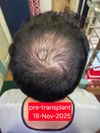
A 28-year-old male shares his 7-month progress after a crown hair transplant, using topical minoxidil foam, finasteride, and microneedling. He seeks feedback on whether his crown's progress is typical and if further thickening is expected between months 7 and 12.
A 19-year-old is experiencing worsening hair loss and severe seborrheic dermatitis despite using finasteride for six months. Nizoral (ketoconazole) is no longer effective, and they are seeking over-the-counter solutions and advice for an upcoming dermatologist visit.
The user experienced noticeable hair regrowth after using finasteride for 5 months and oral minoxidil for 3 months. They are considering adding microneedling to their routine and report no significant side effects.
A 43-year-old man noticed hair thinning due to stress and started using Minoxidil, supplements, and specific shampoos, seeing improvement after 7 months. He is hesitant to add Finasteride due to fear of side effects but is managing stress better and feels more confident.
The user started finasteride and minoxidil in 2023 and added other treatments like ketoconazole shampoo and a Theradome helmet, noting some improvement but also experiencing fluctuations in hair density. They are considering adding low-dose dutasteride to their regimen and are seeking advice on distinguishing between normal hair changes and actual hair loss progression.
A 30-year-old considering a hair transplant has been using treatments like oral Minoxidil, Dutasteride, topical Minoxidil, copper peptide serum, red light laser therapy, microneedling, and vitamin therapy for hair loss. They are advised that a hair transplant is still an option, but maintaining current treatments is crucial to support the transplant and prevent further hair loss.
The user shared progress pictures of their hair loss treatment in Spain. They are using Dutasteride, Minoxidil pills, and a topical combination of Finasteride and Minoxidil.
The user is considering switching from finasteride to dutasteride and possibly using oral minoxidil to address hair loss, having seen some progress with topical treatments and microneedling. They are also contemplating a hair transplant in the future and seeking advice on obtaining medications in Italy.
Copper peptides may help with hair thickness and health, but their effectiveness in reducing DHT is uncertain. Minoxidil is being used, but finasteride is not available due to legal restrictions; ketoconazole shampoo is recommended for managing Malassezia-related issues.
Dermatologists have differing opinions on hair loss treatments, with some using topical dutasteride, oral minoxidil, exosome therapy, PRP, and various other therapies. The user plans to use a topical solution of dutasteride, minoxidil, tretinoin, PRP, and LLLT.
People are discussing the cost of oral finasteride and minoxidil for hair loss, with prices varying by location and source. Some users suggest buying higher-dose pills and splitting them to save money, while others mention using online services like Mark Cuban's Cost Plus Drugs for discounts.