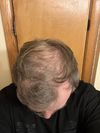
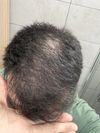
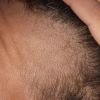
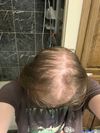
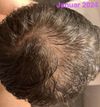
A 35-year-old is seeking advice on hair loss treatments, considering minoxidil, finasteride, and possibly a hair transplant in Turkey. They have previously tried microneedling for a year.
The routine involves using minoxidil, dermapen, and tretinoin for hair loss, with minoxidil applied daily and tretinoin used on alternate days. It is suggested to avoid using tretinoin and dermapen on the same day to prevent irritation.
A 30-year-old male is considering finasteride or a hair transplant for hairline recovery after 3 months of using Minoxidil foam without seeing regrowth. Another user advises against a hair transplant, suggesting it's too early.
A 30-year-old shared their successful hair restoration journey using a combination of liposomal topical finasteride and minoxidil, vitamins, and a second hair transplant in Greece, resulting in life-changing improvements without side effects. The user emphasized the importance of proper research for hair transplant clinics and expressed gratitude for finding an effective treatment protocol.
The user is likely at Norwood 4 and is advised to use oral finasteride and topical minoxidil, with the option of a hair transplant after two years for a better hairline. Finasteride and minoxidil are considered sufficient to maintain and slightly improve current hair.
The user is likely at Norwood level 3 with thinning at the crown and temple recession. Treatments like finasteride or minoxidil are suggested to manage hair loss.
A 30-year-old male is considering switching from topical to oral minoxidil after two months of use on his temples, while also using dutasteride every other day. A user suggests oral minoxidil might be more effective but warns of potential side effects like fluid retention and lower blood pressure.
Topical finasteride with minoxidil can be effective but may not match oral finasteride results, with less absorption into the bloodstream. Shedding is common when starting or stopping minoxidil and finasteride, and adding dutasteride and tretinoin can enhance effectiveness by improving absorption and DHT inhibition.
A 33-year-old is considering using Minoxidil and Dutasteride for hair loss but is hesitant due to concerns about long-term commitment and side effects. They are advised to consider starting with topical treatments to assess their response.
The user is starting microneedling for hair loss and is concerned about cleaning the needles and post-treatment care, including sun exposure and applying products like rosemary oil. They use a microneedling pen and are seeking advice on timing and technique.
Dutasteride studies for hair loss are often sponsored by GlaxoSmithKline, raising concerns about potential bias. Despite this, some users report positive results with dutasteride and oral minoxidil, while others remain skeptical of industry-funded research.
A 22-year-old male has been using Minoxidil for 2.5 years and Finasteride for 8 months without significant improvement in hair loss. Despite adding supplements and other treatments, hair density remains low, and he seeks advice on further options.
A 29-year-old shared their hair recovery progress using a liposomal topical finasteride/minoxidil solution, LLLT helmet, and vitamins, noting that transplants were only on the hairline. They highlighted the effectiveness of their regimen and addressed skepticism with photos.
KY-19382, an indirubin derivative, is discussed for its potential to stimulate hair growth and create new hair follicles. The conversation seeks experiences with synthesizing, topically applying, or orally administering KY-19382.
A 25-year-old is considering starting Minoxidil and finasteride for hair loss. Another user suggests it's hard to advise without knowing the person's hair history.
A 17-year-old has been using Minoxidil for 3 months and dermastap for 2 weeks but feels they are losing progress. A suggestion was made to add finasteride 1 mg three times weekly.
VDPHL-01 is essentially a slow-release oral minoxidil, which is already known to work for hair growth. The formulation includes other ingredients like Medrogestone, Valproic acid, Setipiprant, and Cetirizine, but their effectiveness and necessity are questioned.
A 34-year-old male shares a nine-month update on hair loss treatment using 1.25mg oral finasteride daily, 5% topical minoxidil 5-7 times a week, and 1% ketoconazole shampoo twice a week. He reports stopping diffuse thinning and regaining crown density, though his hairline may require a transplant.
The conversation discusses past and current hair loss treatments, with the user reflecting on expensive peptide treatments like topical Dutasteride, Latanoprost, and others, which were ultimately deemed less effective than oral Dutasteride and Minoxidil. The user now prefers the latter due to their cost-effectiveness and efficacy.
The user is using oral Minoxidil 2.5 mg, oral Finasteride 1 mg, and a 2mm derma roller for hair loss but feels discouraged by the lack of results after a month. They are seeking advice and considering additional methods like antiandrogens, exercise, and dietary changes.
Dutasteride can be taken daily or weekly, depending on individual goals and side effect tolerance. Daily use maximizes suppression, while less frequent dosing reduces side effects.
The conversation discusses the effects of B5 (Pantothenic acid), B7 (Biotin), and B12 on hair loss. Specific treatments mentioned include Minoxidil, finasteride, and RU58841.
A hair loss product containing ingredients like saw palmetto, biotin, vitamin D, and others, which claims to promote healthy hair growth and support men's health. However, user reviews are mixed, with some experiencing side effects like mood swings and nausea, and others questioning its effectiveness compared to a simple multivitamin.
The user is treating hair loss with topical Minoxidil, Finasteride, RU58841, microneedling, and Ketoconazole. For grey hair, they use L-Cysteine, L-Methionine, and PABA, and have noticed some re-pigmentation.
The conversation discusses a study comparing pumpkin seed oil and 5% minoxidil topical foam for female pattern hair loss. The user is curious about the application regimen of pumpkin seed oil used in the study.
Oral finasteride is recommended over topical finasteride for men in the Indian subcontinent, with no reported side effects. Minoxidil and dermarolling are also suggested, while dietary supplements and topical finasteride are deemed less effective.
A 15% discount is offered on hair research products like RU58841 and TEMPOL at Chemyo.com. The legality of selling these compounds is confirmed by the seller.