The conversation discusses using oils like pumpkin seed, rosemary, peppermint, and grape seed oil for hair regrowth, claiming they can be as effective as finasteride or minoxidil without side effects. Some users remain skeptical and prefer proven treatments like minoxidil.
A 15% discount is offered on hair research products like RU58841 and TEMPOL at Chemyo.com. The legality of selling these compounds is confirmed by the seller.
A woman experiencing hair loss at 30 discusses treatments like Rogaine (Minoxidil) and Spironolactone. Others share experiences with hair loss, mentioning treatments like Minoxidil, Nizoral, and scalp oils.
An arthritis drug, baricitinib, is discussed as a potential treatment for autoimmune alopecia, not androgenetic alopecia. Ritlecitinib is also mentioned as a possible treatment for scarring alopecia.
The user has experienced solid regrowth after 8 months on finasteride and is considering adding minoxidil to the regimen. They are contemplating whether to continue this treatment for a year or opt for a hair transplant.
Breezula's effectiveness is uncertain, with some users skeptical about its potential and others noting its recent availability on the grey market. A user reported success with a stack of Dutasteride (oral), Minoxidil (topical), and RU58841 (topical), achieving significant hair improvement after 18 months.
The user reported tiny hair growth in thinning areas and improved thickness after 56 days of using 1 mg oral finasteride, 2.5 mg oral minoxidil, and a serum with Redensyl, Anagain, Capixyl, and Procapil. They also take supplements and maintain a healthy lifestyle with no noticeable side effects.
The user has been using finasteride for 15 years but is noticing increased hair loss. They are considering increasing the finasteride dosage or switching to dutasteride but are concerned about side effects; they previously stopped using minoxidil due to heart palpitations.
There is an inconsistency between the molecular weight and formula listed on EveryChem's product page and the analytical PDFs for 3HP and PP30, suggesting a possible error in the product description. Concerns are raised about EveryChem's business practices and lack of transparency in testing and manufacturing.
The user shared a 4-year hair loss treatment update using oral minoxidil and dutasteride, reporting significant hair regrowth and improved hair quality. They started with finasteride before switching to dutasteride and experienced fast results in the first year, with continued improvements in hair thickness over the past two years.
A 20-year-old noticed hairline changes after using testosterone and started finasteride to address it. They are considering using minoxidil but are advised to monitor progress on finasteride first before adding it.
The user has been using finasteride for 18 months and minoxidil for 9 months, recently switching to dutasteride, but still struggles with hair growth at the hairline. They are considering taking creatine and are unsure if it would be a bad idea.
An 18-year-old is seeking advice on hairstyles to manage and conceal thinning, fine hair. They are looking for a style that boosts confidence and addresses their long-standing insecurity.
PP405's phase 2a trial results were presented, focusing on safety and pharmacokinetics, with a future meeting planned to share the full dataset. The trial includes a randomized controlled portion and an open-label extension, with no indication of phase 2B completion.
The user is experiencing hair thinning at the front of the scalp and is seeking advice on regrowing long curly hair. They are considering treatments like Minoxidil, finasteride, and RU58841 to prioritize hair regrowth.
A 19-year-old experiencing diffuse thinning on the top of the head has seen some improvement with ketoconazole but is considering starting finasteride. They are seeking advice on whether to begin this treatment as they approach their 20th birthday.
The user is seeking advice on sourcing finasteride, dutasteride, and minoxidil, as their doctors are unwilling to prescribe both finasteride/dutasteride and minoxidil simultaneously. They are also looking for sources of GHK-Cu and RU58841 in the USA, with suggestions including using services like Hims, ro.co, and Musely.
The user reported healthier, firmer, and thicker hair follicles with minimal regrowth at the front after using Regenera Activa, topical finasteride, minoxidil, tretinoin, caffeine solution, and vitamin D supplements. Hair loss has stabilized with no side effects.
A 19-year-old is experiencing hair thinning and recession above the temples, causing stress and consideration of starting finasteride despite financial constraints. They are unsure whether to begin treatment immediately or wait to assess the situation further.
The user is concerned about starting finasteride due to ongoing body development and seeks alternatives to maintain hair until age 25. They are considering options other than finasteride for hair loss management.
An 18-year-old with diffuse hair thinning is considering switching from a topical Minoxidil 10% + Finasteride 0.1% solution to Minoxidil 5% foam and oral Finasteride 0.5mg, while also addressing vitamin D deficiency and potential scalp inflammation. Users suggest using Nizoral shampoo for inflammation, considering dutasteride for better results, and maintaining vitamin D levels to protect hair follicles from DHT.
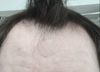
The user is concerned about potential hair thinning after getting a buzzcut and shares photos for comparison. A suggestion is made to consult a dermatologist for a proper diagnosis.
Significant hair regrowth was achieved after 4.5 months using 0.5 mg Dutasteride and 5 mg oral Minoxidil. Tips on obtaining prescriptions and discussions on effectiveness and side effects were also shared.
Anti-hair loss shampoos, like the one with rosemary, quillaja, and jaborandi extracts, mainly support scalp health but are not effective for hair regrowth compared to treatments like finasteride or minoxidil. Ketoconazole 2% is noted as the only effective anti-hair loss shampoo, while others are often considered scams.
A 32-year-old male shared progress pictures after one year of using oral finasteride 1 mg and 10 months of oral minoxidil 5 mg for hair loss. He seeks advice on whether to continue treatment or consider a hair transplant.
The conversation discusses hair loss treatments, with the main focus on using Fluridil and considering switching to Pyrilutamide. Other treatments mentioned include minoxidil, topical finasteride, nizoral shampoo, and saw palmetto supplements, with advice to stick with Fluridil for at least six months before considering alternatives.
Common foods that may support hair growth include ginger shots, salmon, roasted chicken, spinach, tinned sardines, and grass-fed ground beef. Energy drinks are considered bad, and iced coffee is suggested as a possible alternative.
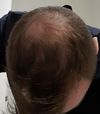
A 29-year-old male is seeking advice on starting hair loss treatment and is considering using Minoxidil, Finasteride, or Dutasteride. He has not yet begun any treatment and is asking for tips based on his photos.