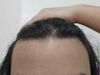
Bimatoprost 1% and 3% solutions showed better hair regrowth than minoxidil 5%. The user plans to test a homemade bimatoprost solution on their scalp and share results.
PP405 shows potential for hair growth, with 31% of advanced balding men experiencing over 20% increase in hair density in 8 weeks. However, skepticism persists due to selective data presentation and lack of long-term results, with comparisons to treatments like minoxidil and finasteride.
The conversation is about hair loss treatment progress using a combination of 0.1% finasteride, 0.025% tretinoin solution, and 2.5mg oral minoxidil. Users express positive reactions and hope for similar results.
The conversation discusses the mechanism of action of alfatradiol (17 alpha estradiol) in treating hair loss. It explores theories that it either inhibits 5 alpha reductase to prevent T->DHT conversion or aromatizes scalp T into 17-alpha-estradiol to save hair.
The user started balding at 16/17 and tried various treatments including minoxidil, finasteride, and dutasteride with little success. They recently started applying diclofenac gel to their bald areas and noticed some hair regrowth, attributing this to diclofenac's ability to lower prolactin levels and its anti-inflammatory effects.
A 31-year-old individual started taking finasteride 24 days ago to address hair thinning and loss, which has worsened their mood and stress. They have not yet added minoxidil and are experiencing significant shedding, contributing to sleep issues and insecurity about their hairline.
The conversation discusses the lack of public information on the chemical structure of PP405, a hair loss treatment, and the challenges of synthesizing it without a patent. It also explores a patent related to hydrogen-based topical formulations for reducing oxidative stress and inflammation.
Dr. Tsuji's stem cell hair multiplication procedure may offer a future solution for hair loss, but it is initially expected to be very expensive, with prices potentially decreasing over time. In the meantime, users discuss using treatments like finasteride, despite side effects, to manage hair loss.
The conversation discusses using brewer's yeast for hair regrowth, either as a supplement or in a scalp masque. The user is considering adding it to their regimen.
The user has been using oral Finasteride, Ketoconazole shampoo, and a dermaroller for 3 months, showing progress in hairline improvement. They are considering adding topical Minoxidil after evaluating the results from Finasteride.
Clinical studies by Dr. Barghouthi and Dr. Bloxham indicate that Verteporfin, when used with FUE and FUT hair transplantation methods, shows promise in hair follicle regeneration and minimal scarring due to its ability to inhibit Yes-associated protein (YAP). Microneedling at depths of 3-3.5mm, combined with Verteporfin, could potentially reactivate dormant follicles, although the optimal dosage and application method are still under investigation. Concerns remain about the DHT sensitivity of regenerated follicles, highlighting the need for further research to optimize trauma levels and Verteporfin concentrations to achieve effective and scar-free hair regeneration.
A user shared their positive experience with Roots by GA, a company that creates personalized hair loss treatments based on DNA analysis, which confirmed their inability to tolerate finasteride. The user is satisfied with their progress 30 days after a hair transplant and the customized formula they received.
Pyrilutamide did not show effectiveness in regrowing hair compared to a placebo, but it may still help maintain existing hair by preventing DHT from causing follicle miniaturization. Some users believe it could be beneficial when used with other treatments like minoxidil, finasteride, and dutasteride.
New hair loss treatments PP405 and VDPHL01 are discussed with skepticism and hope, alongside existing treatments like minoxidil and finasteride. Users express frustration over limited progress since the 1980s but remain cautiously optimistic.
The conversation discusses the delay in the PP405 Phase 2 study results, now expected by the end of 2025, and skepticism about research practices. There is also mention of optimism for Amplifica's AMP303 and a topical treatment in early testing.
A user on finasteride, minoxidil, dermastamp, and Nizoral is seeing baby hairs and asks if it's regrowth. Another user confirms it is regrowth and encourages them to continue.
A topical serum made from monounsaturated fatty acids showed rapid hair growth in mice within 20 days, but it remains experimental for humans. Users humorously discussed the frequent success of hair growth treatments in mice and expressed skepticism about translating these results to humans.
Clascoterone in Winlevi, a topical AR antagonist, is being re-examined due to concerns about HPA axis suppression in adolescents, but it's unlikely to be banned for adult use in androgenetic alopecia (AGA). The European Medicines Agency recommended refusing Winlevi for acne vulgaris, but this may not affect Breezula's approval for AGA.
The conversation discusses the differences between KB solution and PG + Ethanol solution for RU58841 in treating hair loss. It compares the effectiveness and properties of these two solutions.
A 24-year-old shares progress on hair regrowth after 3 months using 2.5mg oral minoxidil, 0.5mg dutasteride, and scalp injections of dutasteride, minoxidil, and vitamins every two weeks. They are uncertain if the improvement is due to actual regrowth or just longer hair.
A man's successful hair regrowth after using finasteride, minoxidil, microneedling, hair supplements, and scalp massages. He noticed significant improvements and is excited about future progress.
A 22-year-old male has been using oral finasteride (1.2mg) and oral minoxidil (2.5mg) daily for 3.5 months, along with vitamin D, fish oil, iron, and biotin, and reports significant hair growth without side effects. The user plans to continue the treatment and is considering cutting hair to assess progress more accurately.
A user shared their baseline bloodwork results before starting Finasteride 1mg every other day, seeking comparison with others who have done similar tests. They are interested in any changes observed after beginning the treatment.
A 21-year-old male is starting treatment for hair loss with 1mg Finasteride daily and 5% Minoxidil foam twice a day, along with other hair care products and supplements. He plans to document his progress monthly and is concerned about potential side effects from Finasteride.
The user is experiencing hair regrowth using topical 0.3% finasteride and 6% minoxidil, with no side effects noted. They are considering switching to oral treatments if progress stalls, but are currently satisfied with the results.
The user reported hair regrowth after using 1 mg finasteride daily for 4 months, foam minoxidil twice daily for 6 months, and 5000 mcg biotin daily for 4 months. Commenters are impressed with the results and some are considering starting finasteride after seeing the progress.
The conversation is about the difficulty in obtaining GT20029, a hair loss treatment, due to patent issues and the need to resort to group buys or Chinese labs for acquisition. Specific treatments mentioned include Minoxidil, finasteride, and RU58841.
The user started using finasteride, minoxidil, and a dermaroller three months ago and has shown significant hair regrowth. Others are considering similar treatments, with some already starting minoxidil.
New product Tomorrowlabs HSF targets hair loss through HIF pathway indirectly by removing scalp iron. Minoxidil and Stemoxydine also relate to HIF pathway.