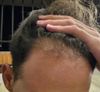
Vitamin D supplementation may have led to slight hair regrowth and density improvement. Other treatments discussed include finasteride, minoxidil, and maintaining optimal vitamin D levels.
The conversation discusses using GHK-Cu, C60, and saw palmetto oil as treatments for hair loss. Specific treatments mentioned include Minoxidil (Min), Finasteride (Fin), and RU58841 (RU).
Mixing rosemary oil and coconut oil for scalp application is discussed, with some users suggesting it may not be effective for hair regrowth compared to treatments like finasteride and minoxidil. Others mention that rosemary oil might have some benefits similar to minoxidil, but not as effective as pharmaceuticals.
Creatine monohydrate's potential link to hair loss, with mixed opinions on its effects. Treatments like minoxidil, finasteride, and RU58841 are discussed.
The conversation discusses using shou wu chih or fo-ti/he shou wu for hair loss, with OP noticing stiffer beard and body hair. A user warns about potential liver damage from fo-ti and questions the effectiveness of alternative medicine.
A user shared their hair loss experience and treatment routine, which includes using Minoxidil (5% Rogaine foam) and Dutasteride 0.5, along with various supplements and natural oils. They reported positive results and emphasized the importance of liver health and thyroid function, despite skepticism from others about the effectiveness of supplements.
Finding acceptance of hair loss through psychedelics, and the potential benefits of shrooms. Discussions include sharing experiences with minoxidil, finasteride, nutrafol, laser therapy, micro needling, as well as mental health concerns such as depression, suicidal thoughts, and self-esteem.
The user is experiencing positive hair regrowth results after 3 months using finasteride and minoxidil both orally and topically, along with biotin and ketoconazole. They also use a shampoo containing caffeine and biotin.
PP405 shows promise for hair follicle reactivation with minimal side effects. Users recommend continuing Minoxidil and Finasteride until more results are confirmed.
The user is seeking advice on improving their hairline, currently using dutasteride 0.5mg/day and oral minoxidil 5mg/day for 14 months. They want to avoid a hair transplant and are concerned about thin hair and receding temples.
Dr. Muñoz's discovery suggests that targeting potassium channels in fibroblasts could reactivate hair growth, offering new treatment possibilities for alopecia. Potential strategies include using minoxidil, diazoxide, and other potassium channel openers, as well as bioelectric devices and direct growth factor applications.
The user switched from topical to oral minoxidil (5mg daily) a year ago, saw no improvement, and experienced chest pain and trouble sleeping after stopping. They are considering whether to resume and taper the dosage due to stress and anxiety.
Breezula's phase 3 enrollment for hair loss treatment is complete, but results have not been published, causing skepticism about its progress. Some users express doubt about its future, suggesting it may be reserved for exclusive use.
Minoxidil, dutasteride, and copper peptides are used in a tattooing method for hair regrowth, with some users noting better results compared to oral treatments. Copper peptides are considered to have minimal impact, but the method may reduce side effects.
A user is frustrated with slow and thin hair regrowth at the temples despite using Minoxidil for six months, along with dermastamping, oiling, vitamins, and exercise. They are seeking advice on why vellus hairs are not thickening.
A 24-year-old male started using finasteride and minoxidil for hair loss, noticing reduced hair fall but continued temple and frontal recession. He uses both oral and topical minoxidil, biotin, vitamin D, and coal tar shampoo, and experiences rare heart palpitations.
Minoxidil 0.5% MMP® showed better results in parietal-vertex regions for less advanced female pattern hair loss compared to Minoxidil 5%. MMP® with Minoxidil can improve the quality of life for these patients.
The conversation is about making RU58841 solutions for hair loss treatment and sourcing ingredients for KB solutions. The user mentions using RU58841 powder from Shaanxi Greenyobiotech.
A 28-year-old is experiencing hair loss despite using treatments like oral minoxidil, finasteride, and high-dose dutasteride (2.5 mg). They suspect lichen planus might be contributing to the issue and plan to continue treatment while monitoring progress.
Low-dose oral minoxidil is used for hair loss and does not significantly affect blood pressure but may increase heart rate and cause hypotensive symptoms. Some users experience side effects like palpitations and shortness of breath, while others find it effective; topical minoxidil with tretinoin is also considered.
Treatment options for hair regrowth other than minoxidil or finasteride, due to side effects from the latter, with platelet-rich plasma and topical treatments being among the suggested alternatives.
A user shared their hair regrowth progress using oral finasteride, biotin, topical minoxidil, and DS thickening shampoo over five months, reporting significant improvements in hair texture and growth. They experienced minor side effects like a slight headache from switching minoxidil forms but noted no issues with finasteride.
Winlevi (clascoterone), a DHT blocker, is being considered for hair loss treatment, though it's primarily an acne medication. Users discuss its potential effectiveness and note it may only work for a short time.
The conversation discusses a prescription for hair loss treatment. Minoxidil is mentioned as a treatment that should be used daily, not just two days a week.
The user shares their experience with hair loss treatments, specifically finasteride, and discusses the side effects like lowered libido and motivation. They recommend trying tyrosine to counter these effects, noting it improved their libido and energy levels.
Hair transplants, oral finasteride, oral minoxidil, and dutasteride mesotherapy are highly effective for treating AGA hair loss. This combination can maintain and improve hair for most people, except those with very aggressive AGA.
User noticed black dots along the hairline and temples, questioning if it's regrowth. They are using a regimen including Dutasteride, oral and topical Minoxidil, and a compounded topical treatment.
The conversation discusses hair regrowth using dutasteride and oral minoxidil, with the user reporting significant improvement in hair volume after combining these treatments. Some side effects mentioned include changes in libido and increased facial hair, but overall, the user is satisfied with the results.