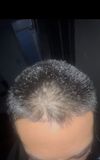
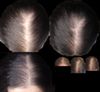
The user is considering using dutasteride or finasteride for hair loss and has recurrent folliculitis. Another user suggests treating the folliculitis and notes diffuse thinning.
A user shared their 46-day progress using oral finasteride, oral minoxidil, and ketoconazole shampoo for hair loss, noting significant improvement and no major side effects. They advised ensuring dermatologists understand diffuse thinning and expressed disappointment with their initial dermatologist's recommendations.
Hair regrowth after 13 weeks using topical minoxidil, oral finasteride, peptide shampoo, serum, and a red light hat. Some growth is attributed to a recent hair transplant.
A user shared their hair loss treatment routine, which includes oral and topical Minoxidil, dermarolling, Keto shampoo, multivitamins, Biotin, oils, protein intake, and water. Another user suggested adding finasteride and continuing the routine for 6-12 months.
A user has been losing hair for two and a half years after a tropical trip and illness. A dermatologist prescribed betamethasone valerate 0.1% lotion, but the user is unsure if it's safe or effective for general hair loss.
The user has been using minoxidil and finasteride for 7.5 months to address hair thinning, particularly at the crown and temples, and is considering additional treatments like tretinoin and dermastamping despite having chronic scalp folliculitis. They are experiencing progress but are concerned about side effects and the effectiveness of treatments on temple regrowth.
Tea Tree Special shampoo and Purador are discussed as alternatives to Ketoconazole shampoo for hair loss. Other anti-dandruff shampoos mentioned include those with Zinc Pyrithione, Salicylic Acid, and Selenium Sulfide.
Scalp massage significantly reduced hair loss for the user, who had been using finasteride without improvement. The user attributes the reduction in hair loss to the massage rather than the medication.
A user shares their hair loss treatment regimen, which includes oral finasteride, oral and topical minoxidil, RU58841, LLLT cap, microneedling, ketoconazole shampoo, biotin, vitamin D3, NAC supplement, MK677, collagen, and other hair care products. They seek opinions on its effectiveness.
Using 2% ketoconazole daily can dry out the scalp; 1-2 times a week is recommended. Combining ketoconazole with treatments like minoxidil, alfatradiol, and fluridil can help manage hair loss effectively.
The user is seeking advice on their hair loss routine, which includes using Nizoral, Nioxin, T-gel shampoos, Equate 5% Minoxidil, and quartered Generic Proscar 5mg, along with microneedling. They are unsure about the frequency and order of shampoo use, the application of Rogaine, and the use of essential oils like sandalwood.
Ketoconazole shampoo is primarily used to reduce scalp fungus and inflammation, not to block DHT or androgen receptors. It may help with seborrheic dermatitis and improve scalp health, but its effects on hair loss are minimal compared to treatments like finasteride.
A user with diffuse hair loss for a decade tried various treatments, including LLLT Helmet, supplements, topicals, and hair transplants. They found relief from scalp inflammation and itching using a topical solution made from crushed Xeljanz pills mixed with ethyl alcohol.
A 21-year-old male is experiencing a receding hairline and has tried tea tree oil and hair growth shampoo without success. He is considering products from companies like Hims, Happy Head, and Dermose for treatment.
The user experienced continued hair loss and scalp itch despite using finasteride and switching to dutasteride. They sought advice on managing these issues, with suggestions including adjusting medication frequency and trying different shampoos.
User is using topical Minoxidil (100 mg/day) and Finasteride (1 mg/day) but experiencing hair growth everywhere except the top of the scalp. They seek advice on improving scalp hair regrowth.
A 33-year-old male has been using finasteride, minoxidil, ketoconazole shampoo, and recently added dutasteride, a minoxidil+tretinoin+azelaic acid solution, and derma stamping to treat hair loss for 5 months. There is confusion about the order of progress pictures, making it difficult to assess the treatment's effectiveness.
Nizoral, a ketoconazole shampoo, can cause scalp dryness and hair shedding if overused. Users discuss alternatives like Selsun Blue, finasteride, and dutasteride for managing hair loss and seborrheic dermatitis.
Anti-inflammatories like curcumin, quercetin, and vitamin E may help with hair loss when used alongside treatments like finasteride and dutasteride. Ketoconazole is also noted for reducing scalp inflammation and improving scalp health.
A woman is frustrated with her hair loss and the slow, ineffective healthcare system in Canada. She has tried treatments like minoxidil, doxycycline, and kenalog injections, but continues to experience painful inflammation and hair loss.
Vitamin E and K deficiencies due to exocrine pancreatic insufficiency may affect hair growth. A scalp biopsy is recommended to check for autoimmune-related hair loss.
A 19-year-old is experiencing worsening hair loss and severe seborrheic dermatitis despite using finasteride for six months. Nizoral (ketoconazole) is no longer effective, and they are seeking over-the-counter solutions and advice for an upcoming dermatologist visit.
The user experienced significant hair thinning and scalp irritation after three months of using topical finasteride. Suggestions include that shedding is normal before regrowth and switching to oral finasteride or addressing scalp inflammation might help.
The conversation is about hair loss treatments, specifically discussing the effectiveness of shampoos with Minoxidil and DHT-blocking properties. Users suggest using Minoxidil, tretinoin, and microneedling for hair regrowth, while recommending ketoconazole shampoo for scalp health.
Creatine may increase scalp DHT without affecting serum DHT, potentially speeding up male pattern baldness (MPB) for those genetically prone. Treatments mentioned include Minoxidil, finasteride, and RU58841.
A 25-year-old male with seborrheic dermatitis and hair thinning seeks advice on the severity of his condition and treatment options. Oral finasteride and oral minoxidil are recommended as the most effective long-term treatments.
The conversation discusses the frustration of having excessive body hair while experiencing scalp hair loss, with mentions of treatments like finasteride, minoxidil, and hair transplants using body hair. Users share experiences and advice, noting the role of genetics and DHT in hair growth patterns.
The user is experiencing stage 2 hair loss and thinning, noticing more scalp visibility with short hair. They are considering diet, yoga, scalp massage, supplements, and a serum recommended by their doctor, and questioning if it's safe to stop using the serum and whether to get a blood test since hair loss isn't a family trait.
Ketoconazole shampoo may help with scalp health and inflammation but is not a substitute for DHT blockers like finasteride. It is generally considered a minor addition to hair loss treatment, with varying opinions on its effectiveness.
Elevated PGD2 levels in bald scalp tissue may contribute to hair loss, and treatments like castor oil, finasteride, and minoxidil are discussed as potential solutions. Some users explore alternatives like oral castor oil and cetirizine for those who cannot use finasteride.