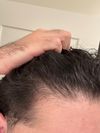
Baldness is often preventable with treatments like dutasteride, oral minoxidil, or finasteride. Many people fail to address it due to misinformation or lack of commitment.
The conversation discusses the benefits of combining scalp stem cell treatments and exohealer with RF microneedling before a hair transplant. The original poster recommends these treatments for better results.
A 19-year-old female with Diffuse Alopecia was advised by a dermatologist to use vitamin supplements, a hair serum, and antifungal drops, leading to some improvement. Other users suggested treatments like minoxidil, microneedling, and consulting a different dermatologist for further advice.
The user is experiencing hair loss and has been using treatments like minoxidil, finasteride, and ciclopirox olamine. Despite these treatments, they are concerned about increased shedding, dandruff, and possible additional hair loss conditions.
A 37-year-old male stopped using finasteride and minoxidil due to side effects and switched to derma rolling, scalp massaging, and Revita shampoo, resulting in thicker, healthier hair with new growth. Users discuss the effectiveness of mechanical scalp stimulation, with some sharing similar positive experiences and others expressing skepticism.
A female user's experience with topical and oral finasteride for hair loss, which has been successful as evidenced by the reduction of miniaturized hairs. Replies to the post discussed the recommended dosage for females versus males.
The user is considering using dutasteride or finasteride for hair loss and has recurrent folliculitis. Another user suggests treating the folliculitis and notes diffuse thinning.
A 19-year-old male shared progress pictures showing hair regrowth on his scalp after starting a treatment with Minoxidil and Finasteride on November 24th. He noted improved hair texture and a halt in hair shedding for the past two weeks.
The conversation discusses managing hair loss and seborrheic dermatitis with treatments like minoxidil, finasteride, and saw palmetto, emphasizing the importance of scalp health and DHT reduction. The user shares personal experiences and suggests a balanced approach, combining topical treatments and lifestyle changes for effective hair regrowth.
Treatments for hair loss, including topical immunotherapy, regenerative treatments, laser and light-based therapies, oral supplements, intralesional steroids, and new drugs like finasteride and minoxidil.
A user is interested in seeing scalp tattoos as a response to hair loss, specifically looking for creative designs rather than scalp micropigmentation. They are considering this approach for their own Norwood 5 hair loss situation.
The user noticed increased hair loss over the past three years and is seeking advice. A suggestion was made to consult a dermatologist or trichologist and consider blood tests, particularly for vitamin D levels, to address potential androgenetic alopecia (AGA).
The user is experiencing flaking and shedding while using oral finasteride and minoxidil, which might be seborrheic dermatitis. A suggestion was made to try ketoconazole shampoo or cream and consider CBD with MCT oil, as shedding is common when starting these treatments.
A user was diagnosed with male pattern baldness and prescribed biotin, vitamin D, a hair serum, fluocinolone shampoo, and a gel with minoxidil and finasteride. Other users suggest focusing on oral finasteride and minoxidil, questioning the necessity of the other treatments.
The conversation discusses hair loss treatments, specifically the use of topical minoxidil and derma-stamping, with suggestions to add finasteride or dutasteride for better long-term results. Ketoconazole shampoo is also considered for scalp health.
The user noticed increased hair thinning and scalp redness on one side of their temple. They are seeking advice on what this could be and how to address it.
Shampoos are not effective for stopping hair loss; treatments like minoxidil, finasteride, and dutasteride are more effective. Ketoconazole shampoo may help with scalp inflammation but not directly with hair loss.
The post discusses a hair loss treatment regime using Nizoral, a laser helmet, dermaroller, bentonite clay mask with essential oils, and ketoconazole shampoo. The user avoids finasteride and minoxidil due to concerns about side effects and pet safety.
User experienced significant hair growth in 3 months using finasteride, minoxidil, microneedling, and scalp massages. Others questioned the authenticity of the results due to the rapid progress.
A user struggles with male pattern baldness and a persistent tingling itch on their crown, trying various treatments like aloe vera, tea tree oil, and Nizoral without success. Another user suggests the itch might be psychosomatic, linked to worrying about hair loss.
Tea tree oil shampoo resolved redness, itching, and increased hair thickness for the user, suggesting demodex mites as a possible cause. Nizoral was ineffective, but tea tree oil showed significant improvement over several months.
The user has been taking oral finasteride for 2 months, experiencing more hair loss but noticing some fuzzy hair growth on the scalp. They are questioning if this new hair growth is significant.
The conversation discusses the frustration of having excessive body hair while experiencing scalp hair loss, with mentions of treatments like finasteride, minoxidil, and hair transplants using body hair. Users share experiences and advice, noting the role of genetics and DHT in hair growth patterns.
The user experienced reduced hair shedding with Ketoconazole shampoo, suggesting it may help with scalp inflammation and hair health. They also use Minoxidil and Finasteride, and suspect food intolerance and stress contribute to their hair issues.
A 21-year-old experiencing significant hair loss despite using dutasteride, oral minoxidil, ketoconazole shampoo, and low-level laser therapy seeks advice. Suggestions include adding microneedling, checking for vitamin deficiencies or thyroid issues, and considering a scalp biopsy for other conditions.
A user's experience with hair loss, their attempts to treat it using topical minoxidil and finasteride, and other suggested treatments such as oral minoxidil and finasteride. Replies included advice against wasting time or money on scalp massages or oils.
The conversation discusses successful hair regrowth using topical minoxidil and biotin shampoo/supplements, avoiding finasteride due to its side effects. Specific brands of shampoo, conditioner, and biotin pills were inquired about but not mentioned.
A user with diffuse hair loss for a decade tried various treatments, including LLLT Helmet, supplements, topicals, and hair transplants. They found relief from scalp inflammation and itching using a topical solution made from crushed Xeljanz pills mixed with ethyl alcohol.
Vitamin E and K deficiencies due to exocrine pancreatic insufficiency may affect hair growth. A scalp biopsy is recommended to check for autoimmune-related hair loss.