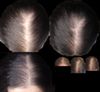
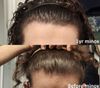
A user shared progress pictures showing significant hair regrowth in the crown area after oiling their hair and scalp twice a week for two months. They used a mix of rosemary, jojoba, coconut, argan, castor, and olive oils.
Hair loss is influenced by scalp tension, stress, and environmental factors, not just hormones. Treatments like tretinoin, microneedling, scalp massage, and Botox can reduce tension and improve hair health.
The conversation is about using topical minoxidil and Nizoral shampoo for hair loss. It discusses whether to use conditioner with Nizoral and how to apply minoxidil without causing scalp irritation.
The conversation is about a hair loss treatment protocol involving microneedling, finasteride, RU58841, minoxidil, ketoconazole shampoo, and a scalp massager with oils. Some users advise starting with fewer treatments like finasteride, minoxidil, and microneedling to avoid potential side effects.
A 17-year-old experiencing hair loss, thinning, and white hair seeks advice on effective treatments. They have started using shampoo and conditioner but have not seen improvement and are open to product suggestions.
Zinc pyrithione and ketoconazole shampoos may help reduce hair loss by removing DHT from the scalp. Users discuss various treatments, including minoxidil, finasteride, and non-pharmaceutical options like castor oil and dermarolling.
The user is experiencing new hair growth after using oral dutasteride, topical minoxidil, and microneedling, but is concerned about black dots on the hairline, which might be clogged pores or dormant follicles. The user previously used a topical minoxidil/finasteride spray and had good results, despite a shedding phase after switching treatments.
The user is using a combination of microneedling, minoxidil, tretinoin, scalp massages, and red light therapy to address hair loss, with a focus on the hairline and temples. They emphasize the importance of scalp massages and have seen regrowth, attributing success to their comprehensive routine.
User is using minoxidil with tretinoin 0.025% and experiencing peeling and burning on the scalp. They are unsure if it's effective or if they are using it too frequently.
A 27-year-old male with AGA and diffused thinning has been using oral Minoxidil, Finasteride, Vitamin D, B12, Iron, and Ketoconazole shampoo. Despite a hair transplant and improved blood levels, he continues to experience hair loss and suspects a possible misdiagnosis of Alopecia Areata Incognita.
The user experienced red pimples and a rash from using topical minoxidil, possibly due to propylene glycol. Suggestions included seeing a dermatologist, switching to foam without propylene glycol, using Nizoral, and adjusting application timing.
Using a silicone shampoo brush with ketoconazole shampoo may increase hair shedding if used roughly. Hair that sheds during shampooing would have fallen out eventually.
The user started using topical and oral Minoxidil in December 2024, added ketoconazole shampoo in February 2025, and began using topical Dutasteride mixed with Minoxidil. The ketoconazole shampoo stopped scalp itchiness, but the hairline looks the same, with existing hairs appearing frail and thin.
A 17-year-old experiencing aggressive hair loss since December 2023 is using finasteride, vitamin D, and a biotin supplement but cannot use minoxidil due to dandruff. They have also undergone two PRP treatments and are seeking further advice.
Switching from topical to oral minoxidil caused acne breakouts, leading the user to revert to topical use. Finasteride was also used, but acne was suspected to be linked to oral minoxidil.
A 27-year-old is using finasteride, minoxidil, microneedling, and Pilexil shampoo to combat hair loss, with plans to add Nizoral shampoo and light stimulation. Initial results show reduced hair loss and some hair thickening, despite a period of shedding.
A new therapy aimed at destroying DHT receptors in the scalp is still in early trials and may take at least 5 years to become available. A sugar-like solution similar to Minoxidil is also in early testing stages and not yet commercialized.
The conversation is about concerns over biotin causing acne when taken with finasteride and minoxidil for hair loss. One user suggests biotin is unnecessary, while another shares that it didn't cause acne for them.
Biotin can cause cystic acne for some users, and it's advised to stop using it if this occurs. For hair loss, finasteride and dutasteride are recommended, but a dermatologist should be consulted.
Breezula, a potential hair loss treatment, is still in trials with no recent updates on its release, while its acne version, Winlevi, is available but expensive. Users discuss the high cost of hair loss treatments and alternatives like Minoxidil and topical Finasteride.
Essential oils like rosemary, thyme, lavender, and cedar wood in a carrier oil may effectively treat alopecia areata and potentially male pattern baldness by stimulating the scalp similarly to minoxidil. The user plans to try this routine and share results.
The conversation discusses whether a longtime NW7 scalp has vellus hairs under a microscope or is completely smooth. Treatments mentioned include Minoxidil, finasteride, and RU58841.
A user's progress after 3 months of using the "big 4" hair loss treatments - liposomal gel minoxidil, finasteride, keto shampoo and microneedling; with people providing advice about their own experiences and asking for more information.
The conversation discusses various hair loss treatments, including Minoxidil, Finasteride, Dutasteride, Ketoconazole shampoo, microneedling, and supplements like collagen, biotin, and vitamins. Users suggest additional treatments like red light therapy, scalp massages, and possibly adding RU58841 or Tretinoin.
A dermatologist prescribed 2% ketoconazole shampoo for hair loss, advising against continuous use beyond 6 weeks. Users discussed potentially using the 1% version regularly, with a recommendation of 1 or 2 times a week.
Ketoconazole is discussed as a treatment for hair loss, with mixed reviews on its effectiveness and side effects. Some users find it helpful for scalp conditions, while others report it makes hair feel dry and doesn't aid regrowth.
An 18-year-old diagnosed with male pattern baldness is using probiotics, saw palmetto, pumpkin seed oil, soy isoflavones, biotin, fish oil, quercetin, a multivitamin, and ketoconazole shampoo. Replies suggest these methods are ineffective and recommend finasteride, minoxidil, and a derma roller.
The user is experiencing a greasy and dandruff-prone scalp from using RU58841 with glycerin and is seeking alternative carriers for seborrheic dermatitis. They are also using dutasteride 0.5mg.