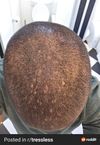
The user has been using minoxidil, finasteride, a laser cap, and ketoconazole shampoo for hair loss without success and is seeking advice on further tests or treatments. They have a family history of hair loss and have not yet undergone dermatologist or trichology tests.
Using regular Head & Shoulders shampoo stopped hair shedding and itchiness, unlike natural shampoos and oils. Minoxidil and finasteride were also used but didn't stop the shedding.
Maintaining scalp hair and minimizing shedding, treatments used such as Procapil, supplements, topical caffeine, topical estrogen, and scalp massage; suggestions for anagen extenders or pharmaceuticals to help with a short anagen phase.
The user experienced increased hair loss and scalp itchiness despite using finasteride and plans to resume minoxidil and start microneedling. They are considering using clay, Aveda thickening tonic, and a beanie to manage the appearance of thinning hair.
The post discusses a 10-year battle with hair loss using treatments like biotin, Rogaine, Dualgen 15% Minoxidil, dermaroller, and various skin care products. Despite some side effects, the user maintains a full head of hair and is considering a hair transplant in the future.
Scalp massage significantly reduced hair loss for the user, who had been using finasteride without improvement. The user attributes the reduction in hair loss to the massage rather than the medication.
Piroctone olamine and ketoconazole are both effective for reducing dandruff and hair shedding, with potential benefits for hair thickness and scalp health. Piroctone olamine may be as effective or better than ketoconazole in certain conditions, yet it is often overlooked.
User experienced hair regrowth after eliminating scalp itch with RU58841. Others discussed itch and hair loss connection, and effectiveness of combining RU58841 with 5AR inhibitors.
A user had a bad experience with a dermatologist who prescribed saw palmetto and biotin shampoo for hair loss, which was ineffective. The dermatologist then suggested minoxidil and dismissed the user's interest in finasteride, leading the user to consider seeking a new dermatologist and possibly starting minoxidil in the meantime.
A 17-year-old experiencing aggressive hair loss since December 2023 is using finasteride, vitamin D, and a biotin supplement but cannot use minoxidil due to dandruff. They have also undergone two PRP treatments and are seeking further advice.
The user is using a topical spray with finasteride and minoxidil, red light therapy, and ketoconazole shampoo for hair loss, and is considering waiting a year before getting a hair transplant. Other users suggest microneedling, using oral treatments, and investing in a laser helmet for better results.
Biotin supplements are considered ineffective for hair loss and are not supported by evidence. People in the conversation have mixed experiences, with some noting benefits for nails and skin but not hair, while others continue to use biotin as part of their vitamin regimen.
The user experienced hair growth in the temples after using 5% topical minoxidil twice daily, oral finasteride 1mg daily, and Nizoral shampoo weekly. They reported no side effects and managed dandruff with a scalp scrubber and Nizoral.
CB 03 01 (Breezula) was tried for hair loss but showed no significant improvement, with issues in dissolving and application. Finasteride and dutasteride remain the most effective treatments, while minoxidil is also used; CB's effectiveness is questioned, and topical alternatives like bicalutamide are considered.
Switching from liquid to foam Minoxidil to avoid scalp irritation, with a method to melt the foam for easier application. Users discuss alternatives and personal experiences with Minoxidil, including issues with propylene glycol and different application methods.
The user has been using topical minoxidil and finasteride for 1.5 years, which has thickened existing hair but left some areas thin. They suspect the treatment may be causing dandruff or seborrheic dermatitis and are seeking advice.
The user is using Nizoral shampoo, Nioxin shampoo and conditioner, Walmart brand Rogaine, Propecia, and a dermaroller to address hair loss. They seek advice on the frequency of Rogaine application, the use of Nizoral and Nioxin, and the effectiveness of essential oils like sandalwood.
A user's hair loss treatment regimen, which includes minoxidil, ketoconazole shampoo and microneedling; some participants questioned the results due to previous posts about hair transplants, but others agreed that quick results are possible with certain treatments.
Using liposomal solutions with dutasteride, minoxidil, and tretinoin worsened hair loss due to buildup and scalp issues. Consulting a professional and returning to simpler treatments like finasteride and minoxidil improved the situation.
The user started using topical and oral minoxidil in December 2024, added keto shampoo in February 2025, and began using a topical mix of dutasteride and minoxidil. The keto shampoo helped with scalp itchiness, but the hairline looks the same, and existing hairs appear frail and thin.
A 29-year-old male in Japan is seeking advice on transitioning Finasteride brands, sourcing Finasteride and Minoxidil without a prescription, and managing chronic scalp inflammation. He is considering adding Minoxidil to his routine and is concerned about diffuse thinning and persistent scalp issues despite following a dermatologist's prescribed treatment.
People use keto shampoo 2-3 times per week and often apply conditioner after, including keratin, collagen, and biotin types. Results show improvement after a month.
The conversation is about using RF microneedling with ExoHealer, along with finasteride and minoxidil, to improve hair thickness and reduce shedding. The user reports noticeable improvements in scalp texture and oiliness, with plans to consider stem cell treatments in the future.
An 18-year-old is experiencing worsening hair loss, feeling isolated, and considering treatments like Minoxidil and finasteride. Others suggest seeing a dermatologist to determine the cause and potential treatments.
A user's 5 month progress with their hair loss treatment which includes topical finasteride and minoxidil, microneedling once every 10 days, and keto shampoo twice a week. Other users shared their own experiences and advice on treatments.
Body hair is more resilient than scalp hair due to different gene expressions and DHT sensitivity. Treatments like minoxidil and finasteride are used for hair loss, but they have varying effects on body and scalp hair.
The conversation is about using ketoconazole shampoo for hair loss. Users suggest using it 2-3 times a week alongside other treatments like minoxidil and finasteride.
After suffering from hair loss and trying various treatments like finasteride, minoxidil, RU58841, and scalp micropigmentation without lasting success, the individual found freedom and a renewed sense of self by shaving their head and accepting their baldness. They encourage others struggling with hair loss to not waste years searching for a cure and to consider embracing a shaved head as a positive solution.