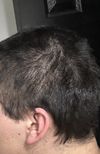
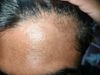
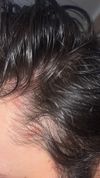
Hair loss possibly caused by a fungal infection might be treated with antifungal shampoos or oral medications. If not fungal, treatments like minoxidil or finasteride may be necessary.
The user experienced severe scalp itching after using RU58841 and ketoconazole shampoo, despite trying moisturizing treatments. They suspect the issue is related to the propylene glycol in the vehicle and are seeking alternatives.
A 21-year-old experiencing hair loss was prescribed two shampoos and hair vitamins by a dermatologist who suggested seborrheic dermatitis as the cause. However, users in the conversation suggested the hair loss could be male pattern baldness (MPB), recommending monitoring the situation and considering finasteride as a treatment.
The conversation discusses the importance of scalp skin barrier health in hair follicle cycling, suggesting treatments like ceramides or niacinamide to support hair growth. It also mentions the use of finasteride for hair loss.
The user experienced no regrowth after nine months on minoxidil and developed red bumps after starting finasteride. They also use Nizoral 2%, which helps slightly, but minoxidil causes intense itching.
The conversation discusses the theory that scalp fibrosis contributes to male pattern baldness (MPB) by increasing DHT concentration, and mentions treatments like Minoxidil. The user seeks opinions on the theory and the effectiveness of scalp massages.
The user has been dealing with an oily scalp, seborrheic dermatitis, and hair loss for 18 months, using finasteride without improvement. Another user suggested dutasteride for reducing scalp oiliness.
The user is experiencing hair loss, possibly due to androgenetic alopecia and seborrheic dermatitis, and has tried ketoconazole shampoo without success. They are hesitant to use finasteride due to potential side effects and are seeking advice on managing their condition.
Sulfur soap may help with hair thickening and reducing scalp inflammation, but it can cause dryness. Nizoral, containing ketoconazole, is noted for its potential to reduce seborrheic dermatitis but may also cause scalp dryness and hair loss.
Finasteride users often experience itchy scalps, which may improve over time, but many rely on ketoconazole shampoo to manage symptoms. Some users find that finasteride helps with hair shedding, but not with scalp irritation, which may require additional treatment.
The user has been using finasteride for 7 months and is experiencing some regrowth but struggles with an oily scalp despite trying ketoconazole and salicylic acid. They are seeking advice on managing the oily scalp and are reassured by others that regrowth is visible.
The user experienced severe hair loss, itchy scalp, and skin issues after trying no-shampoo, and wonders if it's male pattern baldness or an immune issue. They have a history of eczema, dermatitis, and jock itch, and have tried various treatments like coconut oil, peppermint, pumpkin seed, and onion.
Aloe vera gel can help reduce scalp inflammation and "DHT itch" associated with hair loss, particularly in those with androgenic alopecia and seborrheic dermatitis. It's suggested to use aloe vera alongside treatments like finasteride and ketoconazole shampoo to manage symptoms and promote scalp health.
Lichen Planopilaris (LPP), a form of permanent hair loss, which can be mistaken for seborrheic dermatitis and is characterized by scalp itching, burning, redness, and dandruff. Treatment options discussed include steroidal creams, finasteride, minoxidil, and RU58841.
A 28 year old male experiencing diffuse thinning, chronic dandruff and scalp crust (seborrheic dermatitis), with replies discussing the use of topical fin for hormone imbalances and Nizoral for seb derm.
The conversation discusses using tretinoin for hair loss and whether applying SPF on the scalp is necessary if hair covers the treated areas. The user is considering this treatment despite having no completely bald patches.
The user is experiencing scalp irritation from using tretinoin and alcohol-based hair loss treatments like stemoxydine. They find that Aquaphor helps with the pain but is difficult to apply in hairy areas.
The conversation discusses using cetirizine (Zyrtec) topically to relieve scalp itch associated with hair loss and suggests it may also benefit androgenetic alopecia (AGA). One person found relief from scalp itch after three months on finasteride, noting the itch was linked to areas where hair was lost.
Finasteride and minoxidil are discussed as hair loss treatments, with warnings about minoxidil's toxicity to cats. Suggestions include hair transplants, dutasteride, and humorous alternatives like red light therapy and rosemary oil.
A 19-year-old is experiencing hair loss and shedding despite using Dutasteride and topical Minoxidil for six months. They are concerned about potential infections like folliculitis and are considering stopping the treatments due to stress and hair loss from various areas, including eyebrows and eyelids.
Finasteride may affect liver function and cortisol levels, potentially linking it to non-alcoholic fatty liver disease (NAFLD). More research is needed to understand this connection fully.
The user is using RU58841, finasteride, dutasteride, and minoxidil to slow down aggressive hair loss but is still experiencing hair shedding due to high testosterone levels. They plan to use ostarine to lower testosterone and prevent hair loss while maintaining muscle mass, and will continue using the other treatments.
The user is experiencing scalp irritation and hair thinning, possibly due to stress, with red patches on the face and dry skin. They are considering seeing a dermatologist and have used tea tree and rosemary oil.
The conversation discusses the scalp tension theory as a potential factor in hair loss, alongside DHT, inflammation, and other mechanisms. Treatments mentioned include finasteride, minoxidil, and botox injections, with some users exploring additional methods due to varying effectiveness.
A dermatologist prescribed Betnovate scalp, a corticosteroid, for a 21-year-old male's hair loss due to DHT. The individual is considering using Nizoral shampoo, topical finasteride, a derma roller, and minoxidil, but is unsure about the effectiveness of two other products suggested by the dermatologist.
Scalp tension may contribute to hair loss by increasing DHT levels, with potential solutions like scalp massages and Botox. Concerns about finasteride's side effects were discussed, and some users shared personal experiences with alternative treatments like scalp massaging and Botox.
The conversation discusses skepticism about the effectiveness of scalp tension theory and scalp massagers for hair regrowth, contrasting it with treatments like finasteride and minoxidil, which have more user-reported results. Participants question the belief in scalp tension theory, suggesting it may be a marketing tactic, while others argue for a multifactorial approach to hair loss.
Using ketoconazole shampoo for seborrheic dermatitis is generally fine, but opinions vary on frequency, with some suggesting every other day and others less often. Proper scalp cleaning is emphasized to prevent itching and burning.
Seborrheic dermatitis improved after a hair transplant. Effective treatments include Sebamed Anti-Dandruff Shampoo, Vichy Anti-Dandruff Shampoo, Nizoral, and medications like finasteride, dutasteride, and minoxidil.