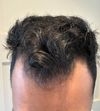
The user has been on finasteride for 7 months, seeing darker, fuller hair but experiencing significant shedding. They are considering adding minoxidil to their treatment to address the shedding.
The user shared progress pictures showing improved hair density after using topical Minoxidil for two years and topical Finasteride for one year, with occasional microneedling. They adjusted Finasteride concentration over time and are considering additional treatments like a hair transplant.
A 35-year-old is considering Breezula, Pyrilutamide, or topical finasteride/dutasteride to protect against hair loss while on testosterone replacement therapy (TRT). They currently use finasteride, oral minoxidil, and dutasteride but experienced increased hair shedding with TRT.
The conversation discusses using GHK Cu + AHK Cu peptides combined with topical dutasteride and minoxidil for hair regrowth. It mentions negative side effects of finasteride and promotes a specific copper peptide serum.
The conversation discusses hair loss treatments, specifically using Dutasteride and oral Minoxidil. Opinions vary on the effectiveness, with some suggesting dosage adjustments and others debating the presence of hair loss.
The user is considering switching from topical to oral minoxidil to address thinning hair and a receding hairline. They are currently using topical minoxidil with tretinoin, finasteride, and ketoconazole shampoo without side effects.
A 26-year-old male shared progress pictures showing significant hair improvement after using finasteride (1mg daily) since November 2024 and minoxidil foam since October 2025. The user noted thicker hair and a less noticeable bald spot, attributing the changes to these treatments.
The user has mostly recovered hair density using finasteride, alternating oral and topical minoxidil, and occasional dermarolling, but the crown area is still struggling. Advice includes continuing treatment for up to 24 months and possibly consulting a doctor if issues persist.
Dutasteride may affect semen parameters but not significantly enough to impact fertility unless baseline fertility is already low. Finasteride and minoxidil are used for hair regrowth, with no side effects reported by one user.
A 26-year-old male shares his progress using 0.5mg finasteride and 5% topical minoxidil for hair loss, considering transitioning to 3mg oral minoxidil. He is also contemplating using a hair system to boost confidence while continuing treatment.
A 26-year-old is starting a hair loss treatment using 1mg oral finasteride daily, 5% topical minoxidil foam twice daily, 2% ketoconazole shampoo weekly, and microneedling once a week. They noticed worsening hair loss over the past year and are seeking advice.
A 24-year-old male is using topical Minoxidil and Finasteride, along with microneedling, to address hair loss and is seeing some improvement, though it's early in the treatment process. The user is advised to continue the regimen for at least 12 months for a clearer assessment, with some recovery possibly due to resolving telogen effluvium from a previous caloric deficit.
The user stopped using minoxidil due to scalp issues and switched to finasteride, noticing thicker hair initially but experiencing hair loss again. They are considering restarting minoxidil but are concerned about the shedding phase, especially with upcoming vacation plans and a potential second hair transplant.
The conversation discusses using a dermastamp for microneedling to treat hair loss, focusing on needle length and frequency. Users share their routines, including applying minoxidil after microneedling, with some waiting 24 hours to avoid side effects.
The conversation discusses hair loss treatment using finasteride, with the user noting improvements in hair density but a recent decrease in vertex density. Suggestions include adding minoxidil, but the user avoids it due to its toxicity to cats and considers oral minoxidil instead.
A man is worried about telling his girlfriend he uses finasteride for hair loss. Most responses suggest it's not a big deal and advise being open if it comes up naturally.
Switching from topical to oral minoxidil caused acne breakouts, leading the user to revert to topical use. Finasteride was also used, but acne was suspected to be linked to oral minoxidil.
A young person regrets not starting hair loss treatments like minoxidil and finasteride earlier, leading to significant balding by age 19. They discuss the importance of early intervention and the impact of societal perceptions on those experiencing hair loss.
The user experienced initial hair regrowth with 1 mg finasteride and 5 mg minoxidil but began shedding after 4-5 months, which others suggest is common and may lead to thicker regrowth. Users recommend patience, as results can take up to 12-24 months, and suggest considering specialized clinics for hairline design if unsatisfied with medication alone.
A 20-year-old male experiencing significant hair loss started using finasteride and minoxidil, considering switching to dutasteride, and seeking encouragement from others who have seen improvements. Other users shared their experiences with similar treatments, noting improvements in hair coverage and stability, with some considering hair transplants as a future option.
The user is frustrated with hair loss despite using finasteride and is considering a hairpiece as a solution. Suggestions include trying a buzz cut, considering dutasteride or oral minoxidil, and addressing potential dietary issues.
The user took finasteride for a year with no issues until reading negative stories online, which led to experiencing side effects they believe are psychological. They stopped the medication and are seeking advice on recovering faster.
A 26-year-old male with high testosterone is experiencing diffuse hair thinning despite using a comprehensive treatment regimen including dutasteride, oral minoxidil, RU58841, ketoconazole shampoo, microneedling, and low-level laser therapy. Suggestions include adjusting dutasteride dosage, monitoring iron levels, and consulting a dermatologist for further evaluation.
A user is concerned about receding hairlines and considers using finasteride and minoxidil but is hesitant due to potential side effects. Others advise starting treatment early to prevent further hair loss, emphasizing that finasteride is generally safe and effective for prevention.
A 17-year-old started using 1mg oral finasteride in April 2025 and increased oral minoxidil from 1.25mg to 2.5mg by December 2025. Users discuss progress, initial shedding, and suggest checking vitamin and mineral levels.
It can take 2-3 years to see significant results from finasteride and minoxidil, with initial shedding and stabilization occurring within the first year. Some users experience slowed hair loss without regrowth, while others see improvement after a longer period.
Young individuals with seemingly healthy hairlines are using treatments like finasteride, dutasteride, and minoxidil, possibly due to paranoia or proactive prevention of hair loss. Some believe social media influences this behavior, while others argue for waiting until actual hair loss begins before starting treatment.
Doctors in the UK are hesitant to prescribe finasteride for hair loss, leading many to seek it from online pharmacies. Users discuss side effects and alternative treatments like minoxidil, with some opting for online purchases due to ease and availability.
The user has been using finasteride for nearly three years and believes it is working well, with others noting denser hair and some regrowth, especially around the temples. The user experienced slight shedding around month six but overall reports thicker hair and stabilization.
A 36-year-old switched from Finasteride to Dutasteride after 6 years due to thinning hair, adding oral Minoxidil for regrowth. Dutasteride improved hair thickness with fewer side effects, while Finasteride caused anxiety and back pain.