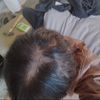
A woman with alopecia universalis shares her positive experience of being bald, finding it freeing and less worrisome. She also discusses her skincare routine using Korean products.
User is 25, using oral finasteride for 4 years, topical minoxidil for 3 years, and microneedling. They ask if hair transplant can be done without scarring when shaving head completely bald later.
A user in their 20s is experiencing hair growth after two months of using minoxidil and finasteride, focusing on the hairline and temple areas. They also addressed vitamin deficiencies (B12, D3, and iron) and are considering additional treatments like derma stamping.
A user suggests that deeper microneedling with Verteporfin injections might help regrow hair in areas with scar tissue, alongside a DHT blocker. Another user explains that hair loss might be due to reduced Wnt/β-Catenin signaling and suggests that treatments like Minoxidil, Finasteride, and microneedling could potentially reverse it.
The post discusses concerns about the practicality of using Minoxidil foam for hair loss, including the frequency of application, preparation, coverage area, and drying time. Responses suggest that missing a dose isn't detrimental, it can be applied once a day, it works on all hair areas, and it doesn't need to be perfectly dry before application.
The post discusses the theory that persistent dandruff in areas prone to hair loss could be a sign of hair follicles dying due to DHT, indicating balding. The responses vary, with some users noting improvements in dandruff and hair loss with treatments like Dutasteride, while others experienced hair loss without dandruff.
A user's successful hair transplant, with some people questioning the donor area regrowth, and others speculating that hair fibre may have been used to help fill in areas.
A user is using 2.5 mg minoxidil for beard growth and considering increasing the dose to 5 mg for more body hair gains, despite experiencing a bald spot on the scalp. Another user questions the desire for more body hair, suggesting it's not appealing.
The user reported significant improvement in hair thickness and color in the crown area after 3 months on Dutasteride 2.5 mg and oral Minoxidil 5 mg, with temporary side effects that resolved. They switched from Finasteride to Dutasteride due to lack of results with the former.
The user experienced significant hair regrowth using finasteride and dutasteride, with noticeable results after switching to dutasteride. Minoxidil was deemed unnecessary due to the restoration of the hairline and lack of hair follicles in bald spots.
The user experienced significant hair regrowth using 1.25mg finasteride daily and 5% topical minoxidil nightly, with no major side effects or shedding. The progress is evident, especially around the temple area, and the user is hopeful for continued growth.
A 22-year-old male is frustrated about being the only bald person in his social circle. He has tried minoxidil, finasteride, and dutasteride without success and is considering hair systems, transplants, or counseling.
A user successfully regrew hair after nearly going bald by using oral finasteride, topical minoxidil, plasma injections, and mesotherapy over 9 months. They plan to try derma rolling and have an alarm set for taking medication, noting increased sexual drive as a side effect.
The conversation is about someone's six-month hair transplant outcome, with a user suggesting the use of finasteride and minoxidil to improve hair growth. Another user commented on the poor condition of the donor hair area.
A user who had two hair transplants and is still concerned about their crown area, despite other people reassuring them that it looks normal. The advice given was to use Minoxidil, Finasteride, SMP, and to consider speaking with a therapist.
Hair regrowth can start as thin hairs that may thicken over time, with treatments like finasteride and minoxidil showing varied results. Some users report initial shedding followed by thicker regrowth, while others experience mixed outcomes in different areas.
Why the top of the head is affected by hair loss more than other areas, and treatments such as surgery, medications like minoxidil, finasteride, and RU58841 to treat it.
Topical finasteride and minoxidil, combined with microneedling, are recommended for treating thinning hair areas, with 1-2 sprays daily being effective and having fewer side effects than oral finasteride. Starting microneedling at 1.0mm is advised for effectiveness while minimizing invasiveness.
A 28-year-old male experienced significant hair regrowth using dutasteride 0.5 mg and 2.5 mg oral minoxidil after previous treatments with minoxidil and finasteride became less effective. He reported no major side effects, except for unwanted hair growth in certain areas.
A 35-year-old man had a hair transplant in 2019 but experienced further hair loss due to not using finasteride or minoxidil. Many suggest shaving his head or considering a hair system, as his donor area is depleted and further transplants may not be viable.
Using a dermaroller with topical minoxidil and oral finasteride regrows hair and improves temple areas. Users highlight the benefits of microneedling tools and stress the importance of consistency and proper sanitation.
Many people feel self-conscious about hair loss during haircuts, with some using treatments like finasteride and minoxidil. Others cope by cutting their own hair or finding a trusted barber to manage thinning areas.
The user has been using oral Dutasteride (.5mg) for 104 days and oral Minoxidil (.5mg) for about 2 months to address hair loss. Changes in hair appearance are noted, influenced by haircuts and dyeing, which affect the visibility of thinning areas.
A 20-year-old is experiencing hair shedding two months after starting 2.5mg oral minoxidil and topical finasteride. They notice thinning in areas where finasteride is applied but also see new baby hairs growing.
A user experimented with creatine while using finasteride and minoxidil for hair loss, noticing increased bald spots and thinner hair, but attributed it to his hair cycle rather than creatine. Other users suggested that creatine doesn't cause hair loss directly, but increased testosterone from workouts might affect those with a genetic predisposition.
Minoxidil and finasteride can help regrow hair, especially in thinning areas, but restoring completely receded temples is challenging and may require a hair transplant. Some users report success with these treatments, particularly when combined with microneedling.
The user had a rough week after being told they couldn't get a hair transplant due to insufficient donor area and worsening balding. They were advised to increase their oral Minoxidil dosage and consider switching from Finasteride to Dutasteride.
Hair loss discussion mentions losing 50 strands daily as normal, but varies for individuals. Some users joke about hair loss in other areas, while others emphasize individual differences and hair cycle length.
A user's father, mostly bald for 20 years, is regrowing hair using a serum called "Skrzypovita Serum Pro" without minoxidil. The user is curious about which ingredients might be causing hair growth.
The user started taking oral finasteride after four years on oral minoxidil due to thinning hair in the crown area. They experienced some initial side effects and shedding but are hopeful for regrowth, while continuing with minoxidil.