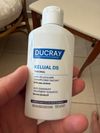
Caffeine ointment was mentioned as being as effective as Minoxidil for hair loss treatment without the side effects. Caffeine is also found in some shampoos.
The conversation discusses using finasteride, dutasteride, minoxidil, and RU58841, along with a 10,000 graft hair transplant, to prevent magpies from targeting bald men. The title humorously references an eight-year-old's survey on magpies swooping bald men.
The user is concerned about hair loss and is using minoxidil while considering beetroot powder, which may affect testosterone and DHT levels. They are cautious about starting finasteride due to potential side effects.
Younger generations now view receding hairlines as baldness, increasing the use of treatments like minoxidil and finasteride. Social media and changing beauty standards have intensified focus on hairlines, altering perceptions of baldness.
Hair loss treatments like finasteride, minoxidil, and dutasteride are popular but often lead to side effects and mixed results. The discussion stresses consulting medical professionals and being wary of unproven treatments in the hair loss industry.
Minoxidil sulfate is considered for those unresponsive to regular minoxidil, with some trying a 10% formulation from Folligenz. Concerns exist about the product's stability and transparency, but some users report positive initial results.
User experienced hair loss due to anorexia and stress, leading to a difficult journey with wigs and self-esteem. Hair regrowth occurred with spironolactone, but recent hair loss returned, causing uncertainty and emotional struggles.
The user is experiencing hair thinning and loss at the temples, likely due to androgenetic alopecia. Suggested treatments include finasteride and minoxidil to slow hair loss and promote regrowth, with buzzing hair short as a styling option.
The user shares a hair loss routine involving finasteride, B-Complex vitamins with biotin, pumpkin seed oil, apple cider vinegar, aloe vera, honey water, olive oil, and tea tree oil. They emphasize avoiding shampoo and using natural rinses to maintain scalp health and promote hair growth.
The conversation discusses a hair loss treatment involving a hair transplant of approximately 2500 grafts to the frontal area, daily use of finasteride, twice-daily topical minoxidil, and daily caffeine shampoo since the hair transplant procedure. One person is skeptical about the improvement in the crown area with just finasteride and minoxidil.
A teenage girl who has been diagnosed with ADA and is struggling with hair loss, which has caused her to lose confidence. She is looking for recommendations on treatments such as finasteride or Minoxidil, and lifestyle advice including vitamins and other supplements that might help with the issue.
A user shared their positive 4.5-month hair regrowth experience using Minoxidil, finasteride, a caffeine shampoo with rosemary oil, a dermaroller with Nizoral, and pumpkin seed oil capsules. They started treatment due to accelerated hair loss and are now seeing no hair fall during shampooing.
Hair loss and the various treatments available, including finasteride, minoxidil, dutasteride, dermarolling, RU58841, mesotherapy, Rogaine, and scalp massages. The discussion also includes regret for not starting treatment earlier and advice to start early in order to avoid further balding.
A user shared their positive experience using keratin hair thickening fibers to conceal a balding crown after six months on finasteride. Other users discussed various hair loss solutions, including minoxidil, dermarolling, and scalp micropigmentation.
A 21-year-old male with a thyroid condition noticed his hair thinning uniformly without a receding hairline. He is considering using a 5ARI to prevent further baldness if he starts TRT.
People discussing hair loss and treatments like hair transplants, finasteride, and minoxidil. Many share experiences and plans for hair restoration, emphasizing the emotional impact and the importance of a positive mindset.
The user reported significant hair regrowth after 8.5 months using Minoxidil, Finasteride, and initially Biotin, with a 50% reduction in the balding crown area. They are considering either a hair transplant for further improvement or embracing a bald look, feeling confident they could pull it off.
An 18-year-old is concerned about potential balding and seeks advice. They are unsure if their hairline is a widow's peak or if they are experiencing hair loss.
The user is experiencing scalp irritation and increased hair loss while on vacation, possibly due to hard water and sun exposure. They have stopped using a minoxidil and finasteride spray due to burning sensations and are using a prescribed betamethasone and salicylic acid solution along with ketoconazole shampoo.
The conversation is about someone who shaved their head after using Minoxidil and finasteride for a long time and feels confident with the new look. Many users compliment the person's appearance, noting that they have a good head shape for being bald, while others discuss the pros and cons of hair loss treatments and embracing baldness.
A user's decision to shave their head after struggling with hair loss for seven years, and the medications and treatments they are using to attempt regrowth. They also discuss potential future treatments that may come out in the near future.
A user is creating a home topical solution for hair loss using zinc, essential oils, and caffeine, aiming for a 0.001% caffeine concentration. They also use topical finasteride and are considering other treatments like low-level laser therapy, while discussing the effectiveness of various hair loss treatments with others.
The conversation is about individuals noticing others with full hair while experiencing their own hair loss. Some use treatments like Minoxidil and Finasteride, while others joke about noticing receding hairlines or suggest that hats and wigs are used to hide baldness.
The conversation discusses a user's experiment of "burning the scalp" to treat hair loss, with mixed opinions on its effectiveness. Some suggest returning to proven treatments like finasteride and minoxidil, while others note slight improvements in hair density.
The conversation is about someone starting treatment for hairline thinning with 1mg finasteride, 5% minoxidil, and vitamin D3 supplements, and asking for advice on dermarolling. Another person reassures them that they still have a lot of hair and could maintain or regrow hair with the treatment.