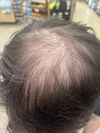
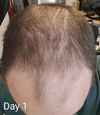
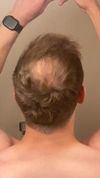
The conversation critiques the influence of "Clavicular" on young men regarding hair loss treatments, highlighting the dangers of following unscientific advice and the rise of body dysmorphia. It emphasizes the importance of safe, medically advised treatments like minoxidil, finasteride, and dutasteride, while warning against reckless experimentation and early surgeries.
Animajax, who started off completely bald, has seen hair regrowth using finasteride 1.25mg, oral minoxidil 2.5mg, occasional topical minoxidil, dermastamping, benzoyl peroxide, and tretinoin. They recently added nizoral and plan to switch to a topical solution combining minoxidil and dutasteride.
The conversation humorously outlines the progression of hair loss and the increasing desperation for treatments, starting with vitamins and dermapen, moving to finasteride, then to dutasteride and experimental chemicals, and finally to acceptance with shaving or hoping for hair cloning. Some users agree with the accuracy, while others question if it's a joke.
A user is considering using finasteride and minoxidil to address hair loss, particularly at the temples and crown. Responses include encouragement, humor, and additional suggestions like using a derma roller.
The user is using a combination of RU58841, Stemoxydine, RevivHair Serum, hair growth oil, topical Minoxidil, Alfatradiol, oral Minoxidil, and Finasteride to treat hair loss. They report no side effects from oral Minoxidil and Finasteride after 7 months of use.
A 47-year-old male experienced significant hair loss after losing 37 kg in 6 months on a low-carb diet and started taking biotin, zinc, iron, selenium, and spectral dcn-n. Replies suggest that while carbs are not directly needed for hair growth, they help regulate hormones and nutrient absorption, and rapid weight loss can also contribute to hair loss.
Baldness is not an evolutionary disadvantage because it occurs after reproductive age. Treatments like Minoxidil and Finasteride are used for androgenetic alopecia but don't address the root cause.
A 21-year-old male diagnosed with telogen effluvium and male pattern baldness started oral finasteride, which initially slowed hair loss and slightly thickened hair, but experienced increased shedding after surgery. The doctor recommended iron and vitamin D supplements, and the user is seeking additional advice.
A user expressed distress over shaving their head due to hair loss before a job interview, feeling unattractive and depressed. Replies offered support, admiration for their bravery, and advice to embrace their new look with confidence.
Addressing hair loss by focusing on posture, blood flow, and craniofacial development. Methods include improving posture, cardiovascular activity, scalp massages, healthy diet, meditation, using minoxidil, and addressing craniofacial issues.
A user's results after 10 months of hair transplant surgery, which they had been taking care of with 0.5mg/day finasteride, 1x daily minoxidil and 1.5 times weekly microneedling treatments. One other user replied positively to the post.
The user experienced hair thinning despite using finasteride and switched to a ketoconazole shampoo without sulfates to address scalp itching and dandruff. They hope this will stop further hair thinning.
The individual has experienced a sore, stiff, and itchy scalp with hair loss for 4.5 years, and has noticed increased thinning and miniaturized hairs, especially at the temples. They have tried ketoconazole shampoo without success and are considering finasteride for treatment.
A South Korean company, Therazyne, has developed a promising hair loss treatment using a WNT chain surrogate that binds to Frizzled 7, with human follicle testing expected soon. Current treatments like minoxidil and finasteride are not seen as cures, and while optimism exists for future solutions like PP405, approval processes are lengthy.
A 30-year-old woman with a history of anemia and low vitamin D experienced hair shedding, which improved after addressing nutrient deficiencies. Despite regrowth of terminal hairs, her dermatologist recommended treatments like minoxidil and spironolactone to prevent future bald spots, but she is cautious due to family history of hormone-related cancers.
A 21-year-old male is experiencing hair loss and plans to see a dermatologist and take hair growth pills to prevent further balding and possibly aid facial hair growth. Another user suggests using minoxidil, which has shown results for them after four months.
A user in their 30s with male pattern baldness reported significant hair regrowth after starting a daily pill containing 2.5mg Minoxidil and 1mg Finasteride. They were initially skeptical but experienced no side effects and were pleasantly surprised by the results.
User began losing hair in 2006, used Avodart and got a hair transplant in 2012. They discuss the decline of hair loss forums and the shift to Reddit, which isn't ideal for long-form discussions.
The user is considering switching from liquid to foam minoxidil for hair loss at the crown, while already using finasteride pills. They are also contemplating a hair transplant due to ongoing hair thinning.
A user successfully regrew hair after nearly going bald by using oral finasteride, topical minoxidil, plasma injections, and mesotherapy over 9 months. They plan to try derma rolling and have an alarm set for taking medication, noting increased sexual drive as a side effect.
A user is upset about hair loss due to seborrheic dermatitis and DUPA, which prevents a hair transplant. They mention using jojoba oil and discuss treatments like Minoxidil, finasteride, and RU58841.
Whey protein and BCAAs may increase testosterone levels, potentially accelerating hair loss, but opinions vary on their impact. Some users suggest monitoring diet and hair health, while others believe the effect is minimal compared to DHT's role in balding.
The conversation discusses various absurd theories about the causes of male pattern baldness, with some users suggesting treatments like oral dutasteride. It highlights misinformation and humorous myths, such as hair loss being linked to testosterone levels or masturbation.
The conversation discusses using natural alternatives like saw palmetto, pumpkin seed oil, pygeum, and nettle extract for hair loss, alongside treatments like nizoral, dermastamp, red light, and rosemary oil. Opinions vary, with some users skeptical about the effectiveness compared to finasteride, and concerns about potential side effects.
A man's experience with hair loss, which has caused him to lose an important part of his identity, and the treatments he is using to try and combat it. Others have joined in the conversation to share their own experiences and offer support.
The conclusion of the conversation is that dying the hair can be an effective method for managing hair loss, particularly for those with diffuse thinning.
The user is using dutasteride, oral minoxidil, and ketoconazole shampoo for hair loss but still experiences hair shedding. Despite using these treatments for about 1.5 years, the user jokes about the ineffectiveness and dandruff issues.
UCLA's PP405 shows promise in reactivating dormant hair follicles for hair loss treatment but is still in clinical trials. Minoxidil and finasteride remain common treatments until PP405 becomes available.