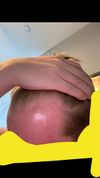
Hair loss discussion includes Amplifica, a new treatment by Dr. Rassman and Dr. Plikus using molecules from hairy moles. No progress updates mentioned.
The conversation discusses adding Nizoral (Ketoconazole shampoo) and castor oil to a hair loss regimen. Users suggest trying Nizoral due to its potential benefits and low cost.
The conversation discusses the potential impact of marijuana on hair loss, with some users suggesting it may worsen hair loss due to hormonal changes, while others believe it might alter perception rather than cause actual thinning. The original poster uses Propecia (finasteride) and Rogaine (minoxidil) for treatment and is considering quitting marijuana to see if it affects hair health.
Hair loss treatments include finasteride, minoxidil, alfatradiol, vitamins, red light therapy, ketoconazole shampoo, meditation, green tea, leg workouts, and silk pillows. Genetics is emphasized as the primary factor in hair health, with some humor about unconventional methods like drug use affecting hair loss.
Shampoos marketed for hair loss may not effectively prevent it, as they often focus on improving hair appearance rather than addressing underlying causes like androgenetic alopecia. Effective hair loss treatment typically requires DHT blockers like finasteride.
Clascoterone lotion, being tested in Germany, is as effective as Minoxidil and Finasteride for hair loss but without serious side effects. About 400 men participated in the trials.
Hair loss advice: get a shorter haircut and use hair building fibers like Toppik to improve appearance. User on big 4 treatments: Minoxidil, dermapen, Nizoral, and finasteride.
Topical Calcipotriol (vitamin D derivative) may help with hair regrowth, especially for alopecia areata. The user wonders if adding classic vitamin D to lotions like Minoxidil could have a similar effect.
The conversation lists medications, oils, and herbs for hair loss, including FDA-approved treatments like Finasteride and Minoxidil, off-label options like Dutasteride and Clascoterone, and others like RU58841. It also mentions Rosemary oil, Saw palmetto, and Fo-Ti root as non-medical treatments.
Hair loss can cause psychological distress, but maintaining optimism and self-improvement is crucial. Treatments like minoxidil, finasteride, and potential new options like clascoterone offer hope, though side effects can occur.
The user discusses a galenic hair lotion containing progesterone, estradiol, cyproterone, hydrocortisone butyrate, and cetirizine pheniramine, which has effectively stopped their hair loss over two years. They are curious about the compatibility of finasteride with the lotion's components and note that their trichologist has successfully used minoxidil and finasteride in similar treatments for others.
A user is experiencing severe hair loss and dandruff, trying various treatments including Minoxidil, Nizoral 2% Ketoconazole, Neutrogena T/Gel, coconut oil, baby shampoo, apple cider vinegar, aloe vera gel, and tea tree oil. They believe the issue is not genetic and are seeking advice and solutions.
A regimen for hair loss, which includes using Nizoral shampoo twice daily, Minoxidil foam from the can, 5mg of Propecia crushed and snorted on weekends, and dermastamping directly to the head of the penis. Replies discuss potential sides and other treatments, as well as the idea that confidence is more attractive than hair.
People are discussing a shrine in Kyoto, Japan, dedicated to hair, where rituals are performed to protect against balding. The conversation humorously suggests visiting the shrine if treatments like Minoxidil, finasteride, and RU58841 aren't effective.
The user has been using topical 5% Minoxidil, 0.1% Finasteride, dermastamping, 2% ketoconazole, and a DHT-blocking shampoo with saw palmetto, caffeine, biotin, and argan oil for hair loss. Despite some baby hair growth on one side, the user is experiencing continued hairline recession and shedding, leading to distress.
A 22-year-old male experiencing hair thinning and loss, possibly due to seborrheic dermatitis or low vitamin D, is cautious about using minoxidil or finasteride due to heart palpitations and high blood pressure. Suggestions include using ketoconazole shampoo to control inflammation and focusing on treating the dermatitis first.
A 19-year-old seeking advice on hair loss treatment is considering options like Minoxidil, finasteride, and RU58841. They are looking for guidance to potentially revive their hair.
Natural remedies like rosemary oil, coconut oil, and onion juice are generally seen as less effective compared to medical treatments like finasteride, minoxidil, and microneedling. Some users believe natural oils can help, but modern medicine is often more reliable.
Hair loss is a common issue, with treatments like finasteride and minoxidil used but not as permanent cures. Frustration exists over societal perceptions and the lack of a definitive solution.
ABS-201, a prolactin receptor blocker, shows promise in reversing hair loss and graying, with early success in macaques. Current treatments like finasteride, minoxidil, and RU58841 are still widely used, but new options like PP405 are eagerly anticipated.
The conversation discusses alternatives to minoxidil and finasteride for hair regrowth, with mentions of essential oils, PRP therapy, and RU58841. The focus is on finding treatments with minimal side effects, especially concerning fertility.
A user noticed increased hair loss and was prescribed Betamethasone dipropionate 0.05% lotion by a dermatologist. Another user suggested changing doctors and asking for finasteride instead.
Alcohol-based minoxidil absorbs better but can cause irritation; non-alcohol-based is gentler. Topical dutasteride shows promise but needs more research; low-dose oral minoxidil (0.25 mg/day) is effective with fewer side effects. Ingredients like Procapil, Redensyl, caffeine, and Anagain in shampoos have limited evidence; ketoconazole shampoo can help when used 2-3 times a week with other treatments.
Shampoos, including those with ketoconazole, may offer mild benefits for hair health but are not effective for stopping hair loss or balding. Effective treatments for hair loss include finasteride and minoxidil, often used together, while shampoos are generally not on the scalp long enough to impact hair follicles significantly.
A 20-year-old with aggressive hair loss is using oral minoxidil and finasteride, considering a buzz cut to manage appearance. Most suggest a buzz cut or shaving, recommending patience with medication and possibly trying RU58841 or dutasteride.
The user experienced significant hair regrowth using a daily oral combination of minoxidil (3mg) and finasteride (1.1mg) without side effects. Others shared their experiences with similar treatments, noting varying results and side effects.
The conversation discusses hair loss and hairstyles for balding men, with some users suggesting treatments like Minoxidil, finasteride, RU58841, and dutasteride. The focus is on embracing unique hairstyles instead of shaving, with mixed opinions on their appeal.
Many people become hyper-aware of hair loss in themselves and others, often leading to feelings of jealousy or self-consciousness. Treatments like finasteride, minoxidil, and dutasteride are commonly discussed as solutions to combat hair loss.