First patient dosed with Pyrilutamide (Kintor) Phase III for hair loss treatment. Pyrilutamide differs from approved treatments as it competes with DHT to bind hair follicles, potentially reducing side effects.
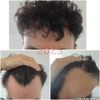
User shared 8-month hair loss treatment progress using topical fin/min, topical dut, mk677, RU, and microneedling. They experienced watery semen as a side effect but saw significant improvement in hair growth.
An 18-year-old shared a 5-month hair transformation using RU58841 and minoxidil, reporting no side effects and crediting most regrowth to minoxidil. Opinions on RU58841 are mixed, with some users and a YouTuber moving away from it due to side effects and lack of studies.
A user has been taking finasteride for 7 months and is experiencing watery semen as the only side effect. They are considering taking zinc supplements to improve this condition.
Topical Dutasteride may halt hair loss and effectively treat androgenic alopecia. Combining low-dose oral Dutasteride with topical application could maximize regrowth and minimize side effects.
The post and conversation are about the long-term side effects of using Dutasteride and Finasteride for hair loss, including issues like raised liver enzymes, high cholesterol, and loss of libido. The user advises regular blood work and careful monitoring for those using these treatments.
A user discusses dealing with lower libido caused by finasteride, considering using ED meds but unsure due to age. Replies suggest natural libido fluctuations, holistic approaches, and managing anxiety.
Switching to dutasteride as a hair loss prevention treatment, along with minoxidil, dermarolling and nizoral shampoo, and the potential benefits and side effects of using finasteride and/or dutasteride in combination with topical anti-androgens like RU58841.
The efficacy of various hair loss treatments, including Finasteride and Dutasteride, with personal anecdotal evidence about potential side effects. It also includes advice to get a male hormone blood panel done before starting treatment, and lifestyle changes to minimize side effects.
Treatments for hair loss, including topical immunotherapy, regenerative treatments, laser and light-based therapies, oral supplements, intralesional steroids, and new drugs like finasteride and minoxidil.
A user applied a homemade topical finasteride solution daily for 35 days, reducing hair shedding significantly with minimal side effects. They plan to continue for 90 days and will provide further updates.
A 19-year-old experiencing early hair loss started using finasteride to address diffuse thinning, despite concerns about potential side effects. They also use T/Gel and OGX Thick and Full shampoo, and have a dermatologist appointment scheduled to explore possible allergies.
A user is starting a topical finasteride treatment for diffuse patterned alopecia, having previously used minoxidil without success. They are cautious about side effects and have chosen topical over oral finasteride, while also using Nizoral and biotin in their routine.
The user is concerned about starting finasteride due to potential fertility issues and is considering using minoxidil and Nizoral shampoo as alternatives for hair loss. Another user shares their experience of pausing finasteride while trying to conceive, continuing with minoxidil and Nizoral, and advises prioritizing child health over hair treatment.
The user has been using 0.25mg finasteride daily for about a year and is considering adding oral minoxidil but is concerned about potential side effects. Most responses suggest sticking with finasteride, possibly increasing the dose, and avoiding oral minoxidil due to its side effects, with some recommending topical minoxidil instead.
PP405, a topical treatment, shows promise for hair growth by activating inactive follicles, with 66% of participants experiencing positive results. The treatment is well-tolerated and may proceed directly to Phase 3 trials, offering a potential alternative to minoxidil and finasteride.
Creatine may cause hair shedding in some individuals, but there is no strong scientific evidence linking it to hair loss. Many users report personal experiences of increased hair loss with creatine, while others see no effect; OP is considering creatine while using finasteride and topical minoxidil for hair loss.
Dutasteride and oral minoxidil are not yielding noticeable results for some users, with some considering alternatives like microneedling or hair transplants. Others report slowed hair loss but no regrowth, and some experience side effects or minimal improvement, leading to frustration and consideration of different treatments.
The user has been using 1 mg finasteride for three months and recently started using 5% minoxidil once daily, resulting in new vellus hair growth. The user is hopeful that minoxidil will positively impact terminal hairs and is considering adding a derma stamp to the routine.
Minoxidil and finasteride work through different mechanisms; minoxidil-dependent hair requires continued use to maintain growth, while finasteride prevents further hair loss but cannot sustain minoxidil gains alone. Current treatments like minoxidil, finasteride, and others need indefinite use, as no permanent solution exists yet.
Bryan Johnson uses Dutasteride, Latanoprost, Minoxidil with Tretinoin, and other unproven treatments, while Derek uses Finasteride, Minoxidil, Nizoral, RU58841, and Castor Oil. Kevin uses Finasteride, Minoxidil, RU58841, and Alfatradiol, but is against Nizoral and microneedling, preferring Tretinoin for absorption.
The user has been using a minoxidil and finasteride topical solution for 1.5 years without improvement and recently added oral finasteride but still experiences significant hair shedding. Other users suggest trying dutasteride, as some have switched from finasteride to dutasteride with fewer side effects, while others discuss dosage strategies and the effectiveness of topical versus oral treatments.
The user is experiencing increased hair shedding after 6 months of using Dutasteride and oral minoxidil, despite previous regrowth and satisfaction with the results. They are considering shaving their head again and discuss the effectiveness of their treatment routine, which includes Dutasteride, oral minoxidil, and Nizoral, while also addressing concerns about side effects like erectile dysfunction and body composition changes.
A 28-year-old male with a family history of baldness is deciding whether to start finasteride now or wait for visible hair changes. He is considering starting finasteride immediately to proactively address potential hair loss.
The user has been using Essengen 6+ (a mix of low-dose topical finasteride and minoxidil) for three months, seeing positive results, especially on the crown area. They also use Nizoral for dandruff and dermaroll weekly.
The conversation is about hair loss affecting motivation to work out. The original poster is using dutasteride and minoxidil and is considering a hair transplant.
Follicopeptide (FOL005) by Coegin Pharma will launch as a cosmetic hair growth treatment by Q2 2025, showing similar efficacy to finasteride. Users discuss the benefits and skepticism of releasing hair loss treatments as cosmetics rather than drugs.
OP had a doctor appointment, was advised to try B vitamins and change shampoo for hair loss, and may consider Finasteride if no improvement. Users suggest seeing a dermatologist directly, as vitamins likely won't help much with AGA.