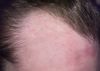
Hair growth can be induced without stopping DHT, as seen with Minoxidil. HMI115 may work by promoting follicle growth, not targeting the root cause of hair loss (DHT).
A user is concerned about hair shedding despite noticeable regrowth after 7 months of using finasteride. The dermatologist confirmed positive results, but the user remains skeptical and confused.
A 27-year-old male has been using 1mg finasteride and topical 5% minoxidil for 7-8 months, along with D3 and Biotin supplements, to address hair loss. Users generally agree there is progress, but one suggests waiting at least a year for more noticeable results.
A 19-year-old trans man has been using Finasteride 1mg for a little over two months and is concerned about worsening hair loss, noting a fuzzy and soft hairline and crown. The user is upset as the hair loss appears worse than before starting the treatment.
The conversation is about a 21-year-old using finasteride, dermarolling, ketoconazole shampoo, hair growth serums, and exosome therapy to treat early-stage thinning on the crown. They are questioning if these treatments are sufficient to improve hair thickness.
Akkermansia bacteria can improve hair growth inhibited by testosterone, and metformin may increase Akkermansia, which could help with hair loss related to aging, insulin resistance, and inflammation.
The user is experimenting with topical melatonin for hair loss by dissolving melatonin tablets in a solution, but is having trouble with dissolution and is curious about others' methods of application and any effects on energy levels. They mention considering mixing with minoxidil but have not done so, and suggest that melatonin is best used at night.
Creating a propylene glycol-free Minoxidil and Tretinoin solution to reduce skin irritation and enhance effectiveness. An emulsifier like lecithin can help mix Tretinoin properly, and Minoxidil foam is an alternative without propylene glycol.
Counterfeit minoxidil can be identified by inconsistencies in bottle fill levels, label details, and smell compared to genuine products. Genuine minoxidil has a specific alcohol-based smell and consistency, while counterfeit versions may smell musky and feel greasy.
The conversation is about finding a pure high molecular weight hyaluronic acid for the scalp after microneedling. A user suggests using a product from The Ordinary.
A user is experimenting with a DIY topical solution combining finasteride and minoxidil for hair loss, applying 0.5 mg of finasteride daily. Concerns include absorption issues, potential side effects, and product loss due to hair density, with some users suggesting oral intake for better results.
The user experienced significant hair regrowth over seven months using a combination of oral dutasteride, minoxidil, microneedling, vitamin D, biotin, zinc, and iron. They plan to continue treatments to prepare for a potential hair transplant.
A 20-year-old is concerned about hairline changes and wonders if it's maturing or male pattern baldness (MPB). Suggestions include consulting a specialist and considering treatments like finasteride or minoxidil.
Progress (in a good way). How often did you take biotin?
KarensAnon: I took biotin once daily.
KarensAnon has made 3-month progress with the use of Minoxidil foam, 0.5mm micro-needling weekly, and biotin to combat hair loss which had started at age 19. They plan to further their treatment by adding finasteride soon.
The conversation is about the use of peptide therapies for hair loss, specifically GHK-CU, ZN-Thymulin, and PTD-DBM. The user is seeking feedback on the effectiveness of these treatments from those who have tried them.
A bodybuilder's hair transplant appears unnatural with a straight hairline and low density, possibly worsened by not using finasteride. The Turkish clinic is criticized for poor design, and the transplant may have been free for promotion.
The conversation discusses the potential for Verteporfin to reduce scarring, making hairline lowering surgeries more viable for men with mild hair loss. The user suggests that if scarring can be minimized, men might opt for hairline lowering instead of using grafts for other areas.
The user has been using Finasteride and Minoxidil for 7 months and started microneedling a month ago, but is experiencing increased hair shedding and is concerned about its effectiveness. They have vitamin D3 and B12 deficiencies and are seeking advice and encouragement due to a family history of baldness.
Pyrilutamide, a nonsteroidal antiandrogen drug under development for the potential treatment of androgenic alopecia. The conversation discusses its binding affinity to the androgen receptor and the timeline for possible availability after trials are completed in the United States and China.
A 21-year-old male used 1mg of finasteride since March with no results and suspects a scalp fungus due to pimples and burning sensations. He is seeking advice on treating the potential fungus.
User started minoxidil, noticed forehead lines and dark circles, and asked for non-invasive skin aging prevention methods. Another user suggested using tretinoin and hyaluronic acid for long-term benefits.
User considers scalp micropigmentation (SMP) for hair loss. Mixed opinions shared; some regret it, others satisfied. Choosing reputable clinic and technician is important.
The user experienced hair regrowth after 4 months of using 2.5 mg finasteride every other day and topical minoxidil 3-4 times a week, with occasional dermarolling. They feel their hair has returned to 2023 levels, and the scalp heat that led to thinning is gone.
The conversation is about a user sharing their positive progress with hair regrowth using oral minoxidil, biotin, finasteride, and other supplements. The user also mentions using a HIMS oral fin/min combo and receives advice and encouragement from others.
The conversation discusses the link between seborrheic dermatitis, acne, and male pattern baldness, suggesting that DHT may cause both skin conditions and hair loss. Treatments mentioned include RU58841, finasteride, dutasteride, minoxidil, Nizoral shampoo, and other topical anti-androgens.
Dutasteride mesotherapy is discussed as a potential treatment for hair loss, with some users suggesting it offers a slight boost when combined with oral minoxidil, though it's costly. Concerns about side effects and systemic absorption are noted, with alternatives like topical dutasteride and microneedling suggested for home use.
Using 0.025% tretinoin may enhance minoxidil's effects for hair loss. Users suggest starting with 0.025% and gradually increasing the concentration, and discuss combining treatments like microneedling.
The user started a hair loss treatment with oral finasteride, minoxidil, and microneedling but hasn't seen improvement after six months, experiencing increased shedding instead. Suggestions include continuing the treatment for a year, considering topical minoxidil, and possibly adding dutasteride if needed.
The user "LandB4TimeIn3D" shared their hair loss progress using finasteride (Fin) and minoxidil (Min). They experienced shedding for the first few years but saw significant regrowth after about 2-3 years. They also mentioned using topical liquid minoxidil twice a day.
The user had high DHT levels after 8 months on dutasteride, questioning the drug's authenticity. They got dutasteride from a legitimate source and will update on progress.