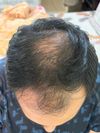
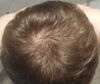
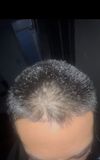
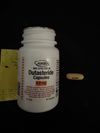
The user has been taking 1mg of finasteride every other day for two months, experiencing improved hair quality but disrupted sleep. They are seeking advice on whether the sleep issues will improve with continued use or if they should stop the medication.
A 19-year-old experiencing diffuse thinning on the top of the head has seen some improvement with ketoconazole but is considering starting finasteride. They are seeking advice on whether to begin this treatment as they approach their 20th birthday.
A user from Ontario, Canada, is seeking cheaper options for topical Minoxidil and oral Finasteride for hair loss, as current prices are around $300 for a three-month supply. They are asking if this pricing is typical and if there are more affordable alternatives.
The user seeks advice on booking a dermatologist in the UK for hair loss treatment. They mention long wait times through a GP and inquire about private options in London.
The user has been using Dutasteride (Avodart) 0.5 mg since June 2023 to combat hair thinning, experiencing initial side effects but no significant hair regrowth. They seek advice on improving or thickening their hair further.
A 22-year-old male experienced hair regrowth using an intermittent Dutasteride regimen, oral and topical Minoxidil, FolliHair AM/PM, and Salicia KT shampoo. He stopped Dutasteride due to side effects like dry eyes and skin, but noticed increased hair shedding after stopping.
A 35-year-old man is considering stopping Dutasteride and Minoxidil due to severe sexual side effects after 9 months of use. He is exploring alternatives like topical treatments, hair systems, or shaving his head.
The user experienced hair regrowth with finasteride and minoxidil but faced shedding after stopping the treatment. They resumed the treatment and used Toppik hair fibers to mask hair thinning during the shedding phase.
Skin, Hair, and Nails by Pharmekal was withdrawn from the market. Users discuss alternative supplements and treatments like Minoxidil, finasteride, and RU58841.
GT20029 is a potential treatment for androgenetic alopecia, addressing the root cause by targeting androgen receptors, unlike Minoxidil or Finasteride. It is seen as a preventative measure rather than a regrowth agent, with hopes for market release soon.
The user shared progress pictures showing hair regrowth after using finasteride and minoxidil for 1 year and 9 months. Replies noted visible improvement and suggested adding ketoconazole.
The conversation discusses reducing hair fall by addressing dandruff with anti-dandruff shampoo, regular oiling, and stress management through meditation and yoga. Other users mention using ketoconazole, vitamin D, and finasteride, with some experiencing side effects.
Dutasteride users should get yearly kidney and liver tests, especially young people. General health checkups are not common in the UK, but such tests are recommended as a precaution.
Fin and minoxidil, in combination with dermarolling, as an effective path for hair growth. The post also provides advice about needle depth and frequency, as well as other treatments (foam and oral) which may be beneficial.
User asks if spironolactone can stack with finasteride and pyrilutamide for hair loss treatment. They question why spironolactone is associated with feminizing effects, while RU/pyri/fluridil, which work similarly, are not.
Nutrafol is criticized for misleading advertising, as it doesn't effectively regrow hair. Effective treatments mentioned include minoxidil and finasteride.
The conversation is about adding dermarolling to a hair loss treatment routine. The user seeks recommendations for dermarollers, stamps, or pens, emphasizing the importance of quality and proper cleaning.
Users discuss their preferred daily shampoos for hair loss, mentioning products like Nizoral, rosemary shampoo, caffeine shampoo, and biotin shampoo. Some also use shampoos containing minoxidil and ketoconazole.
A man's successful hair regrowth after using finasteride, minoxidil, microneedling, hair supplements, and scalp massages. He noticed significant improvements and is excited about future progress.
The user recommends washing hair twice daily with glycerin soap, using finasteride and minoxidil, avoiding cigarettes and alcohol, and maintaining a diet rich in fruits and vegetables. They claim these methods have significantly improved their hair health over 25 years.
The conversation is about creating a topical finasteride solution without minoxidil, using an alcohol-based base like ethanol. The discussion includes using finasteride in powder form and mentions adding ingredients like glycerol, salicylic acid, or castor oil.
The user has been using a topical solution of minoxidil and finasteride for one month, experiencing some hair shedding. They also use a multivitamin, derma rolling, and a shampoo with ketoconazole and salicylic acid, seeking advice on additional treatments.
Dr. Muñoz's discovery suggests that targeting potassium channels in fibroblasts could reactivate hair growth, offering new treatment possibilities for alopecia. Potential strategies include using minoxidil, diazoxide, and other potassium channel openers, as well as bioelectric devices and direct growth factor applications.
A straightforward hair loss treatment involves using Minoxidil twice daily, microneedling weekly, and using silicone-free shampoo. Shaving the head can simplify the routine, and consistency is crucial for effectiveness.
Fluridil degrades androgen receptors, which are prevalent in the scalp and other tissues. People with androgenetic alopecia (AGA) may have higher expression of these receptors and 5AR activity in affected scalp areas.
The user shared their 18-month hair treatment journey using oral finasteride and minoxidil foam, noting significant improvement in hair density and texture after initially experiencing shedding. They found oral finasteride more effective than topical solutions and emphasized the importance of consistency and patience in achieving results.
Combining therapies like scyllo-inositol, alpha-ketoglutarate, and autophagy-inducing supplements may enhance hair growth and prevent hair loss. Reporting individual results can accelerate progress in hair loss treatments.
Finasteride and dutasteride must be taken continuously to prevent hair loss, and minoxidil should also be used long-term. Patience is needed as results from these treatments can take months to over a year to appear.