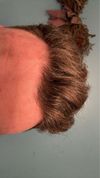
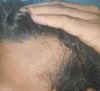
The user experienced long-term pain after an FUE hair transplant and is considering Kenacort injections for relief. They also reported brain fog, dizziness, and anxiety after stopping minoxidil and finasteride, and are currently using PRP, microneedling, and rosemary oil for hair maintenance.
An 18-year-old experiencing diffuse hair thinning since 8th grade seeks advice. They are concerned about having less hair than their 52-year-old father and are looking for treatment options.
An 18-year-old experiencing mild hair thinning is prescribed ketoconazole shampoo, clobetasol, and a solution with minoxidil, finasteride, and tretinoin. They are hesitant to start finasteride due to concerns about systemic absorption and its impact on facial hair development.
A 25-year-old is considering treatments for hair regrowth, including ketoconazole shampoo, 5% Minoxidil, Minoxidil with Tretinoin, and possibly ordering RU58841. They are hesitant about using Dutasteride or Finasteride due to perceived risks but are motivated to regrow hair to improve appearance due to visible veins from low body fat.
The user is considering a hair regrowth routine using minoxidil, a laser cap, and possibly topical finasteride, while avoiding oral finasteride due to past surgery concerns. They plan to use these treatments for 6-8 months before consulting a hair transplant doctor.
The user has been using a Phoenix 2-in-1 pill (1mg finasteride with 3mg minoxidil), nizoral ketoconazole shampoo, and derma rolling for 9 months but continues to experience hair shedding. They are considering adding Rogaine foam and are curious about low-level laser caps for better results.
A 30-year-old considering a hair transplant has been using treatments like oral Minoxidil, Dutasteride, topical Minoxidil, copper peptide serum, red light laser therapy, microneedling, and vitamin therapy for hair loss. They are advised that a hair transplant is still an option, but maintaining current treatments is crucial to support the transplant and prevent further hair loss.
A 22-year-old is experiencing worsening hair loss despite using a doctor-prescribed serum and shampoo. They are seeking advice on additional treatments like Minoxidil, finasteride, or RU58841.
The user has been using oral finasteride and minoxidil for hair loss, with slowed hair loss but little progress. They are considering adding dutasteride due to concerns about crown thinning.
The user is considering switching from oral to topical dutasteride and minoxidil due to concerns about mental health effects from lower DHT levels. They are seeking advice on the effectiveness and side effects of this change, including potential hair shedding and density changes.
The user is considering switching from pyrilutamide to 0.025% topical finasteride due to concerns about effectiveness and past side effects from a scalp elixir. They aim to maintain hair until new treatments like breezula or GT00029 become available.
A 17-year-old is concerned that taking finasteride might affect facial bone growth and is considering switching to topical finasteride due to its reduced systemic effects. They are also using oral minoxidil and exploring other hair loss treatments like microneedling and ketoconazole shampoo.
The user has tried topical minoxidil and a Hims spray with finasteride and minoxidil, but experienced no hair regrowth. They are considering switching to oral minoxidil, oral finasteride, or both, after consulting dermatologists and receiving a low DHT blood test result.
The user has been using finasteride for over three years, which initially stopped balding and caused regrowth, but recently noticed hairline recession. They started using topical minoxidil two months ago and are considering switching to oral minoxidil and possibly dutasteride.
The user is considering adjusting tretinoin strength to enhance minoxidil effectiveness, questioning whether to use 0.025% or 0.01% instead of 0.05% due to increased hair shedding. They have been using finasteride, minoxidil, and Nizoral, and are contemplating reintroducing microneedling.
The user is seeking advice on the correct dosage and frequency for applying 5% Rogaine minoxidil foam for hair regrowth. They are also using finasteride and want to avoid side effects.
A 20-year-old male has been experiencing hair loss since age 16 and has tried various treatments including topical minoxidil, topical and oral finasteride, and oral dutasteride with minoxidil, but has not seen significant improvement. He is currently using 1.5mg dutasteride and 5mg oral minoxidil daily, along with derma penning, and is seeking advice on regrowing hair to avoid using hair fibers.
The user is considering whether to continue using a comb-over to hide thinning hair after a hair transplant, which helped the front but not the crown. They are seeking advice on whether to maintain the current style or change it due to noticeable balding.
The user is seeking cheaper options for finasteride and minoxidil in Canada, as their current treatment costs nearly $100 monthly. They mention insurance doesn't cover finasteride and face prescription limitations.
A 43-year-old experienced hair loss and used Finasteride successfully for 18 years before switching to Dutasteride due to renewed thinning. After 6 months on Dutasteride, they experienced itching and increased hair loss, leading to concerns about prolonged shedding and considering switching back to Finasteride.
A 21-year-old is experiencing hair thinning at the crown and has seen improvement with Minoxidil. They are considering adding Finasteride to stabilize hair loss but are concerned about potential side effects.
The user is using Minoxidil, Finasteride, a dermaroller, vitamin D, and anti-hair loss shampoo for hair loss treatment. They are seeking feedback on whether there is improvement after two months and if noticeable results can be expected within six months.
The user discovered they had been using fake minoxidil for months, leading to hair thinning, and decided to switch to a trusted brand from Walmart. Another user suggested seeing a dermatologist for prescription minoxidil and recommended Kirkland brand minoxidil and finasteride for effective hair loss treatment.
The user had a hair transplant 5 years ago and is currently using 1 mg finasteride and topical minoxidil but is not seeing an increase in hair volume. They are considering another transplant to improve hair volume.
The user, a 27-year-old male, has been treating early hair loss with topical finasteride and minoxidil, then switched to oral finasteride and dutasteride, but has seen no improvement and plans to add oral minoxidil. Despite treatment, hair loss has progressed from Norwood 1-1.5 to Norwood 3, with noticeable thinning, especially on the left side.
A 26-year-old male with early hair thinning is using finasteride, topical minoxidil, and supplements for deficiencies in iron, B12, and vitamin D3. He is considering adding oral minoxidil to his treatment plan.
The user is treating male pattern baldness with oral minoxidil, ketoconazole, derma rolling, rosemary oil, and topical minoxidil, and is considering adding finasteride. They are debating between three finasteride dosing strategies: 1mg daily, 1.25mg every other day, or 1.25mg five days a week, focusing on efficacy, safety, and cost.
Starting Minoxidil now won't affect future Finasteride gains; they work differently and can be used together. It's suggested to start Minoxidil to maintain hair health until Finasteride can be started, and consider additional treatments like Ketoconazole shampoo, derma rolling, and rosemary oil for support.
The user started oral minoxidil (2.5mg) and finasteride (1.25mg) for hair loss but experienced decreased libido, weaker erections, and sleep issues after a week. They stopped finasteride and are considering lowering the dosage due to concerns about side effects.