The user is using minoxidil, finasteride, dutasteride, and clobetasol, along with needling, to combat hair loss. They are considering stopping treatment if no improvement is seen.
Keratin fusion bonds are discussed as an alternative to clip-on hair patches for men with diffused thinning. The conversation explores different styling options for hair loss.
A user is seeking feedback on a homemade topical finasteride formula for hair loss, consisting of 7.5 mg of finasteride, propylene glycol, ethanol, and distilled water. They aim to achieve a 0.0125% solution by applying 2 ml daily.
The user is using a combination of finasteride, dutasteride, oral and topical minoxidil, PRP, and stem cell treatments for hair loss. They report slowed shedding and new vellus hairs on the hairline, questioning if they are a strong responder to the treatment.
The conversation is about finding a trustworthy and affordable source for RU58841 in Europe, with a comparison between Anagenic and Actifolic. The user seeks experiences from others in the EU to avoid receiving water instead of the product.
Rob English, known for promoting scalp massages for hair regrowth, now sells his own brand of finasteride and minoxidil. Opinions are mixed, with some calling him a charlatan and others acknowledging his shift towards scientifically-backed treatments.
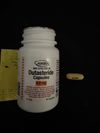
The user switched from finasteride to dutasteride to address temple hair loss and obtained generic oral minoxidil. They are questioning the legitimacy of Camber's dutasteride compared to other options.
A user is joining a clinical trial for Clascoterone, a drug approved for acne but being tested for hair loss. They previously tried finasteride with limited success and plan to share updates on their experience with the new treatment.
Clascoterone 5% solution showed a 539% improvement in hair count compared to placebo, but the actual increase in hair growth is minimal. Users express skepticism about the effectiveness of hair loss treatments.
The post expresses frustration over the unavailability of pure topical finasteride in India despite the developed pharma industry. The user seeks advice on making it at home and its effectiveness.
Amplifica has not provided updates on SCUBE3 and AMP-303, raising concerns about their trial outcomes. Users also mention other treatments like Minoxidil, finasteride, RU58841, PP405, and ET-03.
PP405 may damage hair follicles if used long-term, suggesting cycling might be necessary. Combining it with finasteride could help maintain hair growth.
The conversation is about someone's 13-month hair regrowth progress using 0.5 mg Dutasteride daily, 5% Minoxidil twice daily, Biotin tablets, and Sebizole shampoo. They are happy with the results.
The user has been using dutasteride, lymecycline, betamethasone, and minoxidil for hair loss but struggles with eczema and dry skin. They feel hopeless as no treatments or moisturizers have helped, and they are concerned about their appearance due to their soft facial features.
Choosing between KB and PG solutions for applying RU58841, considering factors like scalp oiliness and absorption. Some users prefer KB for being gentler, while others use PG and recommend washing hair before application for better results.
The conversation discusses a hair loss treatment involving oral minoxidil, topical finasteride, and a custom topical formulation with minoxidil, cetirizine, finasteride, progesterone, and hydrocortisone. The user seeks advice on the effectiveness of these ingredients for diffuse thinning.
Pelage plans to release phase 2 results and start phase 3 trials for PP405 in 2050, but skepticism remains due to past delays and unfulfilled promises. Users express frustration over the lack of progress in hair loss treatments, mentioning Minoxidil, finasteride, RU58841, CB-03-01, and Fluridil.
Eucapill 2% used for 1 month reduced shedding from 200 to 10/20 hairs daily with no side effects. Finasteride caused side effects like ED and watery semen.
The conversation discusses using a combination of DHT gel, dutasteride, pyrilutamide, and minoxidil to promote beard growth while minimizing hair loss. Users suggest consulting a doctor and considering genetic factors before proceeding.
A 27-year-old male is using a hair loss treatment regimen including topical minoxidil, oral finasteride, dermarolling, ketoconazole shampoo, and mesotherapy with dutasteride and vitamins. He is considering switching to oral dutasteride as recommended by his doctor and questions the necessity and cost of mesotherapy.
A user bought questionable RU58841 powder from AliExpress and seeks a way to test its composition in Europe. Another user suggests using Janoshik for testing.
The conversation humorously discusses using a full head wig for hair, beard, and perfect skin, with mentions of treatments like finasteride, RU58841, and microneedling. It highlights a shift from serious hair loss discussions to satire and memes.
A user is considering combining oral and topical dutasteride to lower scalp DHT more effectively and is seeking advice on this approach. They are thinking about doing a patch test on their mid scalp.
The user experienced severe scalp itching and hair loss while on dutasteride, which they linked to caffeine and masturbation. They plan to cut out both to see if their hair density improves.
The conversation discusses hair loss treatments, specifically using finasteride, minoxidil, and vitamin B5. Users share experiences and joke about the names of the medications.
The conversation discusses a medical service that provides prescriptions for a compounded hair loss treatment containing high concentrations of Minoxidil, Finasteride, and other ingredients. The user is seeking feedback on the service and inquiring about the cost and uniqueness of the compound cream.
PP405 is in phase 2 trials for hair loss, with discussions on its cost and effectiveness compared to minoxidil and finasteride. Users are skeptical about its efficacy and timeline, with hopes for market release by 2027.
The user is experimenting with a zinc sulfate and B6 topical solution called "Zix" for hair loss, alongside using a zinc oxide scalp mask and low-level laser therapy (LLLT). They report minimal hair loss after three months of use and are seeking feedback from others who have tried similar treatments.