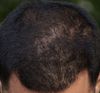
Hair loss discussion includes treatments like Minoxidil, Finasteride, and RU58841. Conversation highlights double standards with hair fibers and women's wigs/makeup/extensions/eyelashes.
Keratin microspheres may offer additional mechanisms to combat hair loss compared to minoxidil. The process to create these microspheres is relatively simple and can be done at home with basic equipment.
Lactobacillus reuteri 6475 is being used by a person who reports healthier hair after one month, despite initial shedding. The discussion includes speculation about its effects on gut bacteria and scalp inflammation.
The conversation discusses using a hair wax containing propolis and Eruca sativa seed oil for hair growth. It also mentions treatments like Minoxidil, finasteride, and RU58841.
The conversation discusses the correct method of microneedling for hair loss, questioning whether it should be done on areas with long hair without risking hair damage, and if it's necessary for improving blood flow to existing hair. No specific treatments were mentioned.
PP405 and GT20029 are new hair loss treatments with different mechanisms from traditional options like Minoxidil and Finasteride. PP405 targets hairfollicle stem cells to reactivate growth, while GT20029 works as an androgen receptor deleter, both requiring ongoing use for effectiveness.
The conversation discusses identifying permanent hair loss and includes treatments like microneedling and biotin vitamins. The user is unsure whether the reduction in wispy hairs is due to hair revitalization or loss.
Using dermaneedling or dermapen for hair loss while managing seborrheic dermatitis and dandruff. Treatments mentioned include ketoconazole, peppermint and jojoba oil, and rubbing alcohol.
Body hair transplants can be a last resort for hair loss, using body hair to fill scalp gaps, though it may not match scalp hair in texture or length. Minoxidil and finasteride are discussed as treatments, with varying effectiveness and side effects.
The user follows an intensive hair loss protocol including dutasteride, biotin, black tea, pumpkin seed oil, peppermint shampoo, rosemary conditioner, mukemame, soy milk, lycopene, garlic, magnesium, chamomile, spicy food, citrus bergamot, zinc, multivitamins, kefir, and Greek yogurt. They plan to alternate between pumpkin seed oil and safflower oil and will share before and after pictures.
PP405 and ABS-201 are promising treatments for male pattern baldness. PP405 shows rapid hair growth in human trials, while ABS-201 shows significant regrowth in animal studies but is still in early human trials.
A 30-year-old woman with a history of anemia and low vitamin D experienced hair shedding, which improved after addressing nutrient deficiencies. Despite regrowth of terminal hairs, her dermatologist recommended treatments like minoxidil and spironolactone to prevent future bald spots, but she is cautious due to family history of hormone-related cancers.
Hair follicles can potentially produce more hair strands with treatments like Minoxidil and finasteride. Notable improvements in hair density are possible, but achieving multiple strands per follicle is uncertain.
Hair cloning and injection of dermal papilla cells are discussed, with skepticism about their availability by 2023. Users mention Minoxidil, finasteride, and hair transplants as current treatments.
Hopeful treatments for hair loss, including Verteporfin, Androgen Receptor Degradation, and SCUBE3. These treatments offer potential solutions to slow or stop the effects of androgens on the scalp.
Hair follicles usually go dormant rather than die, and treatments like finasteride, minoxidil, and hormone therapy can sometimes reactivate them, though results vary. Complete regrowth is rare, especially in long-term bald areas, but some individuals see significant improvement with these treatments.
Hair loss treatments discussed include microneedling, minoxidil, tretinoin, finasteride, dutasteride, pumpkin seeds, saw palmetto, and scalp massage. The consensus is that finasteride or dutasteride is necessary for significant regrowth, while other methods may only slow hair loss.
A user shared their hair regrowth success using microneedling with a dermaroller every 6 days and minoxidil, recommending betadine (povidone-iodine) before microneedling to sterilize the scalp and enhance results. Another user noted the potential risks of iodine toxicity.
PP405 cannot restore extracted hair follicles after a transplant as they are removed, not dormant. Combining verteporphin with wounding and PP405 is suggested but not confirmed effective.
A user tried BeauTop (Primal Hair) for hair loss, alongside a topical blend of finasteride, rapamycin, and caffeine, and noticed positive results. They cannot confirm BeauTop is the sole reason for improvement and are curious about others' experiences.
The user is discussing hair regrowth after 3.5 months of using finasteride, questioning if the new growth is baby hairs. They compare photos from December to the present to assess progress.
The conversation discusses using peptides BPC-157 and TB-500, combined with microneedling, to potentially enhance hair regrowth. The user plans to try BPC-157 due to its lower cost and reports of hair growth, despite limited human trials and concerns about side effects from other treatments like minoxidil and finasteride.
User experienced severe allergic reactions and liver issues after a hair transplant, likely due to antibiotics and medications. Despite trying Minoxidil, the user faced further complications and is now seeking medical advice for potential future transplants.
A user with medium length hair and thinning at the top is using an adenosine-basedhair growth serum and seeking advice on whether to use a boar bristle or nylon bristle brush to stimulate hair growth. They are concerned about their sensitive scalp.
The user has been using minoxidil and finasteride for 8 months and is questioning if new baby hairs are growing. Opinions vary, with some suggesting the hairs are signs of regrowth and others suggesting delusion.
Minoxidil and finasteride are being considered for hair loss due to seborrheic dermatitis and male pattern baldness. The user is also using ketoconazole and zinc pyrithione shampoo.
A user experienced hair thinning due to traction alopecia from using Murray's Beeswax and is considering treatments like minoxidil and finasteride to reverse the damage. Another user suggests consulting a hair specialist, as the hair may not regrow if scar tissue has formed.
A user who experienced hair loss and stopped finasteride 4.5 years ago is considering restarting treatment with finasteride and oral minoxidil, questioning if their hair follicles are still recoverable. Responses suggest that hair follicles may not die and can potentially be revived even after many years, with some users sharing personal success stories using treatments like minoxidil, finasteride, microneedling, and RU58841.