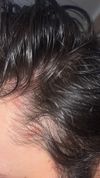
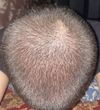
Noticeable hair regrowth occurred after two months of using minoxidil and starting finasteride. Users suggested continuing the treatment and considering microneedling for better results.
The user is hesitant to start a hair loss treatment regimen with Finasteride, Minoxidil, a derma stamp, and Nizoral shampoo due to concerns about potential side effects, despite being motivated by success stories. They seek advice from others who have faced similar dilemmas or have started treatment despite initial fears.
A 17-year-old is experiencing hair thinning and is using minoxidil, ketoconazole shampoo, saw palmetto, and pumpkin seed oil. They are considering starting finasteride but are concerned about its effects on development and are seeking advice on whether to proceed with finasteride or switch to oral minoxidil.
The user is using dutasteride, oral minoxidil, and a topical compound with minoxidil, latanoprost, finasteride, and biotin. They are considering stopping the topical minoxidil due to lack of noticeable results on the head but are concerned about potential hair loss or shedding.
The user experienced significant hair regrowth after nearly 7 months using 1mg finasteride daily and 5% minoxidil twice daily. They are considering adding microneedling to enhance results and are pleased with the progress so far.
An 18-year-old noticed hair thinning at 17, started finasteride 5 months ago, and saw shedding stop but no regrowth. They suspect male pattern baldness due to family history and are concerned about thinning on the back and sides, possibly due to inflammation.
Finasteride and minoxidil are discussed as hair loss treatments, with warnings about minoxidil's toxicity to cats. Suggestions include hair transplants, dutasteride, and humorous alternatives like red light therapy and rosemary oil.
A 32-year-old had a hair transplant in Istanbul for 2500€, using 2800-3000 grafts, and is not using finasteride or other medications long-term. The user is satisfied with the results but acknowledges the possibility of needing another transplant in the future.
The user is pleased with their hair improvement after 18 months using 1mg oral Finasteride daily and 5% topical Minoxidil spray twice daily. They are happy with the results despite some greying and are not considering a hair transplant.
Ketoconazole shampoo helps with dandruff and may support hair health, but users report mixed results for hair regrowth. Some users find better results with separate prescriptions of minoxidil and finasteride rather than using Hims' combined chews.
A 25-year-old male experienced hair regrowth after switching from topical minoxidil to a combination of topical minoxidil and oral finasteride, along with microneedling and multivitamins. He reported no significant side effects from finasteride, except mild discomfort, and emphasized the effectiveness of oral finasteride over topical solutions.
The conversation humorously discusses the lack of representation for balding men in media, with some users suggesting haircuts for receding hairlines and joking about treatments like finasteride and dutasteride. It highlights the irony of using models with perfect hair to advertise hair loss solutions.
A 21-year-old male used low-dose 5% topical Minoxidil inconsistently for four months, resulting in stopped hair shedding and improved hair density, though the hairline remained unchanged. Users discussed the potential use of finasteride and other treatments, with some suggesting consulting a dermatologist for further advice.
The hair transplant at Eugenix in New Delhi resulted in poor density and texture, with only about 2,500 grafts surviving out of 4,500. The user is considering holding the clinic accountable and exploring options like shaving, using hair fibers, or seeking another transplant.
Blocking DHT is not a complete solution for hair loss; instead, altering the scalp's response to DHT may be more effective. Topical finasteride and minoxidil are current treatments, but future approaches may involve bioengineering, gene therapy, and inflammation control.
Caffeine use after dermarolling is debated, with some users reporting positive effects on hair shedding and growth. One user recommends caffeine for reducing hair shedding and enhancing hair growth, while another is skeptical of its benefits.
The user is experiencing less hair shedding and new hair growth after 57 days on finasteride 1mg and using a derma stamp. They are advised to use ketoconazole shampoo for scalp greasiness and consider adding minoxidil for better results.
The user is experiencing hair loss and has started using Minoxidil. They are advised to continue with Minoxidil, consider adding finasteride, and ignore unproven treatments despite negative comments from family.
The user is experiencing hair thinning and brittleness, possibly due to Telogen Effluvium, which affects body hair and may be linked to stress or nutrition. They are considering using finasteride for treatment but are unsure if it will address their symptoms.
The user compared microneedling with a stamp versus a pen, finding the Dr. Pen more effective and easier to use than the Bioneedle stamp. They also mentioned using oral minoxidil for hair loss treatment.
Dutasteride isn't effectively reducing DHT levels, prompting a switch back to finasteride. The user questions the reliability of their DHT test results due to hair loss concerns.
The conversation is about a user's hair regrowth progress using topical minoxidil, with plans to start finasteride. The user also takes Vitamin D and washes their hair 2-3 times a week.
Minoxidil helps hair growth by increasing blood flow and prolonging the growth phase, but it doesn't address the root cause of hair loss, such as DHT sensitivity. Finasteride can help maintain some gains by blocking DHT, but stopping Minoxidil often leads to hair loss because the new hairs are dependent on it.
A 28-year-old underwent three hair transplants totaling 11,102 grafts at Eugenix, using finasteride and minoxidil to manage advanced hair loss. Despite limited density, the results are satisfactory, allowing the individual to feel presentable without a hat.
The user is considering stopping RU58841 due to inconvenience and potential side effects, while continuing with oral minoxidil and dutasteride. Another user shared their experience of stopping RU58841 without significant hair shedding while on dutasteride and minoxidil.
The user shared their one-year progress using finasteride, minoxidil, a dermastamp, and ketoconazole shampoo, noting stabilization but challenging regrowth in the temples. Another user discussed using a 1.5mm dermastamp daily with minoxidil for better results, but concerns about scarring were raised.
A 21-year-old shared impressive hair regrowth results after nearly three years using 1mg finasteride and 2.5mg oral minoxidil daily. The user experienced shedding periods but reported no side effects, and the transformation was praised by many.
The user aims to achieve a hypertrichosis look and has used topical Minoxidil for 20 years, now trying oral Minoxidil in a low dose. They seek alternatives to Minoxidil to avoid side effects.
The user is experiencing significant hair regrowth after 2.5 months using 1mg oral finasteride, 2.5mg oral minoxidil, 5% topical minoxidil, biotin, vitamin D3, fish oil, and weekly microneedling with a 1mm roller. They are considering switching to a derma stamp and are pleased with the results, despite some concerns about using both oral and topical minoxidil together.
The conversation discusses using higher doses of minoxidil and finasteride, considering dutasteride, and exploring other treatments like RU58841 for hair preservation. The user reports no side effects after six months and is interested in advanced treatment combinations.