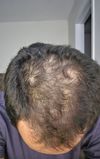
User hides baldness with side hair growth, others suggest it looks good but may not work in all conditions. Some recommend starting treatment or considering a hair transplant.
A 22-year-old is planning a hair transplant for the end of 2027 and is currently using finasteride, switching to dutasteride soon, and taking oral minoxidil to stabilize hair loss. They are seeking advice on candidacy and the number of grafts needed.
The conversation discusses a hair loss treatment involving a hair transplant of approximately 2500 grafts to the frontal area, daily use of finasteride, twice-daily topical minoxidil, and daily caffeine shampoo since the hair transplant procedure. One person is skeptical about the improvement in the crown area with just finasteride and minoxidil.
User experienced hair loss after weight lifting, had a successful hair transplant, but later faced significant thinning. Current treatment includes finasteride, minoxidil, dermal rolling, and supplements.
A user's transformation due to their efforts in fighting hair loss, which was achieved without a hair transplant; the discussion includes advice about treatments such as minoxidil and finasteride.
The conclusion of this conversation is that the user, NickkSpirit, had a successful hair transplant with 1500 grafts. They recommend leading a healthy lifestyle and mention using finasteride and minoxidil as treatments for hair loss.
A 42-year-old had 2,100 grafts transplanted to the frontal third of the scalp, using treatments like Dutasteride, oral Minoxidil, ketoconazole shampoo, dermarolling, and PRP. They plan to add RU58841 and have scheduled SMP to improve cosmetic results.
The user is 10 days post-hair transplant, pleased with the results so far, and hopes for increased density. The procedure was done at Vanity Hospital in Istanbul, with around 3400-3750 grafts used.
The user shared progress on hair restoration using dutasteride, oral minoxidil, and 2800 grafts, noting significant improvement in hair thickness and coverage. They discussed the importance of continuing DHT blockers like finasteride or dutasteride post-transplant to prevent further hair thinning.
User decided to get hair transplant and is happy with results. Others compliment the change and suggest hair loss concealers or SMP for further improvement.
A 35-year-old male has been using finasteride for 2.5 years but still finds his hair loss unsatisfactory and is considering a hair transplant. He is seeking advice on the number of grafts needed and affordable options in Canada.
A user shared their hair loss journey, detailing two hair transplants and various treatments including finasteride, minoxidil, PRP, and exosomes. They found success with a regimen of topical dutasteride, minoxidil, derma stamping, and caffeine shampoo, leading to improved hair growth and satisfaction.
A 27-year-old shared progress pictures 4 months after a hair transplant, expressing satisfaction with the results and improved self-esteem. They have been using finasteride for nearly a year and minoxidil for 3 months, with significant reduction in hair loss.
A user discussing their hair transplant progress at 8 months, expressing concern about lack of growth in the front. They're currently using Minoxidil and dutasteride, and considering microneedling. The responses suggest waiting for full growth, which can take up to 13-14 months.
A user's results after 10 months of hair transplant surgery, which they had been taking care of with 0.5mg/day finasteride, 1x daily minoxidil and 1.5 times weekly microneedling treatments. One other user replied positively to the post.
A hair transplant of 3361 grafts, 11.5 months after the procedure, that resulted in a very natural looking NW1 hairline; the person who underwent this procedure has not experienced any hair loss and is expecting to have no future hairloss either.
The user is pleased with their hair transplant results but is concerned about the vertex area. They use Minoxidil and finasteride daily and had the procedure at a clinic in Athens.
A user's experiences with hair loss treatments, including finasteride and hair transplants, in relation to another person who has been publicly vocal about their own hair loss struggles. People have shared opinions on this other person's treatment choices and the results of their hair transplant.
Rob Holding's hair transplant, which looks great despite the edited image of it; many respondents discussed their opinions on the hairstyle, while others suggested treatment options like Minoxidil and Finasteride.
User tried topical finasteride mixed with minoxidil, Nizoral shampoo, oral minoxidil, and FUE hair transplant for hair loss. User asks when it's safe to trim hair after transplant and considers trying RU58841 or pyrilutamide.
A 28-year-old man had a hair transplant in India, choosing not to start finasteride due to past side effects with other medications but will use minoxidil for six months post-surgery. He researched and selected a clinic in Mumbai with a high reputation, underwent a 9-hour procedure for $965, and is optimistic about the results.
The user is happy with their 6-month hair transplant progress of 4600 grafts in Turkey and has been using finasteride for 5 years and minoxidil for 4 years. The donor area is in good condition, potentially allowing for future hair reinforcement.
The user is exploring alternatives to hair transplants due to a weak donor area and is currently using finasteride, minoxidil, dermapen, low-level laser therapy, Nizoral shampoo, and a high-protein diet. They plan to switch to dutasteride and consider adding RU58841, while rejecting hair systems and considering a buzz cut.
A user shared their experience with hair loss and a hair transplant at the Scandinavian Hair Institute, using finasteride every other day as part of their regimen. They expressed satisfaction with the transplant results and decided against using minoxidil due to its inconvenience and potential side effects.
A 27-year-old is considering a hair transplant after unsuccessful minoxidil and dermarolling use, but is hesitant about finasteride due to potential side effects. Users advise trying finasteride or dutasteride to prevent further hair loss and suggest that a transplant won't stop balding without medication.
A 22-year-old's experience with receiving a hair transplant and the use of Minoxidil, finasteride, RU58841, Lidocaine shots, and platelet injections to treat hair loss.
A 7-month update from Markoj44 regarding their hair transplant results, which includes the use of topical finasteride and minoxidil in combination with Viviscal, biotin, Nizoral shampoo, and donor area photos. People responded positively to the post.
A user shared their hair transplant journey, showing progress from February 2021 to May/June 2024. They now use finasteride, minoxidil, biotin, and Nizoral shampoo, and are happy with the results.
The user experienced significant hair regrowth and improved hair volume after 4 months of using oral dutasteride (0.5 mg) and minoxidil (2.5 mg) daily, eliminating the need for a second hair transplant. The user is now satisfied with the results and feels more confident.