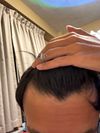
A user reports experiencing insomnia as a side effect of taking finasteride for hair loss, which takes 1 to 2 hours to fall asleep and results in only about 5 hours of sleep per night. They suspect the cause is related to the downregulation of neurosteroids due to finasteride.
Discouragement regarding Pyrilutamide, a drug in development for hair loss, and the potential side effects of Finasteride. People discussed anecdotal experiences with Pyrilutamide as well as suggestions to wait out Phase 3 trials before making any conclusions.
A 33-year-old man experienced diffuse thinning and hair shedding due to sleep deprivation and low testosterone. After starting hCG treatment, he noticed hair regrowth on his temples.
A 21-year-old male experienced side effects from topical finasteride and is seeking alternative treatments to maintain hair until Breezula is available. He is considering using minoxidil, Nizoral, micro-needling, and vitamin D supplementation, and may try CB or RU58841 if necessary.
The conversation concludes that finasteride, a 5α-Reductase inhibitor used for hair loss, does not impair cognition either short-term or long-term. It suggests "brain fog" is not caused by the medication.
A user is 8 months into treating hair loss with finasteride, minoxidil, ketoconazole, and pyrilutamide, but feels their condition is worsening. They are considering increasing their finasteride dosage due to aggressive hair loss and are experiencing scalp itchiness.
User Basic_Football999 discusses concerns about negative dutasteride experiences. Replies suggest dutasteride is effective, but some users may have issues with dosing frequency or genetic factors affecting results.
Justin Bieber's hair loss and his choice not to use finasteride or other treatments like rectal injection are discussed, with reasons speculated to be side effects or lack of concern. The conversation also mentions his past hair transplant and suggests his wealth and fame might make appearance less of a priority.
A user is using topical finasteride, keto shampoo, microneedling, and tretinoin for hair loss and is considering adding pyrilutamide. They notice some improvement at the temples and seek advice on whether to focus on cosmetic results despite daily shedding.
The user visited three dermatologists for hair loss treatment and was disappointed with their lack of thorough examination and discussion. Treatments prescribed included minoxidil, finasteride, multivitamins, ketoconazole shampoo, vitamin D3, and biotin, but the user was dissatisfied with the approach and lack of consideration for newer treatments.
The conversation is about a person sharing before and after pictures of their hair loss treatment, which includes Minoxidil, Finasteride, and Dutasteride. They discuss their own hair loss, particularly the recession of their temporal points.
Finasteride can cause side effects like erectile dysfunction and decreased libido, possibly due to increased estradiol from testosterone aromatization, especially in those with higher body fat. Side effects vary widely and may also be influenced by genetic factors or neurosteroid inhibition.
The conversation is about the potential format of Breezula, a hair loss treatment, and concerns that it might be greasy or sticky. Specific treatments mentioned are Minoxidil, finasteride, and RU58841.
Finasteride and minoxidil are recommended for hair loss treatment, with stress-reducing activities like meditation and yoga suggested to enhance results. Dutasteride is avoided by some due to concerns, and mental health is emphasized as crucial in the treatment process.
Buzzing or shaving your head can boost confidence and save money on hair loss treatments. Some prefer treatments like finasteride and minoxidil to maintain their hair.
A new light therapy claims to reduce hair loss markers by 92% using a specific wavelength range. Users discuss the cost and effectiveness of devices, with some expressing skepticism and others considering alternative treatments like red light therapy and vitamin D exposure.
A 28-year-old male is experiencing hairline recession despite his family having full heads of hair. Suggested treatments include finasteride, minoxidil, and ketoconazole 2% shampoo.
The user feels treated better with a comb-over than when bald due to cancer. They are considering a hair transplant and using finasteride and minoxidil for hair loss.
A 20-year-old is experiencing hair loss and has tried oral and topical minoxidil, finasteride, and is considering dutasteride and a hair transplant. They feel frustrated and hopeless due to the lack of results and its effect on their mental health.
The user plans to pause finasteride for two months to test its effects on mood and productivity, then switch to Pyrilutamide while monitoring hormone levels. Concerns are raised about potential hair loss and the effectiveness of Pyrilutamide compared to finasteride.
Some people avoid finasteride due to side effects but engage in unhealthy habits. Minoxidil and finasteride are common hair loss treatments, with varied side effect experiences.
Finasteride is likely causing beard thinning due to its anti-androgen effects, which reduce DHT levels necessary for thick facial hair. Some users suggest using minoxidil to potentially counteract this effect, while others note that stopping finasteride may allow the beard to regrow.
Switching from finasteride to dutasteride worsened hair loss and caused a burning sensation. Users suggest sticking with finasteride, using ketoconazole shampoo, and consulting a dermatologist.
A 19-year-old with diffuse hair thinning and erectile dysfunction is considering starting Propecia (finasteride) while already using a minoxidil solution with anti-androgens. Concerns are raised about the psychological nature of erectile dysfunction and the potential systemic effects of anti-androgens, with suggestions to address porn addiction and consult a doctor about hormone therapy.
A user experienced chest discomfort after taking finasteride for hair loss and is concerned about whether it is a side effect or an allergy. They are advised to consult a doctor and consider other hair loss treatments if necessary.
Tretinoin can irritate seborrheic dermatitis, but using it with a moisturizer on calm skin may help. Parallel Health's skin microbiome testing and phage therapy are suggested for persistent issues.