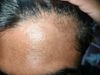
The conversation discusses post-hair transplant care, specifically about removing scabs gently after a week, using Vitamin E oil. The user wonders if using harsher methods like steel wool would affect results, but others reassure that if there was no pain or bleeding, it's likely fine.
Hair loss is distressing, with treatments like finasteride, minoxidil, and spironolactone commonly used despite potential side effects. Emphasis is placed on maintaining mental health and self-worth beyond hair appearance.
A 19-year-old male has been using topical finasteride and minoxidil for 8 months with no progress and is considering seeking a second opinion due to potential misdiagnosis. The discussion revolves around whether the hair loss is due to male pattern baldness, alopecia areata, or a vitamin deficiency.
Ramsko1's experience with a hair loss regimen of oral minoxidil, dutasteride, ketoconazole cream, and dermarolling, which they started after considering taking their own life due to hair loss. Other users replied to offer support and ask questions about specific treatments.
A 12-year-old diagnosed with alopecia shares their experience and current treatments, including Dermovate, an unnamed cream, and liquid iron. The community offers support and encouragement.
The conversation discusses hair loss treatments, focusing on finasteride, minoxidil, and other options like PRP and ketoconazole. It highlights the importance of asking specific questions during a dermatology visit to determine the cause of hair loss and appropriate treatments.
Using liposomal solutions with dutasteride, minoxidil, and tretinoin worsened hair loss due to buildup and scalp issues. Consulting a professional and returning to simpler treatments like finasteride and minoxidil improved the situation.
The conversation discusses a study comparing microneedling combined with minoxidil versus biotin/panthenol for hair loss. Results suggest biotin/panthenol may be superior to minoxidil, though the sample size was small.
Clascoterone is being discussed for hair loss, but its current acne formulation may not be suitable for scalp use due to potential skin irritation and lower dosage compared to Breezula. Users mention other treatments like finasteride, minoxidil, and pyrilutamide, with some expressing skepticism about clascoterone's effectiveness for hair loss.
A user describes using a Dermastamp for microneedling their scalp, noting a crunching sound when pressing it firmly. Another user suggests the crunching might be from breaking up scalp calcification.
The "DHT itch" is real and likely due to inflammation at the hair follicle, exacerbated by increased testosterone or androgens. Treatments mentioned include dutasteride, minoxidil, finasteride, and various topical solutions.
The user underwent a biopsy two years ago and was diagnosed with keratosis pilaris, leading to hair issues. They tried treatments including Minoxidil, betamethasone, lymecycline, topical Accutane, and dutasteride, as well as diet changes, without improvement in hair thickness or skin dryness.
The conversation discusses the use of low-dose oral minoxidil for hair loss and its potential effects on skin aging. Users shared experiences, with some noting side effects like puffy eyelids and dark circles, but no conclusive evidence of significant collagen depletion or increased wrinkles.
A user is exploring Kadeso, a product with Capilia Longa™ for hair regrowth, and seeks real-world experiences, comparing it to Minoxidil and Finasteride. They are interested in results, timeframe, side effects, and the credibility of the product's founder.
A 78-year-old man regrew hair after suffering burns, suggesting that injury-induced healing processes might trigger hair growth. Microneedling and other treatments like minoxidil and finasteride are discussed as potential methods to stimulate similar regrowth.
The user started using minoxidil foam daily after two years on finasteride and is managing seborrheic dermatitis with antifungal shampoo. They seek advice on moisturizing products that won't worsen their condition, with suggestions including gentle shampoos and light ceramide serums.
Derma rollers may cause scarring alopecia, leading some to prefer dermastamps or dermapens for microneedling. Combining minoxidil with microneedling is effective, but proper technique and healing time are essential to prevent damage.
Minoxidil can cause dark, puffy undereyes. Users suggest using caffeine serum, retinol moisturizer, and Remescar eye bags cream to counteract this effect.
The conversation is about a person struggling with hair loss and feeling frustrated comparing themselves to friends with thick hair. They started taking 1 mg Finasteride a month ago to address the hair loss.
Hair loss impacts mental health and should be covered by healthcare, with treatments like finasteride, dutasteride, and minoxidil being affordable and effective. Some argue hair loss is cosmetic and shouldn't be funded, while others highlight its broader health implications.
The conversation discusses coping with hair loss and the emotional impact of balding, with some users finding peace in shaving their heads. Treatments mentioned include minoxidil, finasteride, and lifestyle changes like diet and exercise.
The conversation discusses the removal of Breezula phase II 12-month results by Cassiopea and the search for the original data. Concerns were raised about potential negative long-term effects on hair growth, such as androgen receptor upregulation.
The user experiences scalp inflammation, especially when oily, despite using treatments like dutasteride, oral minoxidil, RU58841, and nizoral. They recently started cetirizine and are considering benzoyl peroxide wash for relief.
Dihydrotestosterone (DHT) impacts various skin conditions, including Androgenetic alopecia and seborrheic dermatitis, by causing overactivity in sebaceous glands. Topical medications Tacrolimus and Clobetasol can reduce these inflammatory conditions, and treatments like RU58841, Minoxidil, and Finasteride may also be beneficial.
Silk pillowcases reduce hair breakage and shedding by causing less friction, making hair appear healthier. They don't prevent hair loss but improve hair condition and comfort.
User considers scalp micropigmentation (SMP) for hair loss. Mixed opinions shared; some regret it, others satisfied. Choosing reputable clinic and technician is important.
The conversation discusses hair loss treatments for a woman experiencing androgenetic alopecia and seborrheic dermatitis, with suggestions including low-dose oral minoxidil, dutasteride, and hormone replacement therapy. The user is seeking advice due to intolerance to spironolactone and topical minoxidil, and concerns about low testosterone and DHT levels.
Latanoprost is discussed as a potential hair loss treatment, noted for its synergy with minoxidil and 5-AR inhibitors, but concerns include its effectiveness on scalp hair, cost, and potential skin darkening. Some users express interest in trying latanoprost or bimatoprost despite limited real-world evidence.