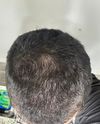
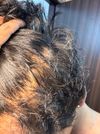
Hair loss treatments include Finasteride, Minoxidil, Ketoconazole shampoo, and Microneedling. Additional options are Dutasteride, oral Minoxidil, and hair transplants.
The conversation is a guide on treating hair loss, discussing finasteride and dutasteride to lower DHT, minoxidil for growth, ketoconazole shampoo for scalp health, and dermarolling for regeneration. RU58841 is mentioned as a DHT blocker but not recommended due to safety concerns.
For hair loss, start with Finasteride, Minoxidil, Ketoconazole shampoo, and Microneedling. For severe cases, consider Dutasteride, oral Minoxidil, or hair transplants.
The conversation discusses a hair loss treatment regimen involving finasteride, dutasteride, spironolactone, bicalutamide, oral estradiol, microneedling, and minoxidil. The regimen aims to reduce androgenic alopecia by blocking DHT and androgens, with a caution about potential feminizing effects.
The conversation discusses concerns about potential hair thinning over two years, with suggestions to monitor changes and consider treatments like Minoxidil and finasteride if needed. The user is advised to refer to a beginner'sguide for more information.
A 29-year-old considering hair loss treatment received advice to explore a theory on androgenic/anabolic balance and was encouraged to read a beginner'sguide for better recovery chances. The user expressed gratitude and willingness to try the suggested approach.
Microneedling for hair loss, with concerns about cost and conflicting information on protocols. The user is unsure about purchasing and reusing microneedling stampers.
The conversation discusses androgenic alopecia (AGA) and its treatments, focusing on finasteride, minoxidil, and ketoconazole shampoo. Finasteride is recommended as essential for preventing further hair loss.
A straightforward hair loss treatment involves using Minoxidil twice daily, microneedling weekly, and using silicone-free shampoo. Shaving the head can simplify the routine, and consistency is crucial for effectiveness.
A 19-year-old seeking advice on hair loss treatment is considering options like Minoxidil, finasteride, and RU58841. They are looking for guidance to potentially revive their hair.
Creating custom topical treatments for hair loss using minoxidil, finasteride, and RU58841. It includes recipes and instructions for home preparation, focusing on cost savings and customization.
A 43-year-old male seeks advice on hair regrowth options, considering treatments like Minoxidil, finasteride, and RU58841, or possibly a hair transplant. He has low testosterone and a family history of balding.
A 17-year-old is experiencing rapid hair loss over two weeks and is advised that treatments like minoxidil and finasteride can help. It's noted that lighting and angles can affect the appearance of hair loss, and a guide is recommended for further advice.
A user is seeking advice on using a spray containing 0.3% finasteride and 6% minoxidil for hair loss. Another user suggests applying it in the morning to avoid transferring it to pillows and recommends reading a guide for microneedling advice.
A 20-year-old male switched from MorrF5 to Zeelab’s MinoxilF, both containing minoxidil 5% and finasteride 0.1%, and is experiencing unexpected hair shedding. He is seeking guidance on whether the shedding is due to the brand change or if it's a normal reaction.
A 22-year-old is using minoxidil for hair loss but is hesitant to start finasteride due to mixed advice and fear of side effects. They seek guidance on whether to begin finasteride despite concerns about potential permanent side effects.
A 19-year-old is considering starting Minoxidil to address a receding hairline and is seeking advice on whether to use it before getting a prescription for finasteride or dinastride. They plan to consult a doctor, either a dermatologist or a regular physician, for further guidance.
The conversation is about finding the best conditioner for hair loss, with a mention that Ketoconazole shampoo is recommended for reversing hair loss. Users suggest that most "hair growth" conditioners are ineffective and discuss using anti-dandruff conditioners with piroctone olamine.
The conversation is about skepticism towards a hair growth oil promoted by a social media influencer, with users suggesting it is ineffective without proven treatments like Minoxidil, finasteride, or hair transplants. The product contains various oils and extracts, but users doubt its effectiveness.
The conversation is about dealing with hair shedding due to seborrheic dermatitis and recent illness. Recommendations include treating seborrheic dermatitis with ketoconazole, correcting vitamin D deficiency, and improving sleep.
A 20-year-old male from the UK is experiencing hair thinning and seeks advice on using Minoxidil, finasteride, and RU58841, asking about their monthly costs and where to purchase them.
A 34-year-old male seeks advice to restore thick, curly hair. Recommendations include using finasteride or dutasteride to control DHT, minoxidil for regrowth, ketoconazole shampoo, and microneedling, with patience for results.
An 18-year-old experiencing rapid hair loss is advised to use Minoxidil and finasteride to regrow hair and prevent further loss. Patience is recommended as these treatments take time to show results.
The user is considering switching from finasteride to oral dutasteride due to side effects and lack of regrowth. They are unable to access topical dutasteride and are seeking advice on whether to proceed with oral dutasteride.
The conversation discusses using RU58841 for hair loss, with OP experiencing thinning in the front area and steady hair loss. OP plans to try microneedling while avoiding finasteride and dutasteride.
The user has been using finasteride for over three years, which initially stopped balding and caused regrowth, but recently noticed hairline recession. They started using topical minoxidil two months ago and are considering switching to oral minoxidil and possibly dutasteride.
Minoxidil helps regrow hair, while finasteride prevents hair loss. It's common to use both for androgenetic alopecia; consult your doctor if unsure about the treatment plan.
A 38-year-old male is experiencing temple hair loss and is considering treatments like topical Finasteride and Minoxidil, despite concerns about side effects and shedding. He is also contemplating a hair transplant and seeking advice on additional shampoos or supplements.