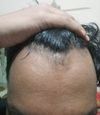
The user feels treated better with a comb-over than when bald due to cancer. They are considering a hair transplant and using finasteride and minoxidil for hair loss.
A vegetarian with IBS is considering reintroducing fish to improve gut and hair health due to protein concerns. Suggestions include adding tofu, avoiding vegan protein shakes, and considering a more carb/fat dominant diet.
AH-001 is a new topical treatment designed to degrade androgen receptors, targeting the root cause of androgenetic alopecia without the side effects of oral treatments like finasteride. It has shown a strong safety profile and good local tolerability in early trials.
A young female diagnosed with Lichen planopilaris (LPP) experienced years of misdiagnosis and ineffective treatments, including a hair transplant and other procedures. She is considering litigation due to the misdiagnosis and has learned that LPP is chronic, hair loss can be stopped with ongoing medication, but lost hair cannot regrow.
The user has been using oral finasteride for 15 months and oral minoxidil for 6 months, and developed alopecia areata, for which a dermatologist prescribed calcipotriol/betamethasone. The treatment is helping, but the user is experiencing another shedding phase and is concerned about the effects of the steroid cream and the cause of hair loss.
Loose-Message9596 has been experiencing hair loss for 3-4 years, initially due to low ferritin and vitamin D levels, and has tried treatments like vitamins, System 4, and PRP therapy. They are considering starting finasteride and minoxidil but are unsure due to their relatively low DHT level of 425.
Hair loss can cause psychological distress, but maintaining optimism and self-improvement is crucial. Treatments like minoxidil, finasteride, and potential new options like clascoterone offer hope, though side effects can occur.
PP405 is a potential hair loss treatment that inhibits mitochondrial pyruvate carriers, increasing lactate dehydrogenase activity and stimulating hair follicle stem cells. In a phase 1 trial, 31% of participants showed over 20% hair density increase with PP405 treatment.
Clascoterone in Winlevi, a topical AR antagonist, is being re-examined due to concerns about HPA axis suppression in adolescents, but it's unlikely to be banned for adult use in androgenetic alopecia (AGA). The European Medicines Agency recommended refusing Winlevi for acne vulgaris, but this may not affect Breezula's approval for AGA.
A user with diffuse hair loss for a decade tried various treatments, including LLLT Helmet, supplements, topicals, and hair transplants. They found relief from scalp inflammation and itching using a topical solution made from crushed Xeljanz pills mixed with ethyl alcohol.
Sulfur soap may help with hair thickening and reducing scalp inflammation, but it can cause dryness. Nizoral, containing ketoconazole, is noted for its potential to reduce seborrheic dermatitis but may also cause scalp dryness and hair loss.
A teenager experiencing hair loss is using minoxidil, a derma roller, and plans to add ketoconazole shampoo to their routine. They are advised to continue this regimen consistently for at least six months to see results, with the shedding being a normal part of the process.
A 22-year-old male experiencing hair thinning and loss, possibly due to seborrheic dermatitis or low vitamin D, is cautious about using minoxidil or finasteride due to heart palpitations and high blood pressure. Suggestions include using ketoconazole shampoo to control inflammation and focusing on treating the dermatitis first.
Buzzing hair can improve mental health and make applying treatments like Minoxidil and microneedling easier. It helps with self-acceptance and reduces the impact of hair loss on appearance.
Visible hair improvement after 10 weeks using minoxidil, estradiol enanthate, acetophenide algestone, and bicalutamide. The user is a 25-year-old male with reduced testosterone levels, expressing a preference for less masculinity.
PP405 is being discussed as a potential new approach to hair loss by targeting follicle stem cells, suggesting a different mechanism from existing treatments like finasteride and minoxidil. However, there is skepticism about whether it will lead to meaningful long-term outcomes or follow the pattern of previous treatments that showed promise but lacked consistent results.
ShaneMorcs shared updated hair comparison photos and believes he's made progress. People commented on his improvement, asked about potential side effects, and inquired about the treatments he's using.
A 20-year-old male experienced early hair thinning due to male pattern baldness and successfully thickened his hair using oral finasteride and topical minoxidil. The conversation highlights the importance of early action and overcoming fear of medication side effects.
Finasteride's effectiveness and side effects may vary based on male phenotypes, with some users noting differences in response related to body and facial hair characteristics. Some users report success with lower doses, while others experience side effects, suggesting individual variability in response to the treatment.
Cosmo Pharmaceuticals has enrolled about 850 out of 1400 patients for their phase 3 clinical trials of clascoterone (Breezula) and claims to be on schedule. The conversation is about hair loss treatments.
The user is experiencing a significant hair shed at 10 months but sees improvement compared to 4 months ago. They are using Hims products, Feel Confident shampoo, Nizoral, a light therapy cap, and The Ordinary hair serum.
PP405 may damage hair follicles if used long-term, suggesting cycling might be necessary. Combining it with finasteride could help maintain hair growth.
The conversation is about comparing the effectiveness of fluridil and clascoterone in preventing hair loss and inquiring about their use as standalone treatments. There is a question about the concentration of the fluridil brand for efficacy.
27-year-old female experiences aggressive hair thinning and hirsutism despite normal testosterone levels. Spironolactone and 2% minoxidil were ineffective; high DHEA sulfate levels may be the cause.
The conversation is a satirical discussion about a user joking that their dog is balding and needs hair loss treatments like finasteride, with others commenting on the creepiness of an AI-generated image of a dog with human features.
People making comments on others' hair loss, and the different strategies used to deal with it. Treatments mentioned include finasteride and minoxidil.
The user is experiencing increased hair shedding and is concerned about regression despite consistent use of finasteride, minoxidil, and other treatments. The consensus is that this is likely a temporary shedding phase, and adjustments to the dermarolling frequency are suggested.